
The findings open the door to host-directed therapies — treatments designed to strengthen a patient's immune system instead of attacking the fungus directly
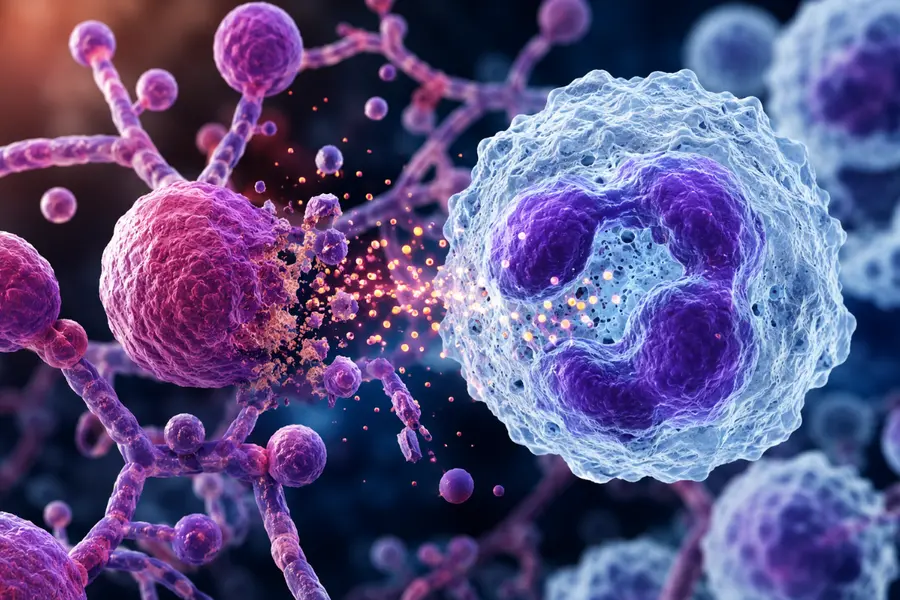
London: Scientists at the University of Sheffield have uncovered how the common fungus Candida albicans can effectively "blind" the body's immune system, a breakthrough that could pave the way for new treatments against deadly fungal infections and drug-resistant superbugs.
The study found that Candida albicans disables a crucial defence mechanism used by neutrophils — the body's frontline infection-fighting white blood cells. By suppressing the production of reactive nitrogen species (RNS), toxic molecules that normally destroy invading microbes, the fungus weakens the immune response and increases the severity of infection.
While Candida albicans is carried harmlessly by an estimated 40 to 60 per cent of healthy people, it can become life-threatening in individuals with weakened immune systems. Once it enters the bloodstream, it can cause invasive candidiasis, a serious fungal infection with mortality rates approaching 50 per cent.
Using zebrafish models and human immune cells, researchers discovered that restoring the suppressed immune response significantly improved survival from fungal infections, especially when combined with existing antifungal medicines.
The team also found that similar immune suppression occurs in other dangerous fungal pathogens, including the multidrug-resistant Candida auris, which, along with Candida albicans, has been classified by the World Health Organisation as a critical priority fungal pathogen.
According to the researchers, the more effectively a fungal strain suppressed neutrophil RNS production, the more severe the infection became, highlighting immune suppression as a key factor behind fungal virulence.
The findings open the door to host-directed therapies — treatments designed to strengthen a patient's immune system instead of attacking the fungus directly. Such approaches could become increasingly important as antifungal resistance continues to rise worldwide.
Dr. Philip Elks, Senior Lecturer at the University of Sheffield's School of Medicine and Population Health and Co-Director of the Bateson Centre for Disease Mechanisms, said: "Candida infection can be lethal for patients with compromised immune systems and the global increase in antifungal resistance along with limited treatment options is of immense concern.
"Although in its early stages, our findings indicate we could help patients fight off fungal infections by strengthening their immune systems, protecting vulnerable people from the deadly outcomes of fungal infections."
Researchers will now investigate exactly how Candida disables neutrophil function and whether therapies that restore RNS production can eventually be used alongside existing antifungal drugs in clinical settings.
Published: 09 Jul 2026, 02:04 am IST
Related Topics
Disclaimer: Kindly avoid objectionable, derogatory, unlawful and lewd comments, while responding to reports. Such comments are punishable under cyber laws. Please keep away from personal attacks. The opinions expressed here are the personal opinions of readers and not that of Mathrubhumi.
