
US Secretary of State Marco Rubio has warned that any attempt by Iran to charge tolls for passage through the Strait of Hormuz would create a dangerous global precedent, adding a new layer of tension to ongoing negotiations between Washington and Tehran.
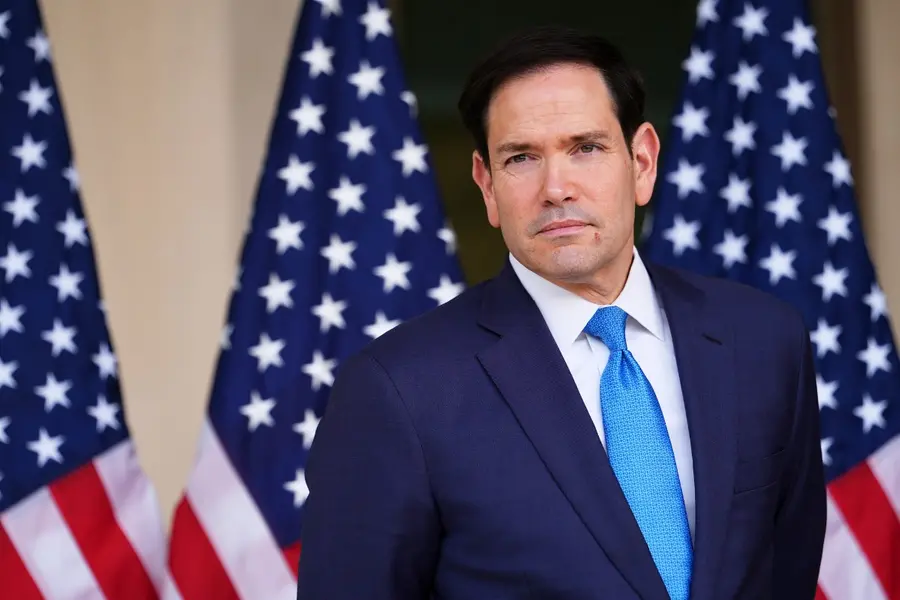
Washington DC: US Secretary of State Marco Rubio has criticised Iran's reported consideration of a tolling system for vessels passing through the Strait of Hormuz, arguing that such a move would set an unacceptable international precedent and complicate already delicate negotiations between the two countries.
Speaking on Thursday, Rubio stressed that the strategic waterway does not belong to any single nation and warned that allowing transit fees in one of the world's most important maritime chokepoints could encourage similar measures elsewhere. He said the consequences could spread beyond the Gulf region and affect international shipping routes around the world.
Also Read

The comments come as the United States continues negotiations with Iran over broader regional and security issues. While expressing hope for a positive outcome, Rubio said Washington was not seeking an agreement "at any price" and would ensure that any deal protects the interests of US allies and partners.
His remarks underscore the challenges facing ongoing diplomacy. Analysts note that public warnings over Hormuz access, coupled with continued disagreements over regional security arrangements, risk adding new friction to efforts aimed at reducing tensions between Washington and Tehran.
The Strait of Hormuz remains one of the world's most critical energy corridors, handling roughly one-fifth of global oil shipments. Any uncertainty surrounding access to the route is closely watched by governments, shipping firms and energy markets.
Despite Rubio's comments, oil markets showed little immediate reaction. US benchmark WTI crude traded near $69.50 per barrel, remaining close to levels seen before the recent escalation in Middle East tensions.
The latest exchange highlights how disagreements over strategic waterways and regional influence continue to complicate US-Iran relations, even as both sides publicly express interest in reaching a lasting diplomatic understanding.
Published: 25 Jun 2026, 01:55 pm IST
Related Topics
Disclaimer: Kindly avoid objectionable, derogatory, unlawful and lewd comments, while responding to reports. Such comments are punishable under cyber laws. Please keep away from personal attacks. The opinions expressed here are the personal opinions of readers and not that of Mathrubhumi.