
Shipping through the Strait of Hormuz is gradually increasing following Iran-US negotiations, though vessel traffic remains significantly below levels seen before the conflict.
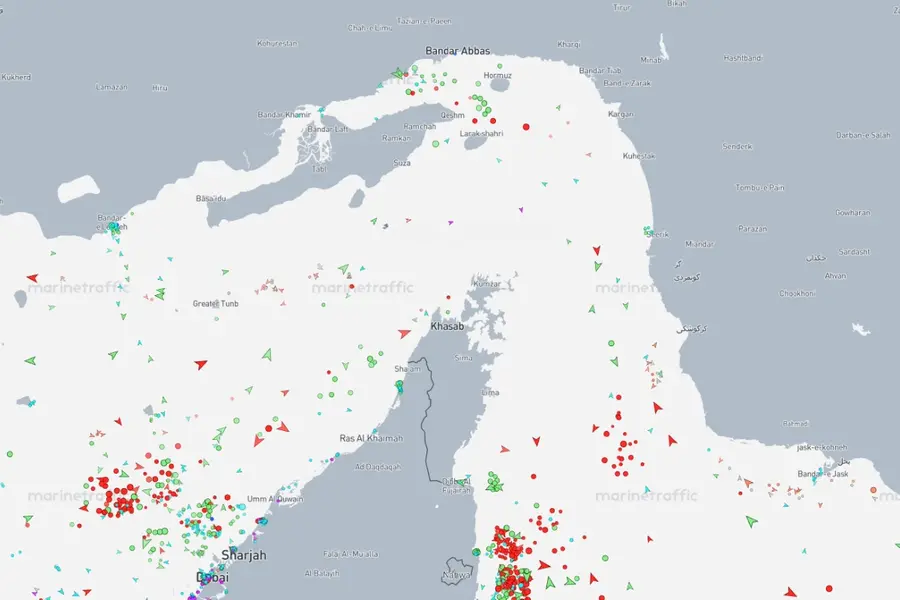
Tehran: Commercial shipping through the Strait of Hormuz is steadily recovering after recent Iran-US negotiations, but maritime traffic remains well below pre-war levels. The development comes as Washington and Tehran continue talks aimed at reducing tensions, reopening critical trade routes and preventing further regional escalation.
Strait of Hormuz traffic begins to recover
Also Read

According to maritime tracking data, vessel movement through the Strait of Hormuz has increased in recent days after Iran and the United States agreed to establish a direct communication channel aimed at preventing incidents in the strategically vital waterway.
At least two dozen commercial vessels reportedly transited the strait over a 24-hour period on Monday.
While this marks a noticeable improvement from the lowest levels recorded during the conflict, shipping remains significantly below normal activity.
Before the war, approximately 110 vessels crossed the strait daily on average, highlighting how far traffic still has to recover.
Why the Strait of Hormuz matters
The Strait of Hormuz is one of the world's most important maritime chokepoints.
Located between Iran and Oman, it serves as the primary route for a significant share of global oil and liquefied natural gas exports.
Any disruption to shipping through the narrow waterway can have immediate consequences for:
- Global energy supplies
- Oil prices
- Shipping costs
- International trade
- Financial markets
The conflict between Iran, Israel and the United States triggered major concerns among shipping companies, insurers and energy-importing nations.
Iran and US establish Hormuz hotline
One of the key outcomes of the recent Switzerland negotiations was an agreement to establish a hotline between Iran and the United States.
Iran's chief negotiator, Mohammad Bagher Ghalibaf, said the communication channel is intended to prevent misunderstandings and incidents involving commercial vessels passing through the strait.
The mechanism is expected to improve coordination and reduce the risk of accidental confrontations in one of the world's busiest shipping corridors.
Iran says Hormuz will be administered by Tehran
Following the talks, Ghalibaf declared that the Strait of Hormuz would never return to its pre-war status.
He said Iran would administer the strategic waterway while continuing to observe international regulations governing maritime navigation.
The remarks suggest Tehran intends to play a more direct role in managing security and shipping arrangements in the area after the conflict.
However, details of how such administration would function in practice remain unclear.
US and Iran continue negotiations
Although senior negotiators have departed Switzerland, technical discussions are continuing.
The negotiations are focused on reaching a broader agreement that could permanently reduce tensions and create a framework for regional stability.
Several major issues remain under discussion, including:
- Sanctions relief
The United States has temporarily eased restrictions on Iranian oil exports.
The US Treasury Department issued a 60-day waiver allowing Iran to sell and deliver oil without sanctions until August 21.
The move represents one of the most significant economic concessions made since the start of negotiations.
- Frozen Iranian assets
Iranian officials claim access to approximately $12 billion in previously frozen funds was finalised during talks.
US officials, however, have indicated that any release of funds would include oversight mechanisms governing how the money can be spent.
- Nuclear monitoring dispute
US Vice President JD Vance said Iran had agreed to allow nuclear monitors into the country as part of efforts to ensure Tehran does not develop nuclear weapons.
Iran quickly rejected that interpretation, insisting no new nuclear commitments were made during the discussions.
The disagreement highlights one of the most sensitive issues still facing negotiators.
- Lebanon conflict remains a major concern
Alongside discussions involving Iran, the United States is preparing to mediate another round of talks aimed at ending fighting between Israel and the Iran-backed organisation Hezbollah.
American officials have also established a monitoring mechanism designed to oversee ceasefire arrangements and prevent further violations that could destabilise the region.
Regional security remains closely tied to progress in the broader Iran-US negotiations.
Diplomatic activity intensifies
Diplomatic engagement is accelerating across the region.
US Secretary of State Marco Rubio is scheduled to visit the United Arab Emirates, Kuwait and Bahrain to discuss ongoing negotiations.
Meanwhile, Iranian President Masoud Pezeshkian is expected to visit Pakistan in his first foreign trip since 2025.
Future talks are also expected to include Gulf states as negotiators seek a broader regional security framework.
What happens next?
The gradual increase in shipping traffic suggests confidence is beginning to return to the Strait of Hormuz, but activity remains far below normal levels.
Markets, governments and shipping companies will closely watch whether the new Iran-US communication mechanism helps stabilise the waterway and whether broader negotiations can produce a lasting agreement.
For now, the world's most important energy corridor is reopening, but the path back to normal remains uncertain.
Published: 23 Jun 2026, 11:12 am IST
Disclaimer: Kindly avoid objectionable, derogatory, unlawful and lewd comments, while responding to reports. Such comments are punishable under cyber laws. Please keep away from personal attacks. The opinions expressed here are the personal opinions of readers and not that of Mathrubhumi.