
US Secretary of State Marco Rubio warns Iran’s attacks on commercial ships in the Strait of Hormuz are threatening global trade and energy supplies
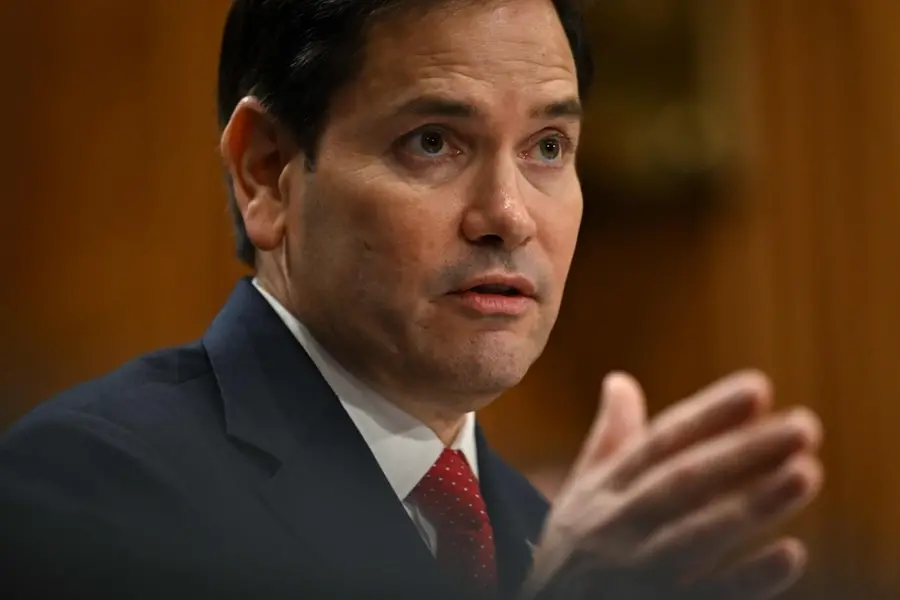
Washington: US Secretary of State Marco Rubio on Tuesday accused Iran of violating international law and destabilising global commerce by targeting commercial vessels in the Strait of Hormuz. He warned that these actions have had repercussions for countries across the world.
Speaking to reporters ahead of a meeting with New Zealand Foreign Minister Winston Peters at the State Department, Rubio said Washington was monitoring developments regarding potential diplomatic engagement with Tehran.
"Hope we have more news later today on that," he said when asked whether Iran would come to the negotiating table.
Impact on global shipping
Rubio emphasised that the tensions in the West Asia region have serious implications for international trade. The Strait of Hormuz is a critical maritime route for global energy supplies, and repeated attacks on commercial vessels have raised alarm among shipping and energy sectors.
"The whole world's been impacted unfortunately because Iran is violating every law known by striking commercial vessels in the Straits of Hormuz, and it's a big problem for the world," Rubio said.
Criticism of Iranian leadership
The US Secretary of State characterised the Iranian leadership as dismissive of international norms. He described Iran as a state sponsor of terrorism and suggested that its actions against commercial vessels are consistent with that designation.
"I mean, this is a regime that doesn't believe in laws, rules, or anything like that. It's a state sponsor of terrorism, so it's not surprising that they're now conducting terrorist activity against commercial vessels," he added.
Broader diplomatic context
Rubio’s comments highlight Washington's position that the situation is not merely a bilateral dispute but a broader threat to maritime security and international commerce.
When asked about remarks from Cuba's President Miguel Diaz-Canel warning that Havana would retaliate if the US launched operations, Rubio dismissed the threat.
"I don't think much about what he has to say," he said.
The press interaction was brief and tightly controlled, ahead of the discussions with Peters that were expected to address regional security and global stability concerns.
IANS inputs
Published: 07 Apr 2026, 11:19 pm IST
Related Topics
Disclaimer: Kindly avoid objectionable, derogatory, unlawful and lewd comments, while responding to reports. Such comments are punishable under cyber laws. Please keep away from personal attacks. The opinions expressed here are the personal opinions of readers and not that of Mathrubhumi.
