
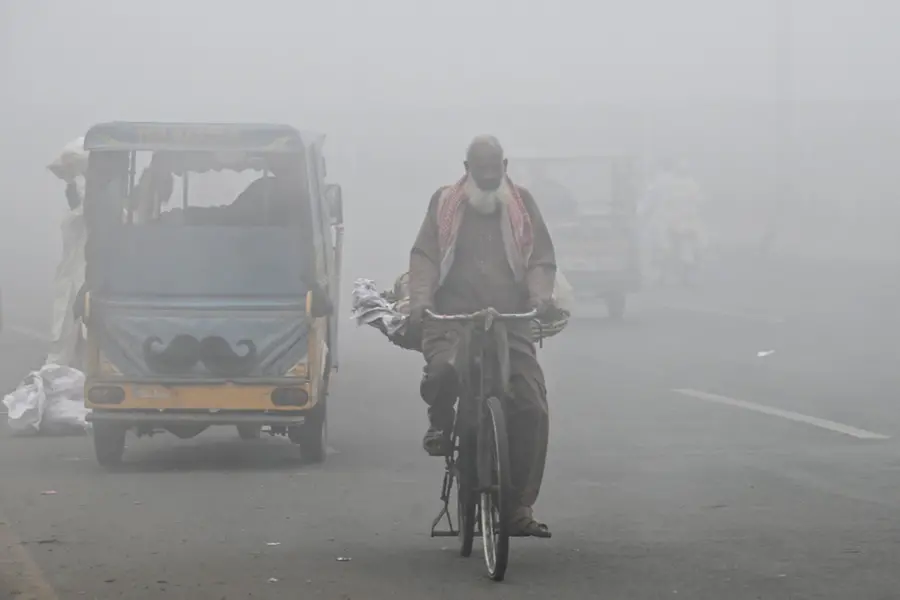
Islamabad: The Lahore district administration has banned outdoor activities to counter the increasing smog threat, according to a notification issued by the Deputy Commissioner of Lahore. As reported by ARY News, the restrictions will suspend outdoor activities from November 11 to 17.
The ban includes all sports, exhibitions, events, and outdoor dining at restaurants, with an exemption for religious gatherings. Additionally, all shops, markets, and malls are required to close by 8 p.m., although medical stores, labs, petrol pumps, and grocery stores are exempt, the notification stated. Large department stores are permitted to keep only their grocery and medical sections open.
Islamabad has also introduced measures to address worsening air pollution, including the closure of brick kilns and factories that emit smoke. Deputy Commissioner Irfan Nawaz Memon recently met with key stakeholders, including the Islamabad Transport Authority and the Excise Department, to outline steps for curbing emissions citywide.
Per decisions made in the meeting, smoke-emitting factories in Islamabad will be temporarily shut down, while all brick kilns will remain closed until further notice to help reduce smog levels. Additionally, vehicles that emit smoke will be prohibited from roads in the Islamabad Capital Territory. Burning garbage, leaves, or any other materials outdoors is banned, and any activities harmful to the environment will face restrictions. The Islamabad Transport Authority has been conducting inspections to enforce these measures.
A recent report from the Green Master Plan has highlighted the critical factors contributing to Lahore’s smog problem, noting that rapid development has transformed Lahore into a “concrete jungle” and reduced green spaces, creating a “heat island.” The report further states that 33 square kilometers of industrial zones are located near residential areas, intensifying the smog issue. It warns that if these dispersed industries are not relocated to designated areas within the next decade, the city could face irreversible environmental damage. ANI
Published: 12 Nov 2024, 07:35 am IST
Related Topics
Disclaimer: Kindly avoid objectionable, derogatory, unlawful and lewd comments, while responding to reports. Such comments are punishable under cyber laws. Please keep away from personal attacks. The opinions expressed here are the personal opinions of readers and not that of Mathrubhumi.
