
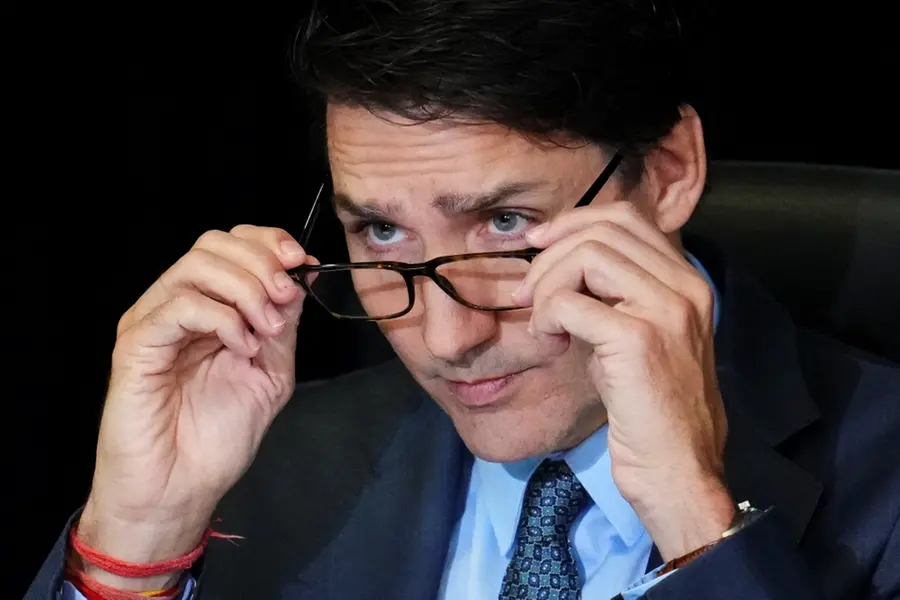
Toronto: Canadian Prime Minister Justin Trudeau announced his resignation on Monday, citing mounting internal discontent and the abrupt departure of his finance minister, which indicated increasing turmoil within his government. Trudeau acknowledged that “internal battles” meant he "cannot be the best option” in the next election and will remain in office until a new leader of the Liberal Party is chosen.
An official familiar with the matter confirmed that Parliament, initially scheduled to resume on January 27, will be suspended until March 24 to allow for the Liberal Party leadership race. This suspension of Parliament will enable the party to select a new leader before a potential spring election. The official, who wished to remain anonymous, was not authorized to comment publicly on the matter.
All three major opposition parties have announced their intention to topple Trudeau’s government in a no-confidence vote when Parliament resumes. This move effectively sets the stage for an election to select Trudeau’s successor, further destabilizing his leadership position.
Trudeau’s Decline in Popularity
Trudeau, who ascended to power in 2015 after a decade of Conservative rule, had been hailed initially for steering Canada back to its liberal roots. However, in recent years, his popularity waned over issues like the rising cost of food, housing, and concerns over immigration. Public opinion polls show the Liberals trailing the Conservatives by a significant margin, with a 47% to 21% lead for the opposition.
Political Crisis Amid International Pressures
The political upheaval comes at a challenging moment internationally, with U.S. President-elect Donald Trump threatening to impose 25% tariffs on all Canadian goods unless Canada curbs what Trump calls a flow of migrants and drugs. This puts additional strain on Canada’s relationship with the U.S., its major trading partner.
Finance Minister’s Resignation Deepens Crisis
The crisis escalated following the resignation of Finance Minister Chrystia Freeland on December 16. In her resignation letter, Freeland criticised Trudeau's economic priorities, particularly a temporary sales tax holiday and direct checks to citizens, arguing Canada could not afford such "costly political gimmicks” amid rising tariffs from the U.S.
Challenges to Trudeau’s Fourth-Term Bid
Trudeau, who had hoped to run for a fourth term in next year’s election, faces growing dissatisfaction within his party. The Liberal Party recently suffered significant losses in special elections in districts it had held for years. With the latest polls showing dismal chances for victory, Trudeau's political future seems increasingly uncertain.
Legacy of a Charismatic but Divisive Leader
Trudeau, the son of Pierre Trudeau, one of Canada’s most iconic prime ministers, had embraced liberal causes such as immigration, gender equality, and cannabis legalization. However, his handling of issues like economic growth, environmental protection, and COVID-19 responses have sparked both support and criticism, leading to a decline in his popularity.
Published: 06 Jan 2025, 09:42 pm IST
Related Topics
Disclaimer: Kindly avoid objectionable, derogatory, unlawful and lewd comments, while responding to reports. Such comments are punishable under cyber laws. Please keep away from personal attacks. The opinions expressed here are the personal opinions of readers and not that of Mathrubhumi.
