
From BJP's 2011 demand against P Chidambaram to Congress' 2026 demand against Amit Shah, the debate over Home minister accountability during police action has returned in Parliament.
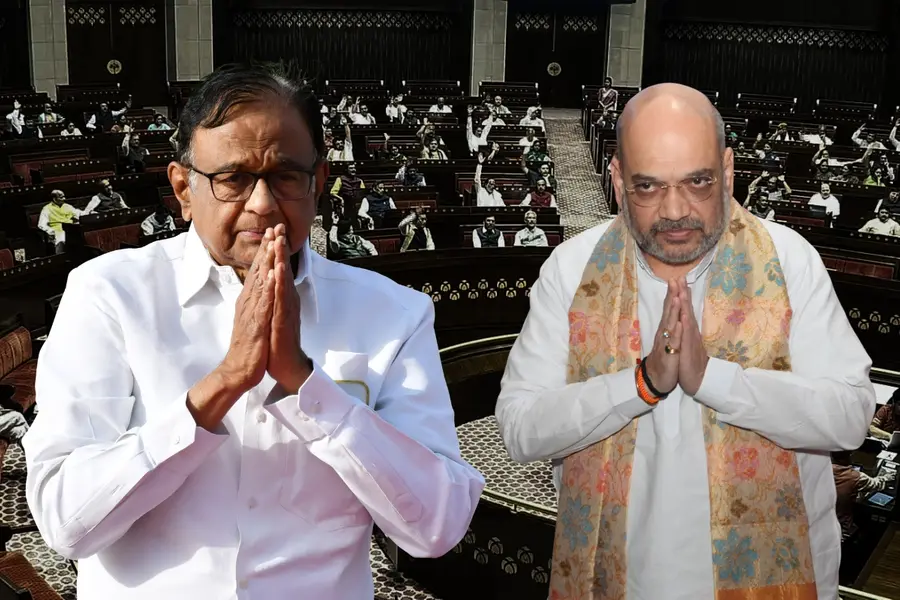
A political argument that surfaced in Parliament over a decade ago has returned with a different set of players. In 2011, the BJP demanded the resignation of then Home Minister P. Chidambaram over police action during protests. In 2026, the Congress is making a similar demand against Home Minister Amit Shah after alleged police excesses during a student protest.
In 2011, the BJP, then in Opposition, targeted the UPA government after police action against protesters in Delhi and demanded the resignation of then Home Minister P. Chidambaram.
Also Read

Fifteen years later, the Congress-led Opposition has made a similar demand against current Home Minister Amit Shah after the police response to a student protest march in Delhi.
While the circumstances and protests are different, the political argument remains similar — whether the Home Minister should be held responsible for actions carried out by agencies under the ministry.
2011: BJP targeted Chidambaram over police action
During the UPA-II government, the BJP launched a strong protest against P. Chidambaram, arguing that the Home Minister was responsible for law and order decisions under his ministry.
The party demanded his resignation, citing both corruption allegations linked to the 2G spectrum controversy and police action against protesters.
Senior BJP leader Sushma Swaraj argued that the Home Minister was answerable for Delhi's law and order situation.
"Humne tay kiya hai ki Delhi ki law and order, jo seedhe-seedhe Home Minister ke under aati hai, uske liye woh zimmedar hain."
The BJP also disrupted parliamentary proceedings, demanding accountability from the government.
2026: Congress raises similar argument against Amit Shah
In 2026, the Congress has adopted a similar position while targeting Amit Shah over alleged police action against students during a protest march to Parliament.
Leader of Opposition Rahul Gandhi accused the Home Minister of being responsible for the actions of security forces.
He argued that Shah either authorised the action or failed to prevent it.
"If he ordered it, he is culpable and if he did not know then he is incompetent."
Gandhi has demanded Shah's resignation and a Supreme Court-monitored investigation into the alleged police excesses.
Political roles reverse, arguments remain similar
The comparison highlights a recurring feature of Indian politics: parties often demand strict accountability from governments when they are in Opposition, but the same standards become politically contested when they hold power.
The BJP's 2011 argument was that the Home Minister could not distance himself from police actions under his ministry. The Congress is now using a similar argument against the BJP-led government.
However, the two situations are not identical. The nature of the protests, allegations and circumstances surrounding the police responses differ, and each incident requires examination based on its own facts.
The larger question: What does ministerial responsibility mean?
The debate goes beyond individual ministers and raises a broader question about accountability in government.
In India's parliamentary system, ministers are responsible for the functioning of their departments. Critics often argue that this responsibility includes taking political accountability for failures or controversial actions by agencies under their control.
Governments, however, have traditionally argued that ministers cannot be held personally responsible for every operational decision taken by officials or police personnel.
This difference between political responsibility and direct involvement has remained a recurring point of conflict between governments and Opposition parties.
A cycle of political accountability debates
The Chidambaram-Amit Shah comparison shows how similar arguments return when political positions change.
The BJP once demanded accountability from the Home Minister while sitting in Opposition. The Congress is now making the same demand against the current Home Minister.
The debate reflects a larger challenge in Indian democracy: whether demands for accountability remain consistent regardless of which party is in power.
Published: 29 Jul 2026, 08:37 pm IST
ABOUT THE AUTHOR
Disclaimer: Kindly avoid objectionable, derogatory, unlawful and lewd comments, while responding to reports. Such comments are punishable under cyber laws. Please keep away from personal attacks. The opinions expressed here are the personal opinions of readers and not that of Mathrubhumi.