
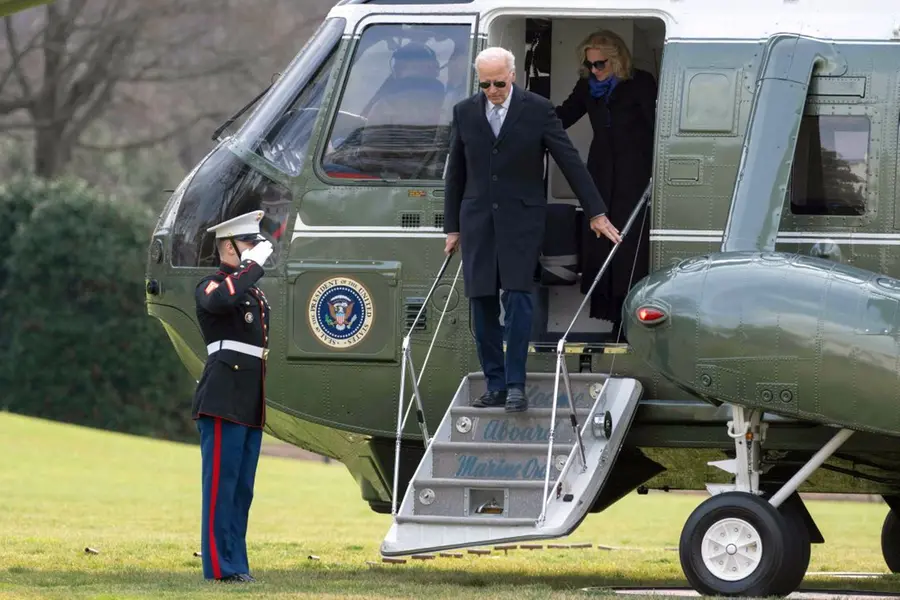
United States President Joe Biden is expected to block Nippon Steel's $14 billion acquisition of US Steel, citing national security concerns, sources familiar with the decision told The New York Times. The announcement is anticipated on Friday.
President Biden has engaged in extensive discussions with his top advisers in recent days regarding the approval of this deal. Secretary of State Antony Blinken has also directly addressed the matter with the president.
Sources indicate that US Steel is likely to file lawsuits, potentially targeting the Biden administration, should the president block the acquisition. Cleveland-Cliffs, which lost its bid for US Steel, along with its president Lourenco Goncalves and United Steelworkers president Dave McCall, could also be named in these potential lawsuits.
On Tuesday, Nippon Steel, headquartered in Japan, proposed granting the U.S. government direct veto authority over any changes to US Steel's production capacity. This proposal represents a minor adjustment to a recommendation from the Committee on Foreign Investment in the United States (CFIUS), a review panel, aimed at mitigating concerns that Nippon Steel's proposed purchase could lead to a decline in domestic steel output and a reduction in the U.S. workforce.
An earlier proposal suggested an independent, majority-American board appointed by CFIUS would oversee production decisions. This proposal was submitted to the White House for President Biden's review on Monday.
The revised mitigation agreement would grant all decision-making power regarding production capacity changes to the U.S. government.
According to a source familiar with the process, Nippon Steel's new proposal includes a 10-year guarantee that it will not reduce production capacity at US Steel's mills in Pennsylvania, Indiana, Alabama, Texas, California, and Arkansas without approval from a CFIUS panel, led by Treasury Secretary Janet Yellen.
Nippon Steel had previously set a January 7th deadline for the acquisition but extended the closing date to sometime in the first quarter of 2025.
Trade Representative Katherine Tai, a CFIUS member, expressed concerns about the deal's impact on labor and opposed the acquisition, according to sources. Other agencies with seats on CFIUS, including the Justice, Treasury, and State Departments, did not oppose the deal.
Published: 03 Jan 2025, 11:54 am IST
Related Topics
Disclaimer: Kindly avoid objectionable, derogatory, unlawful and lewd comments, while responding to reports. Such comments are punishable under cyber laws. Please keep away from personal attacks. The opinions expressed here are the personal opinions of readers and not that of Mathrubhumi.
