
The latest Israel-Hezbollah war began on March 2 and has since killed more than 3,200 people in Lebanon
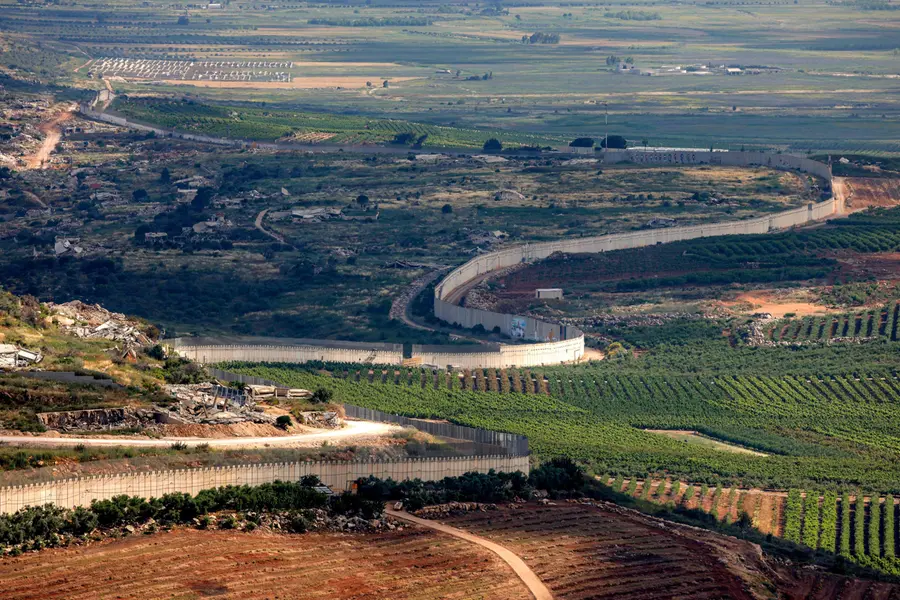
Beirut: Israeli troops advanced deeper into southern Lebanon on Friday, entering the village of Dibbine near Marjayoun and expanding military operations despite an April ceasefire, as Lebanese and Israeli military officials held rare direct talks in Washington aimed at reducing tensions along the border.
The latest escalation came amid continued Israeli airstrikes that killed at least six people across southern Lebanon. According to Lebanese state media, five people were killed in strikes on the villages of Deir Qanoun al Nahr and Abbasiyeh, while a municipal policeman was killed in the village of Ebba.
The military developments underscored the fragile nature of the ceasefire that took effect on April 17 and highlighted the challenges facing diplomatic efforts to halt the conflict.
Also read | Marco Rubio accuses Hezbollah of trying to 'drag Lebanon back into chaos and destruction’
Fighting intensifies south of the Litani river
Israeli forces also fought Hezbollah militants in the villages of Yohmor and Zawtar al-Sharqieh near Nabatieh after crossing the strategic Litani River, which has served as a de facto boundary for Israeli military operations.
Hezbollah said its fighters struck Israeli troops operating inside Yohmor. The clashes occurred near the Crusader-era Beaufort Castle, a strategic hilltop site located about 15 kilometres from the Israeli border and overlooking large areas of southern Lebanon.
The Israeli military also issued evacuation warnings for several southern Lebanese communities, forcing hundreds of families to flee further north.
Visiting Israel's northern front on Friday, Prime Minister Benjamin Netanyahu praised the military's advances.
"I must tell you that there are very impressive results here. Our forces have crossed the Litani; they have advanced to controlling positions," he said.
Also read | Israel has killed top Hamas leaders, so why hasn’t the war ended? | EXPLAINER
"We are operating in Beirut, in the Bekaa, across the entire width of the front, and we are dealing Hezbollah a crushing blow," Netanyahu said.
Large areas south of the Litani remain under Israeli military control despite the ceasefire agreement.
Rare direct military talks held at the Pentagon
As fighting continued on the ground, a six-member Lebanese military delegation met Israeli military officials at the Pentagon in the first direct military talks between the two countries in decades.
The Pentagon described the discussions as "productive" but did not announce any specific agreements.
According to a Pentagon statement, the talks "focussed on building practical frameworks for regional security and stability" and the "tangible outcomes" from their discussions will directly inform negotiations with political leaders scheduled to be conducted by the State Department next week.
The Lebanese delegation was led by Brigadier General George Rizkallah, the army's head of operations.
A senior Lebanese military official said the delegation would seek a comprehensive implementation of the ceasefire and request the reactivation of the committee overseeing an earlier US-brokered truce that ended the 2024 war between Israel and Hezbollah.
Another Lebanese official familiar with the talks said discussions would eventually address issues including deployment of the Lebanese army along the border and the withdrawal of Israeli troops from southern Lebanon.
Hezbollah, however, is not participating in the negotiations and has refused to recognise any outcomes from the talks.
Ceasefire efforts linked to wider regional diplomacy
Lebanese President Joseph Aoun discussed the situation with US Secretary of State Marco Rubio during a phone call on Friday.
According to Aoun's office, the president stressed that efforts should focus on implementing the ceasefire because it is "the essential entry point for transitioning to any other issues".
The latest developments came as US and Iranian negotiators reportedly reached a tentative agreement on Thursday to extend the ceasefire in the three-month-old regional conflict by 60 days and begin a new round of talks on Iran's nuclear programme.
Iran has not officially confirmed the reported understanding. US Vice President J D Vance acknowledged that a tentative agreement exists but said it remains unclear whether President Donald Trump will approve it.
Hezbollah lawmaker Hassan Fadlallah expressed hope that a US-Iran understanding could help end the conflict.
He said any deal between Iran and the US would stop Israel's offensive in Lebanon.
The latest Israel-Hezbollah war began on March 2 and has since killed more than 3,200 people in Lebanon while displacing over one million residents, according to Lebanese authorities.
Published: 30 May 2026, 06:39 am IST
Related Topics
Disclaimer: Kindly avoid objectionable, derogatory, unlawful and lewd comments, while responding to reports. Such comments are punishable under cyber laws. Please keep away from personal attacks. The opinions expressed here are the personal opinions of readers and not that of Mathrubhumi.
