
Over 60 killed in Tehran as Israel strikes Iran’s gas field and residential tower; Iran retaliates with 200 missiles
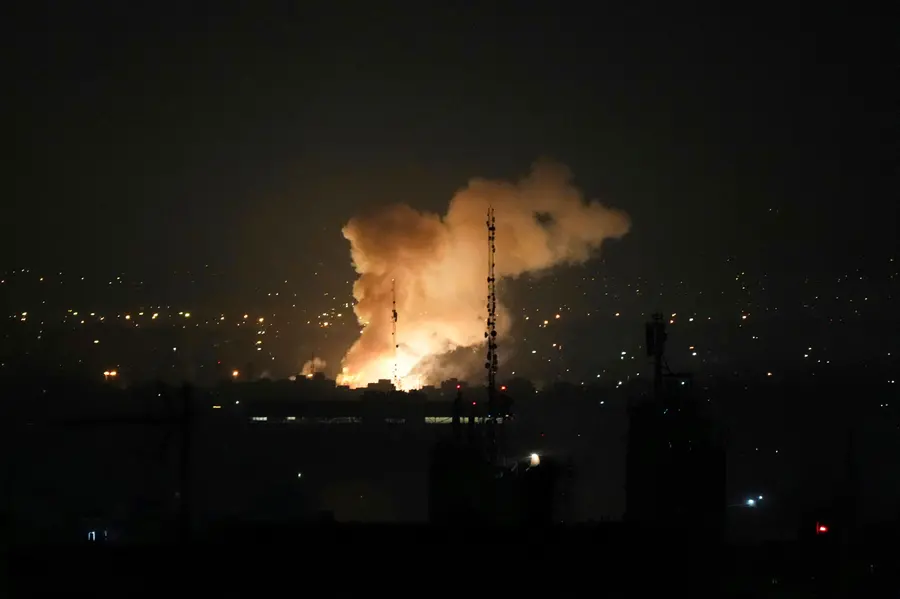
Tel Aviv: Tensions between Israel and Iran erupted into one of the most dangerous episodes of direct confrontation in recent history, as a series of overnight Israeli airstrikes killed over 60 people in Tehran, including 29 children, and Iran responded with a massive missile barrage that left at least 8 people dead and over 130 wounded in Israel.
The fresh Israeli offensive—part of what Prime Minister Benjamin Netanyahu has named Operation Rising Lion—struck several key Iranian targets, including the South Pars gas field, the world's largest natural gas deposit, and a 14-storey residential tower in central Tehran. Iran’s Foreign Ministry denounced the strikes as “barbaric” and “unjustified,” claiming they were aimed at crippling the country’s civilian infrastructure and inciting a regional war.
According to Iranian state media, the residential tower strike was one of the deadliest incidents in the capital in decades, with buildings flattened and families buried under rubble. Emergency crews were seen pulling bodies from collapsed upper floors. Iran reported a total of 78 deaths in two days, many of them women and children.
In retaliation, Tehran launched a coordinated attack of over 200 ballistic missiles and drones on Israeli cities including Tel Aviv, Haifa, and Galilee. Most were intercepted by Israeli and US air defence systems, but several struck residential areas, resulting in at least eight civilian deaths, including a 10-year-old boy, and over 130 injuries, according to Magen David Adom (MDA) and Israeli police.
Strategic escalation
Netanyahu, in a televised address, warned that "what they [Iran] have felt so far is nothing compared with what they will be handed in the coming days", adding that Israeli jets would soon be “over the skies of Tehran.” The Israeli military claimed to have targeted over 150 sites, including nuclear facilities in Natanz and Isfahan, as well as military installations and the homes of senior Revolutionary Guard officials.
Iranian authorities confirmed that nine nuclear scientists and several top military commanders were killed in the strikes. In response, Iran suspended nuclear talks with the United States, with Foreign Minister Abbas Araqchi stating that “dialogue under airstrikes is meaningless.”
Regional fallout and warnings
The crisis is drawing in regional and global players. At the Shanghai Cooperation Organisation (SCO) summit, India called for “dialogue and diplomacy,” while Turkey strongly condemned Israel, accusing Netanyahu of deliberately escalating tensions to distract from the Gaza crisis and sabotage nuclear diplomacy. President Erdogan also warned that the conflict risks triggering a wave of regional instability and irregular migration.
Meanwhile, Iran issued a stark warning that any foreign military base aiding in the interception of its missiles—including those of US or Arab allies—would be considered a legitimate military target. Iranian lawmaker Esmail Kosari said Tehran was reviewing whether to close the Strait of Hormuz, a critical oil shipping route, as part of its broader military response.
Civilian impact
Despite the chaos, images from Tel Aviv on Saturday evening showed residents returning to beaches and cafes, reflecting a complex public mood in Israel, where missile alerts and air-raid sirens have become increasingly frequent since the escalation.
In contrast, Tehran remains gripped by grief and anger. Iranian state TV aired images of families mourning children killed in the tower strike and rescue workers pulling survivors from the debris.
In one of the more chilling developments, Israeli Defence Minister Israel Katz warned, “If Khamenei continues to fire missiles at the Israeli home front, Tehran will burn.”
Diplomatic breakdown
Oman, which had been mediating US-Iran nuclear talks, confirmed that negotiations have been indefinitely suspended. The Iranian Foreign Ministry blamed Washington's silence for emboldening Israel and accused the United States of complicity.
International casualties
Among those injured in Iran’s retaliatory missile strikes was Croatia’s consul in Israel and his wife, who sustained minor injuries when a missile struck their residence in Tel Aviv. Croatia condemned the attacks and called for immediate de-escalation.
As both sides continue to trade strikes, analysts warn that the situation is veering dangerously toward all-out war, with potential to destabilise not just the region but the global economy and oil supply chains.
Further developments are awaited as diplomatic efforts stall and both nations appear determined to escalate rather than step back.
Published: 15 Jun 2025, 09:56 am IST
Disclaimer: Kindly avoid objectionable, derogatory, unlawful and lewd comments, while responding to reports. Such comments are punishable under cyber laws. Please keep away from personal attacks. The opinions expressed here are the personal opinions of readers and not that of Mathrubhumi.
