
Hezbollah officials and Hamas have labeled the truce a strategic failure for Israel, warning that border volatility and mutual distrust threaten the agreement's longevity.
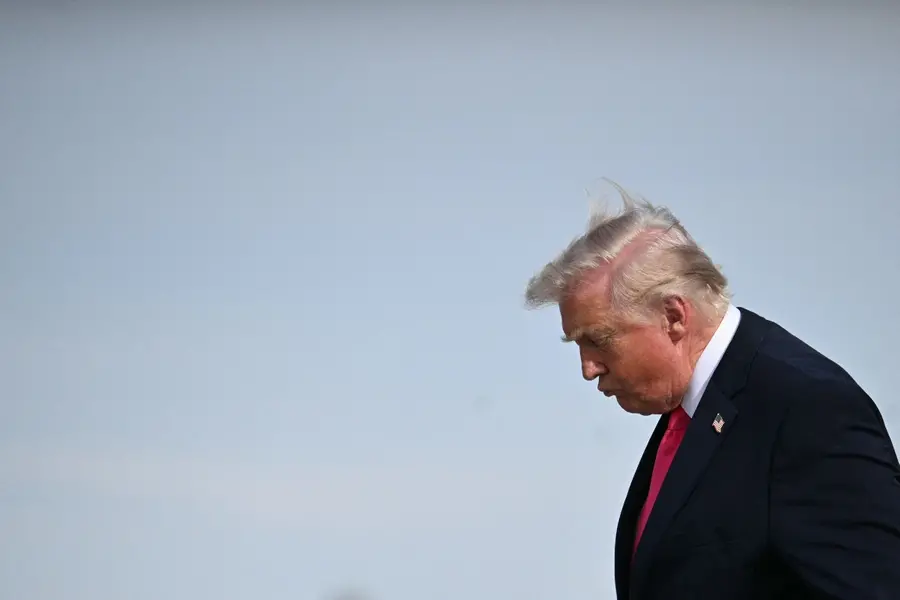
Beirut: A prominent member of the Lebanese Parliament claimed on Thursday that the current 10-day ceasefire between Israel and Lebanon was the product of Iranian influence over Washington, alleging that U.S. President Donald Trump was compelled to pressure Israel into the agreement.
Hussein Haj Hassan, a representative of the Hezbollah-affiliated Loyalty to the Resistance bloc, told the Lebanese Parliament that the diplomatic breakthrough was not a voluntary gesture from the West but a concession to Tehran.
"The ceasefire was imposed due to Iran's clear pressure. Trump gave in to Iran's pressure and forced Netanyahu to agree to a ceasefire in Lebanon," Hassan said, according to the Iranian state-run outlet Press TV.
Concerns Over Truce Stability
The remarks come during a period of extreme regional volatility following the U.S.-Iran conflict. Despite the cessation of hostilities, Hassan expressed deep scepticism regarding the longevity of the agreement, citing recent reports of military friction along the border.
"Our enemy is treacherous, and we must remain vigilant, as they have violated the current ceasefire several times," Hassan stated.
His sentiments were echoed by Hamas spokesperson Hazem Qassem, who framed the truce as a strategic failure for the Israeli government. Quoted by the Islamic Republic of Iran Broadcasting (IRIB), Qassem asserted that the development "demonstrated the inability of this occupying regime to achieve its goals."
The White House Perspective
The narrative from Beirut and Tehran stands in stark contrast to the account provided by President Trump, who announced the 10-day truce on Thursday. The president characterised the deal as the result of successful American diplomacy and high-level engagement with regional heads of state.
Writing on Truth Social, Trump detailed what he described as "excellent conversations" with Israeli Prime Minister Benjamin Netanyahu and Lebanese President Joseph Aoun.
"I just had excellent conversations with the highly respected President Joseph Aoun of Lebanon, and Prime Minister Bibi Netanyahu of Israel," the president’s post read. "These two leaders have agreed that, in order to achieve peace between their countries, they will formally begin a 10-day ceasefire at 5 p.m. EST."
Context of the Conflict
The temporary truce is intended to serve as a cooling-off period and a potential precursor to a more permanent diplomatic framework. The border region has been the site of intense exchanges between the Israeli military and Hezbollah, reaching a fever pitch following the initiation of U.S.-Israeli strikes against Iran on Feb. 28.
While Washington views the ceasefire as a critical window for broader resolution and reconstruction efforts, the competing rhetoric from Hezbollah-aligned officials suggests that the underlying political tensions remain a significant obstacle to a durable peace in West Asia.
With inputs from ANI
Published: 17 Apr 2026, 11:53 am IST
Related Topics
Disclaimer: Kindly avoid objectionable, derogatory, unlawful and lewd comments, while responding to reports. Such comments are punishable under cyber laws. Please keep away from personal attacks. The opinions expressed here are the personal opinions of readers and not that of Mathrubhumi.
