
Iran has laid out three key conditions for ending its ongoing conflict with the United States and Israel, demanding recognition of its rights
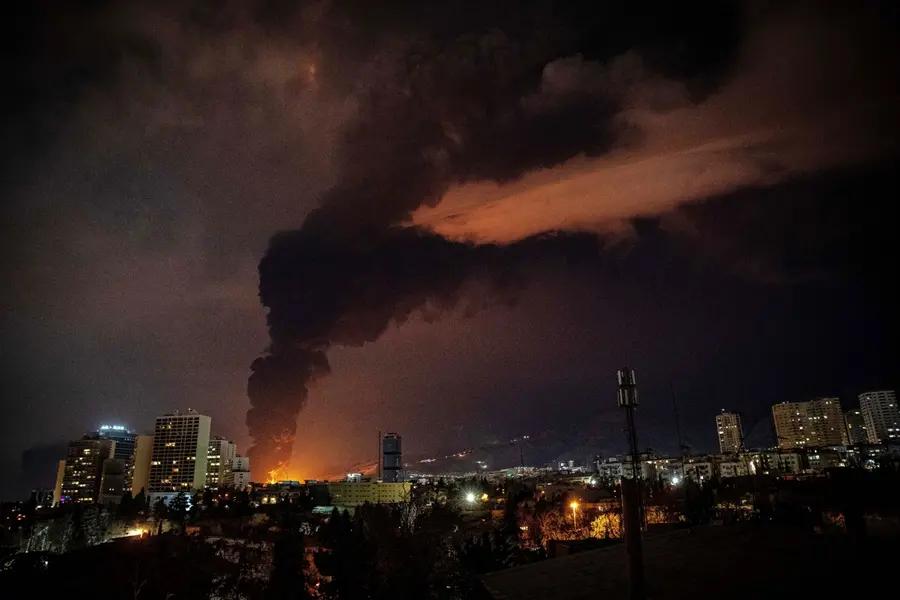
Tehran: Iran has announced three major conditions that must be met before it agrees to end the ongoing conflict with the United States and Israel, as tensions in the Middle East continue to escalate.
Iranian President Masoud Pezeshkian said Tehran remains open to peace but insisted that the war can only end if Washington and Tel Aviv acknowledge Iran’s demands. According to him, the conflict was triggered by attacks from the United States and Israel, and any ceasefire must include clear commitments addressing Iran’s concerns.
Also Read

Iran’s three conditions to end the war
In a statement shared on social media after speaking with leaders from Russia and Pakistan, Pezeshkian outlined the three conditions required for ending the war.
First, Iran wants international recognition of what it calls its legitimate rights. Second, Tehran has demanded reparations to compensate for damage caused during the conflict. Third, Iran is seeking firm international guarantees that it will not face similar attacks in the future.
“The only way to end this war — ignited by the Zionist regime and the US — is recognising Iran’s legitimate rights, payment of reparations, and firm international guarantees against future aggression,” Pezeshkian said.
US signals military operations will continue
Despite Iran’s demands, there are few signs of an immediate de-escalation. US President Donald Trump indicated that American military operations would continue as the conflict entered its second week.
Speaking at a rally in Kentucky ahead of the upcoming midterm elections, Trump said the United States had effectively already won the war but suggested that operations were not yet finished.
“We don’t want to leave early, do we? We got to finish the job,” Trump said.
He also suggested the conflict could end soon, adding that there was “practically nothing left” for the US military to target. “Any time I want it to end, it will end,” he stated.
Rising casualties and regional spillover
The conflict has already resulted in heavy casualties. Around 2,000 people have been killed, most of them in Iran and Lebanon, according to preliminary estimates. The violence has also spread beyond Iran, with Israeli airstrikes reported in parts of Lebanon.
The humanitarian toll has been severe. According to the United Nations Children’s Fund (UNICEF), more than 1,100 children have been killed or injured since the fighting began.
Impact on global oil markets
The war has also shaken global energy markets. Concerns about supply disruptions around the Strait of Hormuz — a key maritime route carrying roughly one-fifth of the world’s oil supply — have pushed oil prices sharply higher.
Earlier this week, crude oil prices surged to nearly USD 120 per barrel before easing to around USD 90. However, renewed tensions pushed prices higher again as uncertainty over shipping routes persisted.
Iran has warned that oil prices could rise as high as USD 200 per barrel if the situation escalates further and disruptions in the Strait of Hormuz continue.
With no immediate diplomatic breakthrough in sight, the conflict continues to pose serious risks to regional stability, global energy markets and international security.
Published: 12 Mar 2026, 10:30 am IST
Related Topics
Disclaimer: Kindly avoid objectionable, derogatory, unlawful and lewd comments, while responding to reports. Such comments are punishable under cyber laws. Please keep away from personal attacks. The opinions expressed here are the personal opinions of readers and not that of Mathrubhumi.