
While the negotiations concluded without a formal deal, Ghalibaf expressed gratitude to Pakistan for its instrumental role in facilitating the dialogue and securing the current ceasefire.
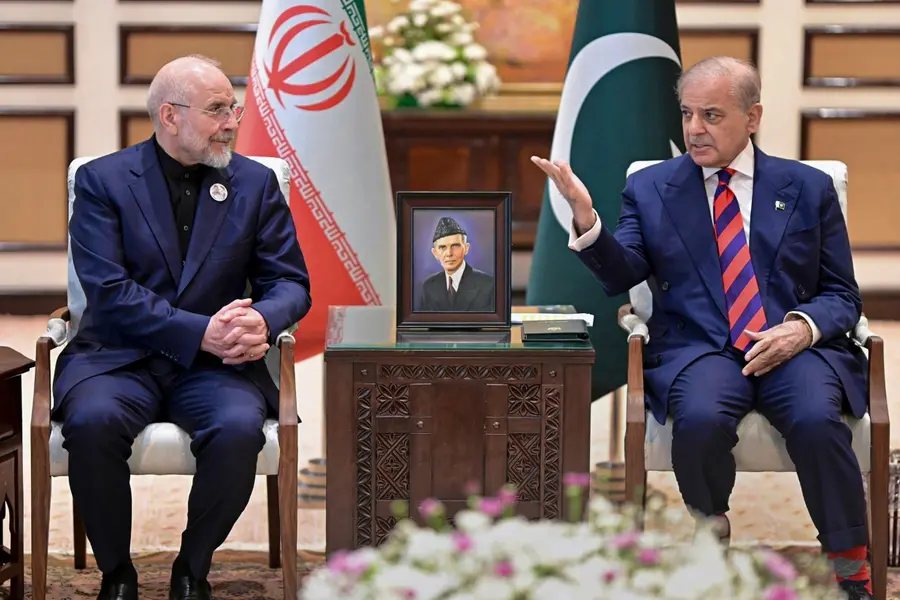
Iranian Parliament Speaker Mohammad Bagher Ghalibaf released his first formal assessment following the conclusion of the Islamabad summit, asserting that the United States was unable to bridge the deep-seated deficit of trust between the two warring nations.
In a series of statements shared on the social media platform X, Ghalibaf revealed that he had explicitly framed the Iranian position prior to the commencement of the high-level dialogue. He noted that while his delegation arrived with the "necessary good faith and will," the historical weight of "two previous wars" had left Tehran with "no trust in the opposing side."
A Deficit of Trust
The Speaker’s comments came after the lengthy 21-hour session, which served as the first direct diplomatic contact between the two countries in decades. Despite the mediation efforts, Ghalibaf characterised the American efforts as insufficient to provide the guarantees required for a durable agreement.
“The opposing side ultimately failed to gain the trust of the Iranian delegation in this round of negotiations,” he stated.
Diplomatic Courtesies
While the legislative leader’s assessment of the American delegation was stern, he offered warm praise for the host nation. Ghalibaf expressed his appreciation for the mediation provided by Islamabad, which was instrumental in securing the initial ceasefire and arranging the face-to-face meeting with U.S. Vice President JD Vance.
“I am also grateful for the efforts of our friendly and brotherly country, Pakistan, in facilitating the process of these negotiations, and I send my regards to the people of Pakistan,” he added.
The lack of a formal deal in Islamabad leaves the regional truce in a precarious state, with Ghalibaf's remarks suggesting that Iranian leadership remains unconvinced of Washington's commitment to a lasting resolution.
Published: 12 Apr 2026, 03:54 pm IST
Related Topics
Disclaimer: Kindly avoid objectionable, derogatory, unlawful and lewd comments, while responding to reports. Such comments are punishable under cyber laws. Please keep away from personal attacks. The opinions expressed here are the personal opinions of readers and not that of Mathrubhumi.
