
Iran has issued a fresh warning amid the ongoing conflict, saying it will not strike first but will retaliate strongly if targeted, while urging regional countries not to support its adversaries
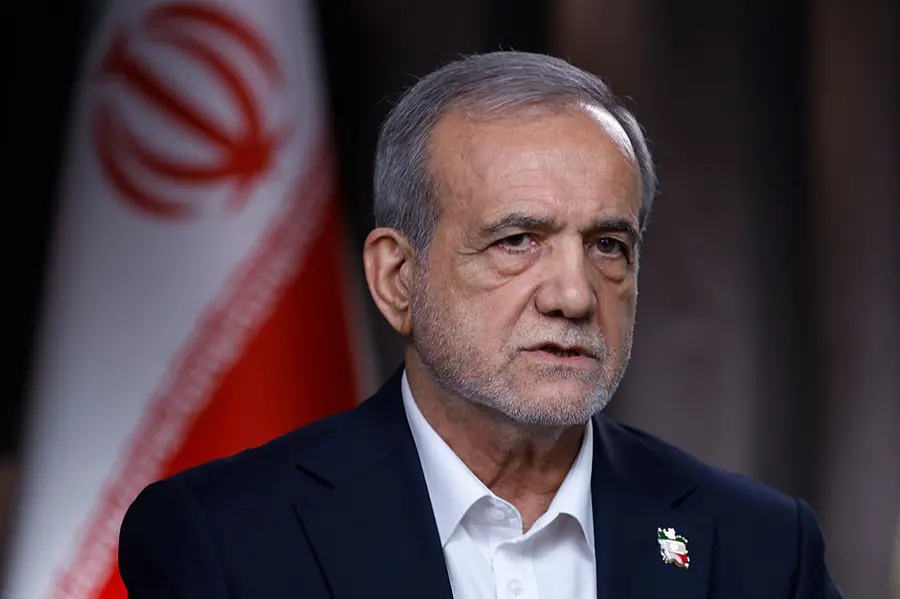
Tehran: The Iranian President Masoud Pezeshkian has reiterated that Tehran does not initiate attacks but will respond forcefully if its infrastructure or economic centres come under threat. In a statement shared on social media, he cautioned regional nations against allowing their territories to be used by adversaries, linking regional security directly to cooperation and neutrality.
The remarks come as the conflict involving the United States, Israel, and Iran enters its second month, with tensions spreading across multiple fronts in West Asia. Pezeshkian’s statement reflects a hardened stance, signalling that Iran may scale up its response if it perceives direct or indirect involvement by neighbouring countries.
Also Read

Call for mediation and diplomacy
Amid escalating hostilities, Pezeshkian also held discussions with Shehbaz Sharif, emphasising that trust is essential for meaningful mediation efforts between Iran and the United States. He acknowledged Pakistan’s diplomatic outreach and efforts to facilitate dialogue, while both sides reviewed the evolving crisis and possibilities for de-escalation.
Pakistan, in turn, briefed Iran on its engagements with Washington and Gulf nations, indicating ongoing backchannel efforts to reduce tensions in the region.
Escalation across the region
The broader conflict continues to intensify, with multiple incidents reported across the Middle East. Iran has claimed to have targeted a US-linked support vessel near the Omani coast, while maintaining that the operation respected Oman’s sovereignty. Meanwhile, drone and missile-related incidents have affected several countries, including damage near key infrastructure sites and airports in the Gulf region.
In the United Arab Emirates, fires broke out in an industrial zone following an attack, resulting in multiple injuries. Elsewhere, explosions were reported near Erbil International Airport in Iraq, a location known to host US-led coalition personnel.
Economic and strategic impact
The conflict has also begun affecting critical industries and infrastructure. A major Iranian steel plant was forced to halt production after reported strikes, highlighting the economic toll of the ongoing hostilities. Disruptions near key ports and shipping routes have further raised concerns about global trade and energy supply chains.
The Strait of Hormuz remains a focal point, given its importance as a major oil transit route. Continued instability in the region risks wider economic consequences, particularly for energy-dependent nations.
Uncertain path ahead
While the United States maintains that its military objectives are progressing, Iran’s continued ability to launch strikes and its warnings to regional players indicate that the conflict remains far from resolution. With diplomatic efforts ongoing but fragile, the situation continues to pose significant geopolitical and economic risks.
Published: 28 Mar 2026, 04:06 pm IST
Disclaimer: Kindly avoid objectionable, derogatory, unlawful and lewd comments, while responding to reports. Such comments are punishable under cyber laws. Please keep away from personal attacks. The opinions expressed here are the personal opinions of readers and not that of Mathrubhumi.