
Rising tensions between Iran and the United States have cast doubt on planned talks, following the seizure of an Iranian cargo ship in the Strait of Hormuz.
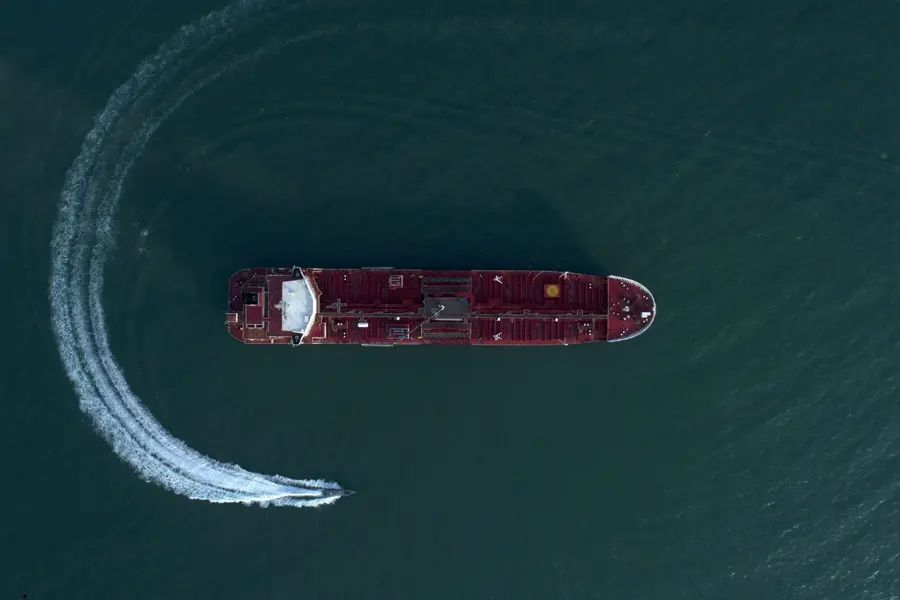
Tehran: Tensions between Iran and the United States have escalated following the seizure of an Iranian-flagged cargo vessel in the strategically important Strait of Hormuz, casting serious doubt over a planned round of talks between the two countries.
Iran has signalled that it may not participate in the proposed negotiations, indicating there are currently no plans for fresh discussions. This comes shortly after US President Donald Trump announced that American officials would travel to Islamabad for possible talks with Iran.
Also Read

Pakistan prepares amid uncertainty
Despite the growing uncertainty, Pakistan has moved ahead with preparations to host the talks. Security has been tightened across Islamabad, with large deployments and restricted zones in place. Officials have also intensified diplomatic outreach to both Washington and Tehran in an effort to ensure the talks proceed as scheduled. However, conflicting signals from Iran suggest that the meeting may not take place.
Strait of Hormuz tensions rise
The Strait of Hormuz has once again become a flashpoint in the conflict. The United States has maintained a blockade of Iranian ports, while Iran has responded by tightening control over maritime movement in the region.
Iranian authorities have described the US seizure of the vessel as an act of piracy and a violation of ceasefire conditions. Reports indicate that Iranian forces have taken steps to restrict the passage of ships, raising concerns about the safety of one of the world’s busiest shipping routes.
The strait is a critical global corridor, with nearly one-fifth of the world’s oil supply passing through it, along with natural gas and essential goods.
Rising casualties across the region
The broader conflict has resulted in heavy casualties across multiple countries. Iranian officials report that more than 3,300 people have been killed since the conflict began, including hundreds of children.
In Lebanon, over 2,200 people have reportedly died, while additional casualties have been recorded in Israel and several Gulf countries. Military losses have also been reported among Israeli and US forces operating in the region.
Global oil prices surge
The renewed tensions have had an immediate impact on global energy markets. Oil prices have risen sharply, with Brent crude reaching around USD 95 per barrel—more than 30 per cent higher than at the start of the conflict.
Earlier signs of stability following a temporary ceasefire in Lebanon have faded, as the US blockade and recent maritime incidents renewed fears of prolonged disruption. Hundreds of vessels are currently reported to be waiting at both ends of the Strait of Hormuz, unable to pass through.
Iran has warned that continued restrictions and military pressure could further strain global energy supplies, increasing the risk of a prolonged economic impact worldwide.
(With PTI inputs)
Published: 20 Apr 2026, 02:08 pm IST
Disclaimer: Kindly avoid objectionable, derogatory, unlawful and lewd comments, while responding to reports. Such comments are punishable under cyber laws. Please keep away from personal attacks. The opinions expressed here are the personal opinions of readers and not that of Mathrubhumi.