
Iranian delegation says its plane faced threats during Pakistan talks, forcing diversion to Mashhad and a return to Tehran by train and road.
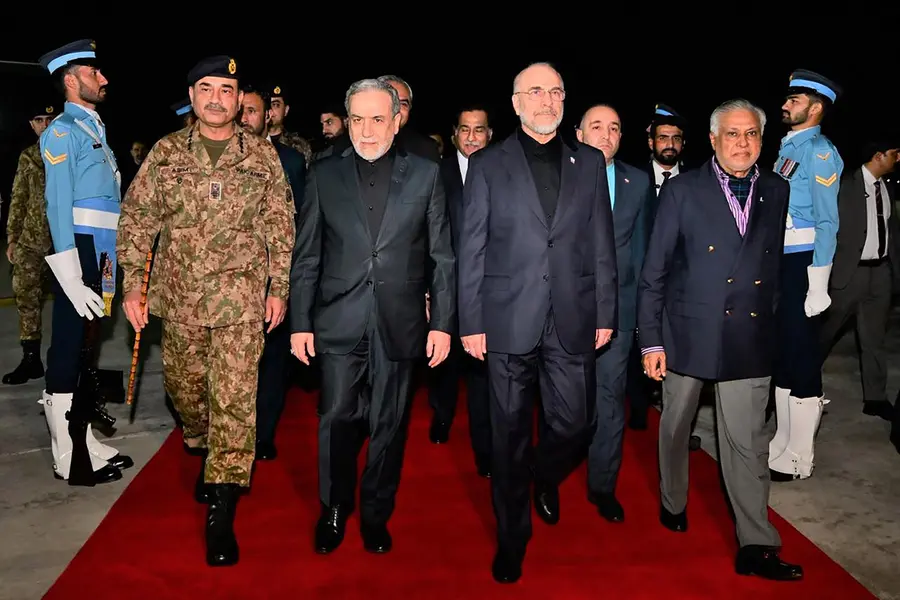
Iran’s delegation to high-stakes ceasefire negotiations with the United States in Pakistan altered its return journey amid alleged security threats, according to a member of the team, even as both sides weigh a possible return to Islamabad for further talks.
Mohammad Marandi, a political analyst from Tehran University who accompanied the delegation, said the group, which included Foreign Minister Abbas Araghchi and Parliamentary Speaker Mohammad-Bagher Ghalibaf, took an unusual route back to Tehran after their aircraft was diverted and forced to land in Mashhad.
He claimed the delegation perceived serious risks during both the outbound and return legs of the trip, prompting last-minute changes to their travel arrangements.
Alleged threats force change in travel plans
Marandi told Lebanon-based outlet Al-Mayadeen that the delegation had been warned of a possible attack even before reaching Pakistan.
"We received direct threats while en route to Islamabad that our plane might be attacked."
He added that the concerns persisted after the talks concluded, leading the delegation to act cautiously while leaving Pakistan.
"As a result, on the way back to Tehran, the delegation secretly switched planes,"
According to Marandi, the aircraft later made an unscheduled landing in Mashhad. From there, members of the delegation continued towards Tehran using a combination of train, car and bus.
The analyst did not identify the source of the alleged threats but said the delegation chose not to prolong its stay in Pakistan due to security concerns.
Deep mistrust and war preparedness
Marandi also underscored Tehran’s scepticism towards Washington, suggesting that the security concerns were part of a broader climate of mistrust.
"We don't trust the United States,” he told Al-Mayadeen, “and we are also being very busy preparing ourselves for the next round of war."
He further said Iran "always knew the United States was deceitful", adding that authorities were strengthening military capabilities even while negotiations were ongoing.
Talks marked by tension and deadlock
The Islamabad meeting, the first direct engagement between senior US and Iranian officials in more than a decade, ended without a breakthrough despite moments of apparent progress.
Participants reportedly included US Vice President J D Vance alongside Araghchi and Ghalibaf, with discussions described by sources as uneven and at times tense.
"There were ups and downs. There were tense moments. People left the room, and then came back,"
Key sticking points included Iran’s nuclear programme, demands for sanctions relief, and guarantees related to non-aggression. Iranian officials were said to have taken a firmer stance during discussions over assurances.
"How can we trust you when, in the last Geneva meeting, you said the US would not attack while diplomacy was underway?"
Possibility of renewed negotiations
Despite the lack of progress, officials from Iran and Pakistan indicated that another round of talks could take place in Islamabad as early as later this week or over the weekend.
Discussions on resuming negotiations are ongoing, though no final schedule has been confirmed. Pakistani authorities are reportedly in contact with both Washington and Tehran to coordinate the next meeting.
The initial talks were held just days after a ceasefire announcement linked to the wider Middle East conflict, marking the most senior-level contact between the two countries since Iran’s 1979 Islamic Revolution.
Published: 15 Apr 2026, 10:04 am IST
Disclaimer: Kindly avoid objectionable, derogatory, unlawful and lewd comments, while responding to reports. Such comments are punishable under cyber laws. Please keep away from personal attacks. The opinions expressed here are the personal opinions of readers and not that of Mathrubhumi.
