
Iran's alleged drone strike on Bahrain and a separate tanker attack in the Strait of Hormuz have heightened fears of a fresh escalation, raising concerns over the stability of the fragile US-Iran ceasefire.
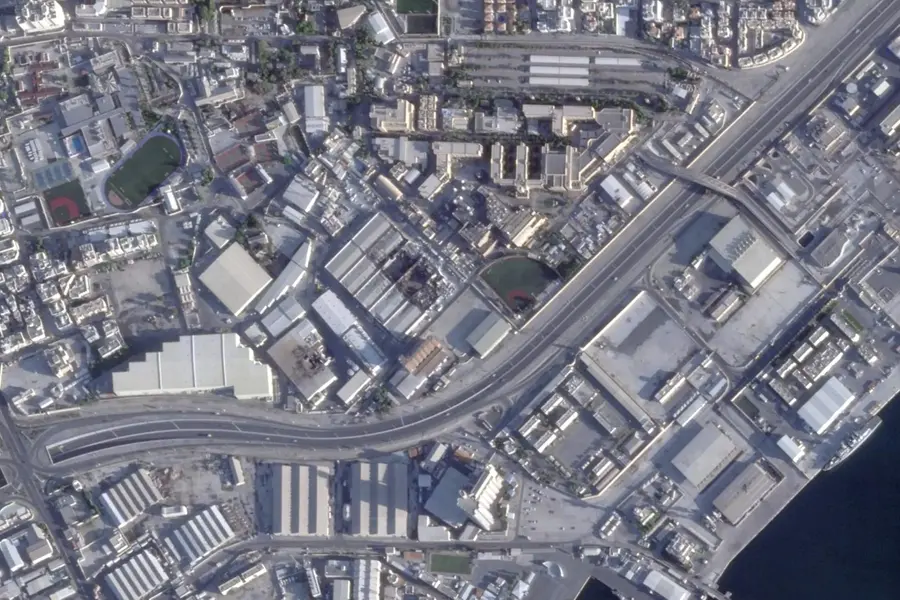
Iran's alleged drone strike on Bahrain and a separate attack on a tanker transiting the Strait of Hormuz have cast fresh doubt over efforts to preserve a shaky ceasefire between Tehran and Washington, raising fears of a renewed escalation in one of the world's most strategically important waterways.
Bahrain said on Saturday that several drones targeted the kingdom in what it described as a direct threat to the safety of its citizens and residents. The Gulf nation, a close US ally and host to the US Navy's Fifth Fleet, condemned the attack and vowed to take all necessary measures to safeguard its territory.
The incident came just hours after reports emerged of an attack on a commercial vessel navigating the Strait of Hormuz, a critical maritime route through which a significant share of the world's oil exports passes. Maritime security authorities said the ship's crew remained safe and no pollution or environmental damage was reported.
While no group immediately claimed responsibility for the tanker attack, suspicion quickly focused on Iran, given the recent pattern of confrontations in and around the Gulf.
The twin incidents mark the latest challenge to a ceasefire that has come under repeated strain despite diplomatic efforts to prevent a wider conflict. Analysts say the attacks highlight how quickly tensions can flare even as negotiations continue behind the scenes.
The kingdom has long been among the Gulf states most critical of Iran and serves as a key base for US military operations in the region.
The attack also comes days after Bahrain hosted a meeting of Gulf Cooperation Council foreign ministers attended by US Secretary of State Marco Rubio. The gathering concluded with calls for an end to attacks linked to Iran and renewed demands to keep the Strait of Hormuz open to international shipping.
Earlier on Saturday, Iran's Revolutionary Guard said it had targeted locations associated with what it called the "US terrorist army" in the region, though it did not specify the sites involved. The statement added another layer of uncertainty to an already volatile security situation.
With AP inputs
Published: 27 Jun 2026, 04:16 pm IST
Related Topics
Disclaimer: Kindly avoid objectionable, derogatory, unlawful and lewd comments, while responding to reports. Such comments are punishable under cyber laws. Please keep away from personal attacks. The opinions expressed here are the personal opinions of readers and not that of Mathrubhumi.
