Middle East tensions rise: US strikes Iranian drone, missile sites after cargo ship attack
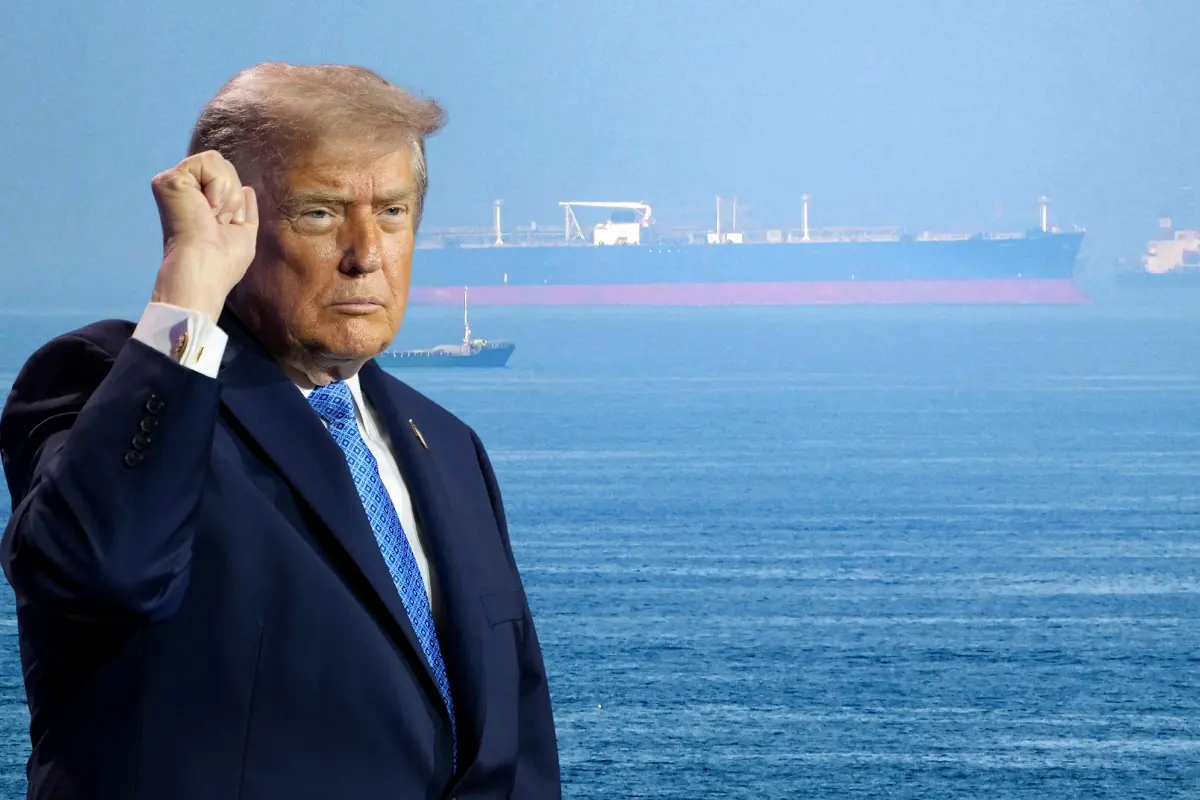
Washinton: American forces executed targeted military strikes on Friday (local time) against Iranian drone and missile storage facilities alongside coastal radar stations, acting on Washington's allegations that Tehran orchestrated an assault on a commercial cargo ship. The exchange has severely tested a fragile cease-fire as international diplomats attempt to manage the broader Middle East conflict.
US Central Command announced that the counter-strikes were a direct response to "unwarranted aggression against commercial shipping by Iranian forces" that "clearly violated the ceasefire."
The military command characterised the air operations as "a powerful response to yesterday's attack on a commercial ship that was transiting the Strait of Hormuz."
Iranian state television, quoting a correspondent stationed in Sirik, reported that a detonation echoed late Friday near the Taherouyeh pier in the southern harbour municipality. An unidentified Iranian military source told the network that the explosion resulted from a projectile strike in the vicinity.
US President Donald Trump had previously condemned what he categorised as an Iranian unmanned aerial vehicle strike against the merchant vessel.
"Obviously, this is a foolish violation of our ceasefire agreement," Trump stated.
The localised military escalation has introduced renewed uncertainty regarding the long-term accessibility of the Strait of Hormuz. The strategic channel remains a central focus as Washington and Tehran attempt to negotiate a permanent resolution to the war, which originally erupted following joint US-Israeli strikes inside Iran on Feb. 28.
While Iran has explicitly warned international maritime operators not to traverse the Persian Gulf via the Strait of Hormuz without official authorisation, cargo traffic has persisted. Several commercial vessels have utilised transit corridors explicitly rejected by Tehran.
According to data compiled by the Kpler maritime tracking platform, roughly half of the 42 merchant vessels that completed the passage on Thursday travelled along an unapproved southern corridor running past the coast of Oman.
Concurrently, the UN maritime agency reported that an organised evacuation initiative had successfully liberated 115 stranded vessels and approximately 2,500 mariners caught in the ongoing geopolitical dispute before the latest cargo ship assault forced an immediate halt to the operation.
Despite the renewed hostilities, global crude oil prices registered a sharp decline. The market reaction reflected widespread optimism that commercial energy transport through the critical chokepoint—which typically accommodates about 20% of international oil and gas exports—would continue its recovery.
With inputs from AFP