
Pope Leo XIV inherits the challenge of repatriating Indigenous artefacts held in the Vatican, amid growing calls from Canadian Indigenous leaders for the return of sacred cultural objects taken during colonial times.
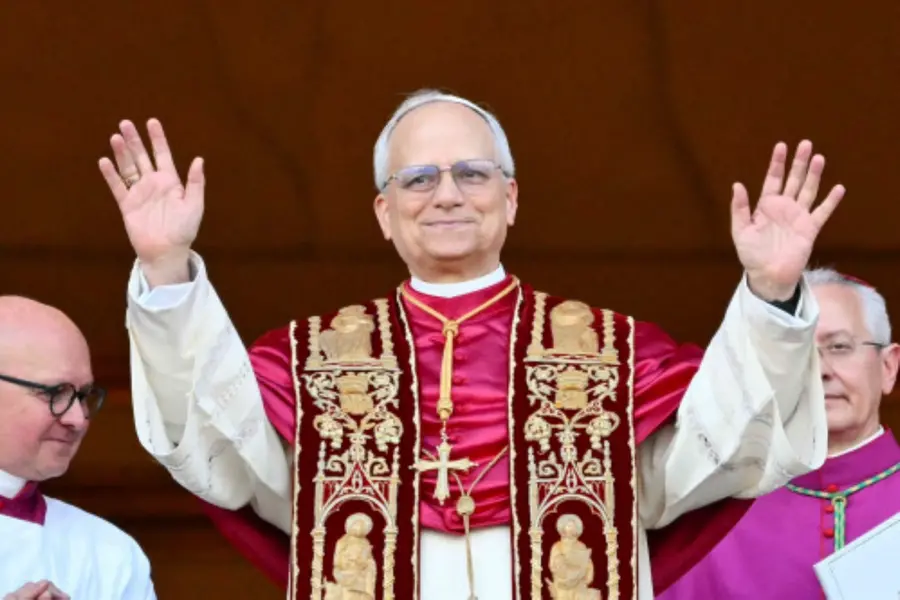
The new Pope Leo XIV, who took charge of the Catholic Church earlier this month, faces a challenging and sensitive issue. Deep within the walls of Vatican City lies a vast collection of Indigenous artifacts, many of which were taken from Indigenous communities in Canada during a dark chapter of colonial history. These treasured cultural objects remain in the Vatican, even after promises by Pope Francis to return them as part of healing and reconciliation efforts.
Troubled past
The Vatican’s collection includes thousands of items, such as an Inuvialuit sealskin kayak, Cree leather gloves, a 200-year-old wampum belt, and a baby belt from the Gwich’in people. These artifacts represent rich Indigenous heritage but were acquired during a time when Indigenous cultures were being destroyed through forced assimilation.
During the early 20th century, under Pope Pius XI, missionaries were encouraged to gather Indigenous belongings — often without permission — as proof of the Church’s reach around the world. Many objects were taken while Indigenous children were forced to attend residential schools in Canada, where they faced abuse and cultural erasure.
Calls for repatriation grow louder
Indigenous leaders from Canada, including the Federation of Sovereign Indigenous Nations (FSIN), have long urged the Vatican to return these sacred items. These artifacts hold deep cultural, spiritual, and historical importance and are essential to the healing of survivors of residential schools.
In 2022, a delegation of First Nations, Inuit, and Métis leaders visited the Vatican and saw many of these relics firsthand. The experience was emotional, highlighting how far removed these important objects are from their rightful homes.
A long road
While Pope Francis apologised for the Church’s role in abuses against Indigenous peoples and promised to return the artifacts, few have been repatriated so far. The new Pope Leo has yet to publicly address this issue.
Indigenous voices stress that returning the artifacts is not only about righting past wrongs but also about preserving cultural identity for future generations. The process aligns with international commitments such as the United Nations Declaration on the Rights of Indigenous Peoples, which supports the return of ceremonial objects to their communities.
For many Indigenous people, these artifacts are more than just historical items—they are living symbols of their culture and ancestors. Returning them could play a vital role in healing the deep wounds caused by colonialism and forced assimilation policies.
As Pope Leo begins his leadership, the hope among Indigenous communities is that he will continue the work started by his predecessor and take meaningful steps to reunite these sacred objects with the people to whom they truly belong.
Published: 30 May 2025, 08:28 pm IST
Related Topics
Disclaimer: Kindly avoid objectionable, derogatory, unlawful and lewd comments, while responding to reports. Such comments are punishable under cyber laws. Please keep away from personal attacks. The opinions expressed here are the personal opinions of readers and not that of Mathrubhumi.
