
India's UPI has been highlighted as a model for South Africa's push towards a cashless economy, with the country's central bank governor praising its simplicity, affordability and ability to drive financial inclusion.
New Delhi: India's Unified Payments Interface (UPI) is drawing international attention once again, this time from South Africa, where policymakers are exploring ways to reduce the country's heavy reliance on cash and expand access to digital payments.
According to a report by South African media outlet IOL, South African Reserve Bank Governor Lesetja Kganyago cited India's UPI as a successful example of how a low-cost, real-time payment system can transform a nation's financial landscape.
Also Read

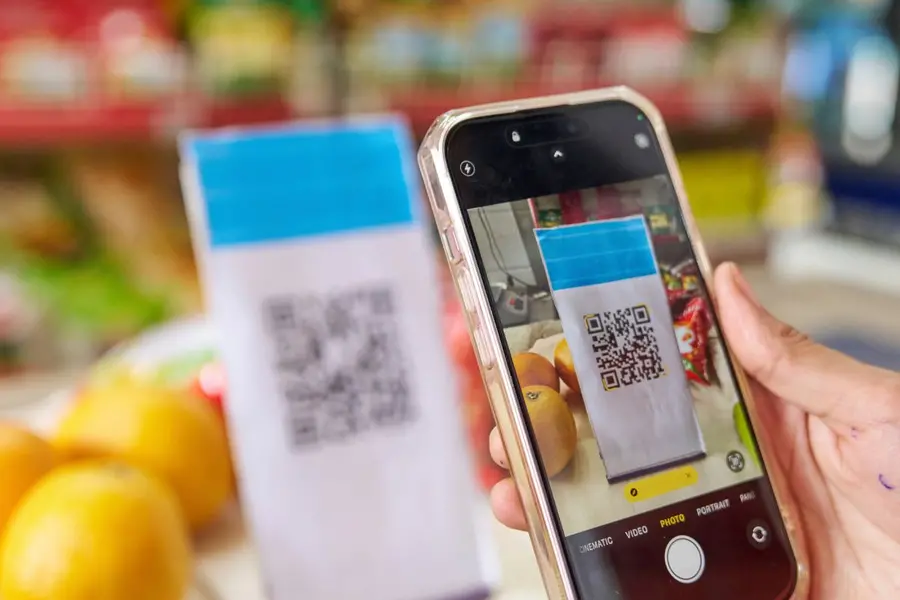
Kganyago highlighted UPI's ability to enable instant payments using simple tools such as mobile phone numbers and QR codes, eliminating the need for expensive point-of-sale terminals. The model, he suggested, could help South Africa accelerate its own digital payments ambitions.
Why South Africa is looking at UPI
South Africa is working on plans for a free, real-time national payments platform that would allow citizens to make digital transactions without additional charges. The initiative aims to reduce dependence on cash and improve financial inclusion across the country.
The challenge is significant. Nearly 43 per cent of South African adults are either unbanked or underbanked, limiting their access to formal financial services. Rural internet connectivity remains uneven, mobile data costs are relatively high, and recurring power outages continue to affect digital infrastructure.
Despite these hurdles, authorities believe digital payments could improve efficiency, reduce transaction costs and expand access to financial services.
How UPI transformed payments in India
UPI has emerged as the backbone of India's digital payments ecosystem, allowing users to transfer money instantly between bank accounts using smartphones, QR codes and mobile numbers.
What began as a domestic payments innovation has evolved into one of the world's largest real-time payment networks. Today, UPI processes nearly half of all real-time digital transactions globally, making it one of India's most successful technology exports.
Its rapid adoption has been driven by ease of use, interoperability across banks and apps, and low transaction costs for consumers and businesses.
UPI's growing global footprint
India has already expanded UPI beyond its borders through partnerships led by the National Payments Corporation of India and its international arm, NPCI International Payments Limited.
UPI-based payment services have been introduced in Singapore, United Arab Emirates, Mauritius and France, while Nepal and Bhutan have already adopted the platform for transactions.
Discussions are also underway with financial institutions and regulators across Asia, Africa and Europe, reflecting growing international interest in India's digital payments infrastructure.
What it could mean for South Africa
For South Africa, adopting principles similar to UPI could help lower transaction costs, reduce dependence on cash and improve access to financial services for millions of people currently outside the banking system.
While challenges such as internet access, electricity reliability and financial literacy remain, policymakers see digital payments as an important tool for economic inclusion and modernisation.
The renewed interest in UPI highlights how India's home-grown payments system is increasingly being viewed not just as a domestic success story, but as a potential blueprint for digital financial transformation in emerging economies worldwide.
Published: 13 Jun 2026, 06:39 pm IST
Related Topics
Disclaimer: Kindly avoid objectionable, derogatory, unlawful and lewd comments, while responding to reports. Such comments are punishable under cyber laws. Please keep away from personal attacks. The opinions expressed here are the personal opinions of readers and not that of Mathrubhumi.