
Under the draft proposal, both sides would commit to a 60-day ceasefire, which could be extended by mutual consent
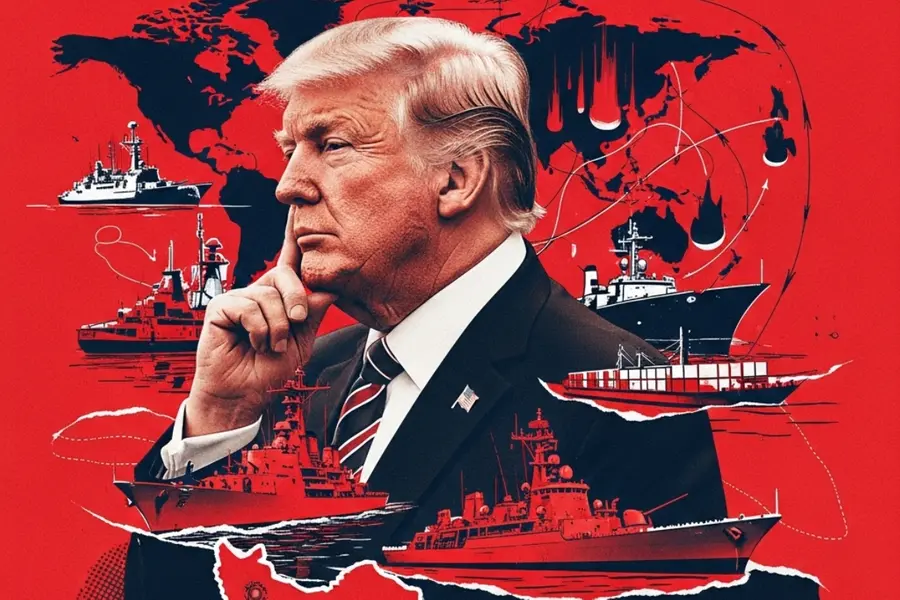
Washington: The United States and Iran have reached a tentative ceasefire framework that could extend the truce for 60 days, reopen the Strait of Hormuz, and pave the way for negotiations on Iran’s nuclear programme, US officials have said.
According to a report by Axios, the proposed memorandum of understanding is awaiting approval from US President Donald Trump. Officials said the agreement is still under discussion and could either be finalised within days or fall apart.
Under the draft proposal, both sides would commit to a 60-day ceasefire, which could be extended by mutual consent. It also proposes the reopening of the Strait of Hormuz for unrestricted commercial shipping, with no tolls or harassment, and calls for Iran to clear mines from the waterway within 30 days.
The US, in turn, would lift restrictions on the Strait if commercial traffic resumes and issue limited sanctions waivers to allow Iran to resume oil exports. The proposal also includes provisions for humanitarian assistance and the gradual easing of certain economic restrictions.
A key element of the draft is Iran’s commitment not to pursue nuclear weapons, with initial negotiations expected to focus on Iran’s stockpile of highly enriched uranium and its enrichment activities during the 60-day period.
US officials said Iran had pushed for the immediate release of frozen assets and permanent sanctions relief, but Washington insisted these steps would only follow concrete concessions from Tehran.
The proposal also reportedly links wider regional de-escalation efforts, including an end to the conflict between Israel and Hezbollah in Lebanon. However, Axios reported that this clause has been the subject of disagreement between US President Donald Trump and Israeli Prime Minister Benjamin Netanyahu.
ALSO READ | Judge temporarily blocks payouts from Trump's $1.8B 'anti-weaponization' settlement fund
Officials familiar with the talks said Trump has been briefed on the framework but has not yet signed off on it, requesting additional time to review the proposal.
Separately, US and Iranian forces exchanged strikes on Thursday in what has become the most serious escalation since the April ceasefire, raising concerns over the stability of ongoing diplomatic efforts and the security of the Strait of Hormuz.
The latest confrontation follows a series of military exchanges, with US forces carrying out strikes earlier this week, which Washington described as self-defence in response to what it called aggressive activity from Iranian forces.
Published: 29 May 2026, 11:29 pm IST
Disclaimer: Kindly avoid objectionable, derogatory, unlawful and lewd comments, while responding to reports. Such comments are punishable under cyber laws. Please keep away from personal attacks. The opinions expressed here are the personal opinions of readers and not that of Mathrubhumi.
