
However, the bill faced opposition, with concerns raised about potential alignment with US interests and accountability for suppliers.
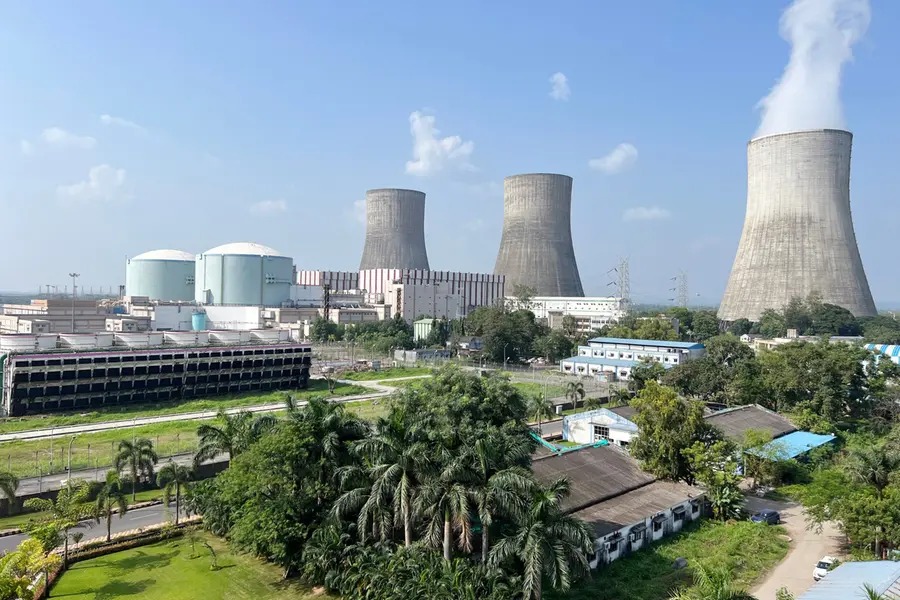
New Delhi: The United States on Monday welcomed India's newly enacted SHANTI Act, calling it a step toward stronger energy security cooperation, as the legislation opens the country's tightly controlled nuclear sector to private participation for the first time since independence.
"We welcome India's new SHANTI Bill, a step towards a stronger energy security partnership and peaceful civil nuclear cooperation. The United States stands ready to undertake joint innovation and R&D in the energy sector," the US Embassy in India said in a statement posted on X.
The statement came a day after President Droupadi Murmu granted assent to the Sustainable Harnessing and Advancement of Nuclear Energy for Transforming India (SHANTI) Bill, which Parliament passed last week amid an opposition walkout. The bill repeals the Atomic Energy Act of 1962 and the Civil Liability for Nuclear Damage Act of 2010, marking the most substantial overhaul of India's nuclear framework in six decades.
Opening to Private Investment
Under the new law, private companies, joint ventures, and foreign entities can build, own, operate, and decommission nuclear power plants in India, subject to licensing and safety authorisation. The legislation also permits up to 49 per cent foreign direct investment in certain nuclear activities and raises the liability cap for operators of large reactors to ₹3,000 crore, while removing automatic supplier liability for defective equipment.
The government has defended the changes as necessary to achieve India's target of 100 gigawatts of nuclear capacity by 2047, up from the current 8.78 gigawatts. Officials argue the reforms align with international standards and will attract the investment needed to support India's clean energy transition and net-zero emissions pledge by 2070.
Political Controversy
The bill's passage has triggered accusations from the opposition Congress party that the government rushed the legislation to align with US interests. Congress leader Jairam Ramesh pointed to a provision in the US National Defence Authorisation Act for 2026, signed by President Donald Trump on December 19, that calls for a joint consultative mechanism to review India's nuclear liability rules.
"Now we know for sure why the Prime Minister bulldozed the SHANTI Bill through Parliament earlier this week," Ramesh said, calling it an attempt "to restore SHANTI with his once good friend". The government has maintained that the bill is driven by India's domestic energy imperatives rather than external pressure.
Opposition members staged a walkout during the parliamentary debate, demanding that the bill be referred to a standing committee and raising concerns about weakened accountability for equipment suppliers.
Published: 23 Dec 2025, 08:24 am IST
Related Topics
Disclaimer: Kindly avoid objectionable, derogatory, unlawful and lewd comments, while responding to reports. Such comments are punishable under cyber laws. Please keep away from personal attacks. The opinions expressed here are the personal opinions of readers and not that of Mathrubhumi.
