
Rubio’s visit comes amid debate over US sanctions on Russian energy, intensified by Trump’s decision to temporarily ease restrictions on Russian diesel exports to global markets.
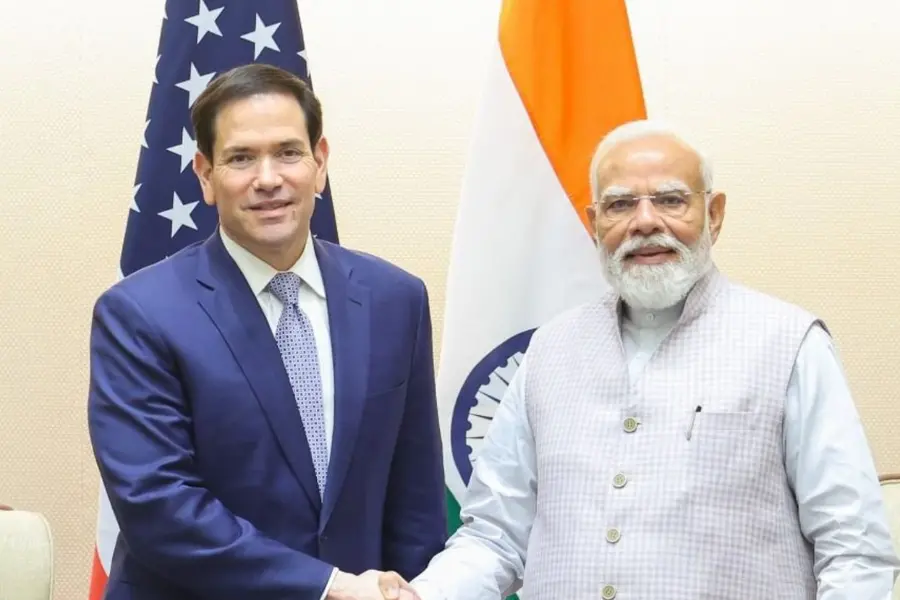
Washington: US Secretary of State Marco Rubio will visit Mumbai and Jamnagar from October 17 to 22 as Washington prepares to enforce a deadline linked to penalties on countries buying Russian energy, putting energy cooperation among the key issues on the agenda during his India visit.
Rubio will travel to Samarkand in Uzbekistan before arriving in India, where he is scheduled to meet senior government officials and business leaders. According to the US Department of State, discussions will focus on strengthening the US-India strategic partnership, regional and global developments, and prospects for enhanced energy cooperation.
The visit comes amid continuing friction between Washington and New Delhi over India's purchases of Russian crude oil. India has remained one of the largest buyers of Russian oil since 2022, following the Ukraine war, while the US has sought to use economic measures to pressure countries that continue to buy Russian energy.
The State Department has not said whether the timing or choice of destinations for Rubio's India visit is directly linked to the impending deadline.
Why is Jamnagar on Rubio's itinerary?
Jamnagar, in Gujarat, is home to Reliance Industries' major refining complex, one of the largest in the world. The city's presence on Rubio's itinerary has drawn attention because of the importance of oil trade in India-US relations.
However, the US State Department has not explained why Jamnagar was selected as a destination or announced any specific engagement there related to oil refining or Russian crude imports.
Rubio is also scheduled to visit Mumbai, India's financial and commercial hub, where his meetings could provide an opportunity to discuss investment and broader economic ties.
The State Department said Rubio would meet business leaders to promote commercial investment and economic cooperation between the two countries. Details of the meetings and any specific agreements expected during the visit have not been announced.
Also read | US green card curbs, AI disruption: Why Indian IT giants must rethink their business model
What is the energy issue between India and the US?
India's purchases of Russian crude have been a recurring point of disagreement with Washington since 2022. Russian oil became an important source of supply for Indian refiners after the Ukraine war reshaped global energy trade.
The India leg of Rubio's trip comes around the October 18 deadline under the Graham Act concerning duties targeting countries that buy Russian energy.
The timing places energy policy in focus, although the US government has not confirmed that Rubio's visit is intended to address the deadline or secure a change in India's oil procurement strategy.
Any discussion on energy cooperation would take place against the broader backdrop of India's need to maintain affordable and reliable supplies, alongside Washington's efforts to shape international energy trade.
Trump's Russian diesel deal adds another dimension
The debate over Russian energy has intensified following Trump's announcement on October 9 that Russia would release more than 300,000 tonnes of diesel into international markets, followed by another 500,000 tonnes in November and an additional one million tonnes thereafter.
Trump has defended the arrangement, saying the fuel is intended for the global market rather than the US and would help ease shortages and high prices caused by disruptions linked to the Iran war.
To facilitate the shipments, the US Treasury Department issued a temporary licence relaxing sanctions on Russian diesel exports to international markets until April 7, 2027.
The decision has drawn bipartisan criticism in Washington. A group of 12 US senators urged Trump to reverse the agreement, arguing that additional Russian fuel exports could provide Moscow with revenue to sustain its war in Ukraine while delivering limited relief to consumers.
The controversy highlights the tension between Washington's efforts to contain global energy prices and its broader strategy of restricting Russia's access to international markets.
For India, which has faced US pressure over its purchases of Russian crude, the developments underline the complexities of Washington's energy policy. However, there has been no confirmation that Trump's diesel arrangement will be a specific subject of discussion during Rubio's India visit.
Also read | Iran says US accepted some demands to reopen Strait of Hormuz: What is holding up a deal?
Rubio's second India visit this year
The upcoming trip will be Rubio's second official visit to India in 2026. His previous visit took place from May 23 to 26, when energy cooperation and the Quad were among the issues highlighted in discussions.
The visit also follows recent remarks by US Ambassador to India Sergio Gor, who described India as an important partner and highlighted cooperation in defence, information technology and healthcare.
Gor pointed to recent military exercises involving Indian and American forces, cross-border business investments and India's role as a supplier of generic medicines to the US.
He also said Prime Minister Narendra Modi and US President Donald Trump had spoken the previous week, expressing anticipation over further developments in bilateral relations.
Rubio to visit Central Asia before India
Before travelling to India, Rubio will attend the C5+1 Ministerial in Samarkand, Uzbekistan, from October 17 to 22 as part of his wider regional trip.
The C5+1 brings together the US and five Central Asian countries: Uzbekistan, Kazakhstan, Tajikistan, Turkmenistan and the Kyrgyz Republic.
Rubio is expected to hold bilateral meetings with senior officials from the participating countries. The State Department said he would highlight the role of the diplomatic platform in advancing strategic cooperation and promoting economic opportunities.
The US will also lead a commercial delegation comprising more than 200 business leaders during the Central Asia leg, with Washington seeking to expand trade and investment ties across the region.
Rubio's India visit will therefore combine strategic and commercial engagement, with energy cooperation emerging as a key issue to watch amid continuing differences over Russian oil purchases.
(With agency inputs)
Published: 14 Oct 2026, 07:50 am IST
ABOUT THE AUTHOR

Disclaimer: Kindly avoid objectionable, derogatory, unlawful and lewd comments, while responding to reports. Such comments are punishable under cyber laws. Please keep away from personal attacks. The opinions expressed here are the personal opinions of readers and not that of Mathrubhumi.