
This move threatens energy markets already strained by the closure of the Strait of Hormuz, potentially crippling Suez Canal revenue and regional oil exports.
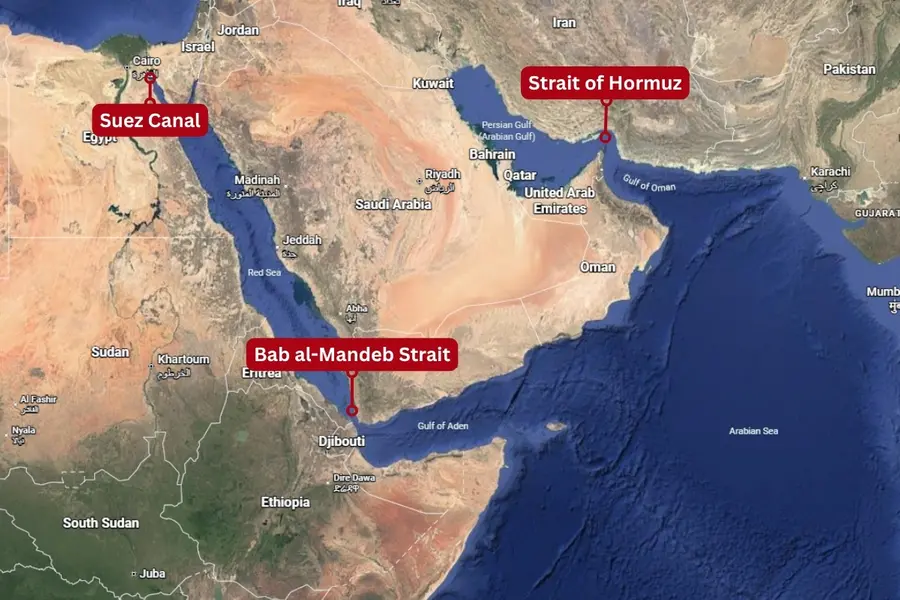
Sanaa: Tensions in the Middle East have now reached a critical tipping point as the Houthi government in Sanaa issued a definitive warning to the international community. The Bab al-Mandeb Strait, a primary artery for global trade, may be fully closed if the Trump administration continues to obstruct peace in the region, as per reports from Al Jazeera.
In a statement posted to X, Hussein al-Ezzi, the Deputy Foreign Minister of the Houthi government, stated that the group possesses the military capability to halt all traffic through the narrow waterway. "If Sanaa decides to close the Bab al-Mandeb, then all of mankind and jinn will be utterly powerless to open it," al-Ezzi wrote. "It is best for Trump—and the complicit world—to immediately end all practices and policies that obstruct peace," he wrote.
A Critical Maritime Chokepoint
The Bab al-Mandeb connects the Red Sea to the Gulf of Aden and is a vital shipping chokepoint that channels sea traffic towards the Suez Canal. It is 29km (18 miles) wide at its narrowest point, limiting traffic to two narrow channels for inbound and outbound shipments. This makes it one of the world’s most important routes for global seaborne commodity shipments, particularly crude oil and other fuels from the Gulf to the Mediterranean, as well as commodities bound for Asia.
The threat comes at a time when global energy markets are already volatile. Following the effective closure of the Strait of Hormuz earlier this year, the Bab al-Mandeb has become the last remaining viable exit for many Gulf oil exports. A coordinated or sequential disruption of both straits would constitute an unprecedented shock to global trade and energy markets.
ALSO READ: ‘15 minutes to war’: Iran claims it nearly opened fire on US minesweeper
Economic and Geopolitical Stakes
According to data from the Centre for Strategic and International Studies (CSIS), approximately 12% of total seaborne-traded oil and 20% of global container traffic passes through this strait. If the Houthis follow through on their threat, it would force nearly all maritime trade between Asia and Europe to reroute around the Cape of Good Hope in South Africa. This detour adds approximately 10 to 14 days to voyages and millions of dollars in fuel costs, leading to a sharp rise in global shipping rates and commodity prices.
The closure would be particularly consequential for Saudi Arabia, which has used its East-West pipeline to mitigate the effects of the Hormuz blockade by moving oil to the Red Sea. A closure at Bab al-Mandeb would effectively trap those exports. Additionally, Egypt faces a direct threat to its national economy as it relies heavily on Suez Canal transit fees for foreign currency.
ALSO READ: ‘India benefited from strong ties’: Iran envoy downplays tanker incident, calls for de-escalation
Diplomatic Deadlock
The Houthi leadership has linked the security of the Red Sea to the broader actions of the United States and the ongoing regional conflicts. While international mediators have been pushing for a political settlement, Houthi officials remain firm that they will use the strait as a pressure tool against what they describe as foreign aggression.
Published: 19 Apr 2026, 11:12 am IST
Related Topics
Disclaimer: Kindly avoid objectionable, derogatory, unlawful and lewd comments, while responding to reports. Such comments are punishable under cyber laws. Please keep away from personal attacks. The opinions expressed here are the personal opinions of readers and not that of Mathrubhumi.
