
Fitch Ratings has projected that global oil prices will remain above $100 per barrel until July 2026 amid the ongoing Strait of Hormuz disruption, before sharply declining once the waterway reopens.
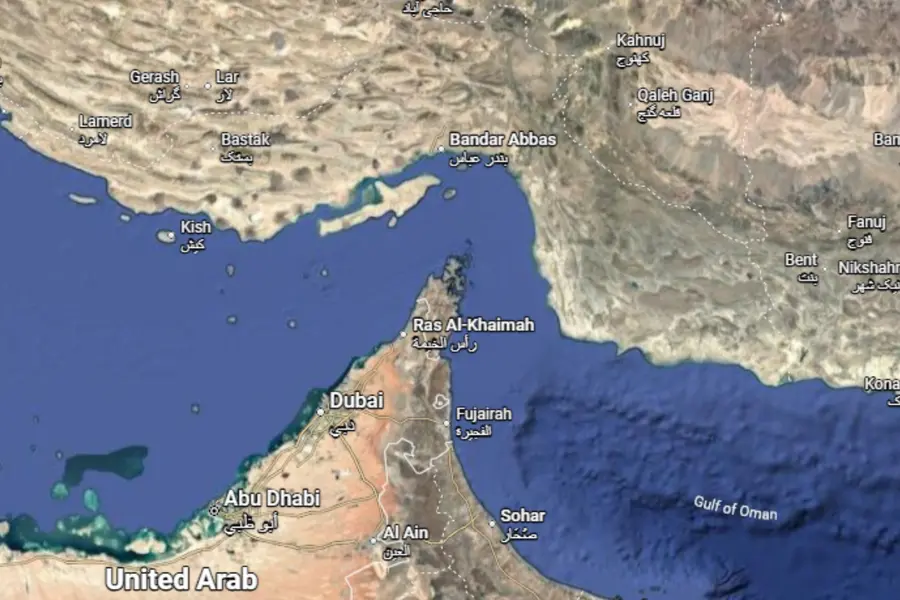
A new report from Fitch Ratings indicates that global oil prices are expected to plummet as soon as the Strait of Hormuz reopens, which the agency anticipates will occur around the end of July 2026.
This reopening would mark the end of an effective five-month closure that has caused a temporary logistical supply shock.
Also Read

Price forecasts and market shifts
Fitch's base case for Brent oil projects an average price of $87 per barrel (bbl) for 2026. However, the immediate price path shows significant volatility based on the status of the Strait: May–July 2026: Prices are expected to average between 100–110/bbl.
August 2026: A sharp drop to $80/bbl is forecast following the reopening.
September 2026 onwards: Prices are projected to fall to approximately $70/bbl as the market returns to a state of oversupply.
By the fourth quarter of 2026, Fitch expects the market to reach a surplus of about 4 mmbpd.
Impact of the Hormuz blockade
The closure of the Strait by Iran has blocked the transit of 20 million barrels of oil equivalent per day (mmboed), which includes 15 million barrels per day (mmbpd) of crude oil and 5 mmbpd of oil products. This volume represents approximately 20% of global oil consumption.
Asia has been the hardest hit by the disruption, as the region accounted for 91% of the oil sold through the Strait before the conflict . Specifically, China and India were the destinations for half of the exported volumes, with China taking 32% and India 15%.
Resilience and mitigation strategies
Despite the massive disruption, several factors have helped balance the market during the closure: Pipeline Bypasses: Saudi Arabia and the UAE have utilized pipelines to bypass the Strait, providing approximately 4.5 mmbpd of spare capacity.
Inventory Releases: The International Energy Agency (IEA) released 400 million barrels of emergency oil stocks in March. Global oil stocks stood at a high of 8.2 billion barrels in January 2026, enough to offset Hormuz-disrupted volumes for over a year.
- Demand Destruction: Fitch estimates a demand destruction of 5 mmbpd (about 5% of global demand) during the closure period.
- Supply Response: Non-OPEC supply growth, including an additional 1 mmbpd from countries like Kazakhstan and Venezuela, has helped mitigate the shock.
Structural shifts in the oil market
Fitch highlights that the oil market is now more resilient to Middle Eastern disruptions than in previous decades due to major structural shifts. OPEC's share of global production has fallen to 34% in 2024 from 47% in 1970, while the US share has risen to 21% from just 10% in 2000.
Additionally, the transition to green energy is slowing demand growth. Global electric vehicle (EV) sales are expected to reach 23 million in 2026, accounting for roughly 30% of all car sales worldwide.
The risk to oil prices remains "binary," meaning they are heavily dependent on the exact timing of the Strait's reopening. Analysts note that there has been no material damage to regional oil infrastructure so far, suggesting that production could return to normalized levels within several weeks of the reopening.
"Oil price dynamics hinge on the timing of Hormuz reopening," stated Angelina Valavina, Managing Director at Fitch Ratings, adding, "Our assumed end of July reopening would push the market back into oversupply in 4Q26 and drive oil prices lower".
Published: 10 Jun 2026, 02:27 pm IST
Related Topics
Disclaimer: Kindly avoid objectionable, derogatory, unlawful and lewd comments, while responding to reports. Such comments are punishable under cyber laws. Please keep away from personal attacks. The opinions expressed here are the personal opinions of readers and not that of Mathrubhumi.