
Florida Governor Ron DeSantis directs state universities to end H-1B visa use, prioritizing residents for job opportunities
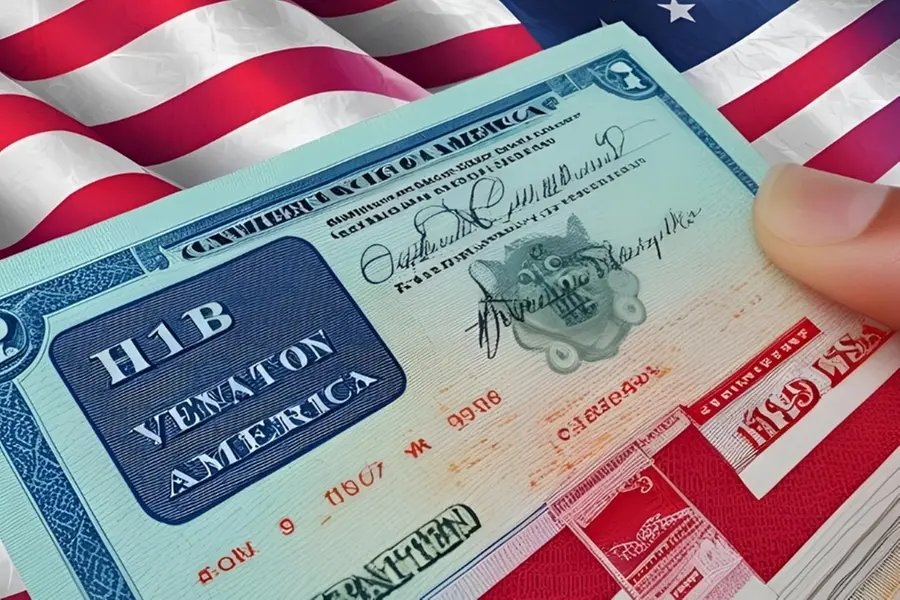
Washington: Florida Governor Ron DeSantis has directed state universities to stop using the H-1B visa programme, saying jobs held by visa holders should instead go to residents of Florida.
Speaking at a press conference at the University of South Florida in Tampa on Wednesday, DeSantis said the decision was meant to ensure that Florida citizens are “first in line for job opportunities.”
He said state universities must now give preference to local candidates instead of hiring international workers through the H-1B visa scheme, which allows US institutions to employ foreign professionals in specialised roles.
DeSantis added that the state’s review had found university employees on H-1B visas working in various capacities, including as assistant professors, analysts, coordinators, and staff members in athletics and communications departments.
What concerns did DeSantis raise about H-1B hires?
The governor questioned whether such roles genuinely required specialised skills that could not be found within Florida’s own talent pool.
“Why are we bringing people in to assess our accreditation on an H-1B visa? We can’t do that with our own people?” he asked, criticising the practice as “cheap labour” and urging university leaders to review their hiring policies.
According to DeSantis, the state’s findings showed H-1B employees from countries including China, Spain, Poland, the United Kingdom, Canada, and Albania. He cited specific examples such as a psychologist, a bio-analytical core director, a coastal research specialist, and a communications manager employed under the visa category.
What recent changes have affected the H-1B visa policy?
DeSantis’s announcement came shortly after the US Department of Homeland Security issued new guidance on the $100,000 H-1B application fee, which included several exemptions.
The updated rules state that workers changing to H-1B status from other visa types, such as the F-1 student visa, will not have to pay the $100,000 fee.
Similarly, current H-1B visa holders applying for amendments, extensions, or changes of status within the United States will also be exempt.
The guidelines also confirmed that current H-1B holders will not be restricted from entering or leaving the country.
How has the federal government responded?
The White House, reaffirming President Donald Trump’s stance, said last week that reforming the H-1B programme remains focused on putting “American workers first.”
The administration also pledged to continue defending its policies against legal challenges. Two significant lawsuits, including one filed by the US Chamber of Commerce, are currently in court contesting the administration’s visa restrictions.
What does this mean for Florida’s universities?
The move could lead to significant changes in how Florida universities recruit and retain faculty and staff. The directive signals a stronger push toward hiring within the state while limiting the participation of foreign professionals on H-1B visas in academic and administrative roles.
IANS Inputs
Published: 29 Oct 2025, 10:51 pm IST
Related Topics
Disclaimer: Kindly avoid objectionable, derogatory, unlawful and lewd comments, while responding to reports. Such comments are punishable under cyber laws. Please keep away from personal attacks. The opinions expressed here are the personal opinions of readers and not that of Mathrubhumi.
