
Trump has signed fresh executive orders on birthright citizenship and birth tourism, but most Indian H-1B families will see no immediate change because existing constitutional protections remain in force while the measures are expected to face legal challenges.
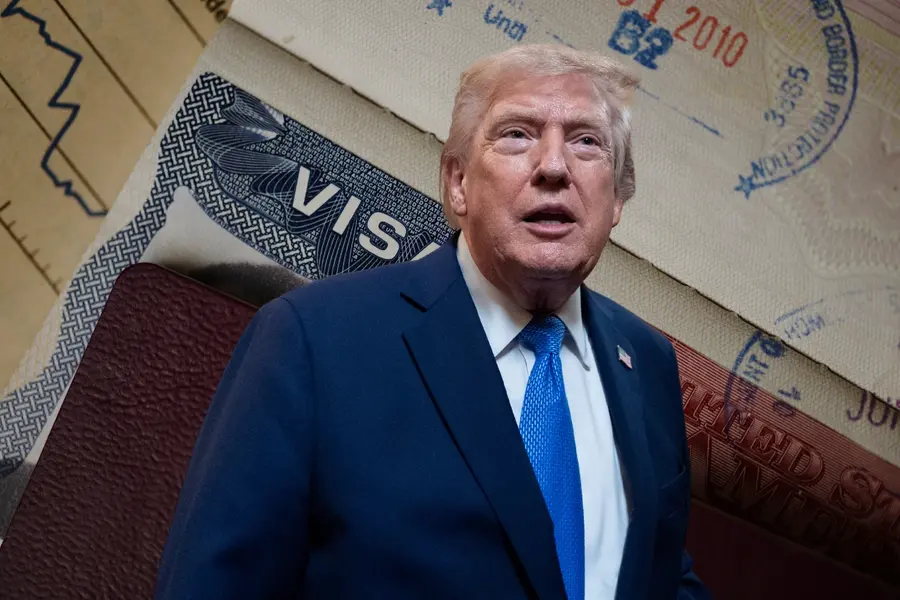
US President Donald Trump has signed fresh executive orders targeting birthright citizenship and so-called "birth tourism", but despite renewed legal and political debate, the changes do not currently affect most Indian professionals living and working in the United States on H-1B and other legal visas.
What has Trump signed?
Also Read

On August 6, Trump signed two executive actions.
The first seeks to narrow the categories of people whose children can automatically receive US citizenship at birth. According to the administration, the order is aimed at specific groups such as foreign government agents, members of foreign terrorist organisations, individuals classified as "alien enemies", and people accused of obtaining immigration status through fraud.
The second order targets "birth tourism" by directing authorities to tighten scrutiny of visitor visa applications from people believed to be travelling primarily to give birth in the United States so their child can obtain American citizenship.
Why Indian H-1B families are largely unaffected
Despite the announcement, the orders do not change the legal status of children born in the United States to parents who are legally present on visas such as H-1B, H-4, L-1, L-2, F-1 or other authorised temporary visas.
These visa holders are lawfully living and working or studying in the country and are not considered "birth tourists". Under current constitutional protections, a child born in the US to such parents continues to receive US citizenship at birth.
The Supreme Court remains the key reason
The biggest reason the latest orders do not immediately affect Indian H-1B families is that Trump's earlier attempt to restrict birthright citizenship remains blocked.
Earlier in 2026, the US Supreme Court rejected Trump's broader executive order that sought to deny automatic citizenship to many children born to non-citizens. The court reaffirmed that the Citizenship Clause of the 14th Amendment continues to protect people born on US soil, with only very limited historical exceptions.
Because of that ruling, any new attempt to significantly restrict birthright citizenship through executive action is expected to face fresh legal challenges before it could take effect.
Could Indian visitors face more scrutiny?
Although H-1B professionals are unlikely to see immediate changes, Indian travellers applying for B1/B2 visitor visas may experience closer scrutiny.
US consular officers could examine applications more carefully if they suspect the primary purpose of travel is to give birth in America. Families visiting relatives during pregnancy or after childbirth may also be asked additional questions or required to provide documents explaining the purpose of their visit.
The tighter screening could result in longer visa processing times and additional questioning upon arrival at US airports.
Legal battle far from over
Civil rights organisations, including the American Civil Liberties Union (ACLU), have already indicated that they believe Trump's latest executive actions are unconstitutional and are expected to challenge them in federal court.
Legal experts also point to more than a century of constitutional precedent, including the landmark 1898 Supreme Court ruling in United States v. Wong Kim Ark, which broadly interpreted the 14th Amendment to guarantee citizenship to most children born on US soil, regardless of their parents' nationality or immigration status.
H-1B visa fee: What is the new cost and who pays it
The debate over the H-1B visa fee has added another layer of uncertainty for Indian professionals and US employers that rely on skilled foreign workers. The Trump administration had introduced a proposed $100,000 fee for new H-1B visa petitions, arguing that it would reduce misuse of the programme and prioritise American workers. However, a US federal judge later struck down the fee, ruling that the executive branch did not have the authority to impose what the court considered an unauthorised tax. The issue remains significant for Indian IT professionals, who form one of the largest groups of H-1B beneficiaries, as companies continue to monitor possible changes in visa costs, renewals and hiring strategies.
What Indian families should know
For now, Indian professionals working in the US on H-1B, L-1, F-1 and other valid visas do not lose birthright citizenship protections for children born in the country.
Trump's latest executive actions mainly reopen the constitutional and political debate over birthright citizenship while focusing on alleged birth tourism and a narrow set of exceptional categories. Unless courts uphold these new restrictions or the Constitution itself is amended, children born in the United States to Indian parents on valid visas continue to be eligible for US citizenship at birth under existing law.
Published: 07 Aug 2026, 01:32 pm IST
ABOUT THE AUTHOR
Disclaimer: Kindly avoid objectionable, derogatory, unlawful and lewd comments, while responding to reports. Such comments are punishable under cyber laws. Please keep away from personal attacks. The opinions expressed here are the personal opinions of readers and not that of Mathrubhumi.