
Israeli authorities have vowed to block the ships from reaching Gaza, asserting that the blockade is necessary to prevent arms importation by Hamas.
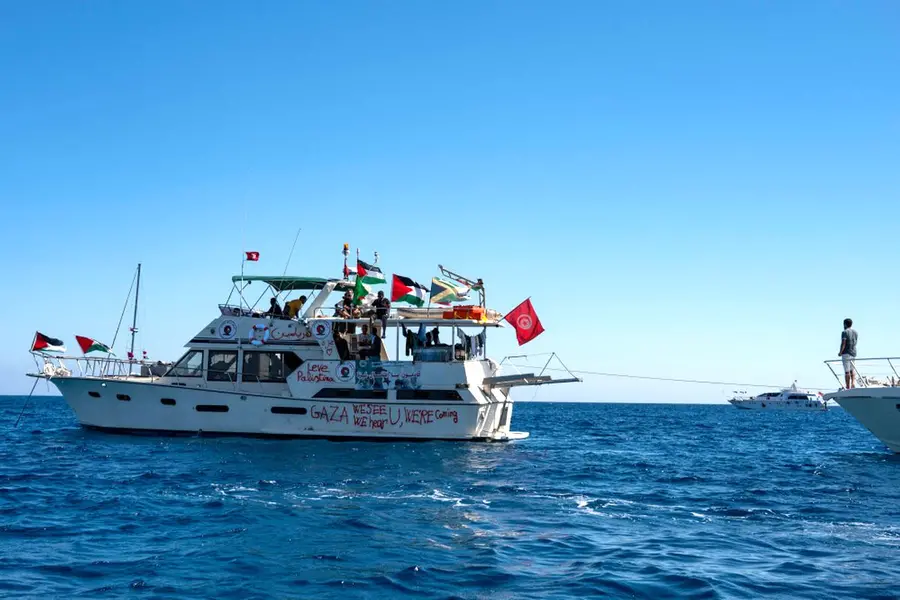
A large humanitarian convoy known as the Global Sumud Flotilla is currently sailing toward the Gaza Strip, operating under high alert after reports of harassment by an Israeli warship. The mission is an attempt to break the 18-year-long Israeli maritime blockade of the Palestinian territory.
Flotilla's Objective and Size
The flotilla is the largest effort of its kind to date. It consists of approximately 50 vessels carrying an estimated 500 activists from dozens of countries.
While the ships carry a symbolic cargo of humanitarian aid, including food and medicine, the core objective is political: to challenge the legality and consequences of the blockade and draw global attention to the deepening humanitarian catastrophe in Gaza.
The vessels set sail from Barcelona, Spain, on September 1. High-profile participants include Swedish climate activist Greta Thunberg, former Barcelona Mayor Ada Colau, and Mandla Mandela, the grandson of Nelson Mandela.
Warnings and Security Incidents
Organizers are anticipating an imminent interception by Israeli forces, a tactic previously used to stop such attempts. Tensions have been heightened by several reported incidents during the journey:
Warship Harassment: The flotilla reported that two of its vessels were harassed by an Israeli warship overnight this past Wednesday.
Drone Attacks: The activist group claims their boats were targeted by drones on three occasions: twice off Tunisia and once south of Greece. During the Greek incident, activists reported hearing "at least 13 explosions" and experiencing "widespread obstruction in communications."
Diplomatic Standoff
Israeli authorities have vowed to block the ships from reaching Gaza, asserting that the blockade is necessary to prevent arms importation by Hamas. Israeli Foreign Ministry official Eden Bar Tal called the flotilla a "provocation" that serves Hamas, adding that Israel "will not allow any vessel to enter the active combat zone."
Why has this created diplomatic friction?
Spain and Italy, which initially sent navy ships to escort the flotilla, have publicly urged the activists to turn back, warning that breaching the naval blockade could undermine ongoing diplomatic efforts to resolve the war.
The flotilla rejected an alternative aid offer from Rome to deliver the supplies via Cyprus, calling the suggestion "sabotage."
International Bodies like the UN Human Rights Office and the European Union have intervened, warning against the use of force and stressing the importance of upholding the freedom of navigation under international law.
Colombia's President Gustavo Petro also demanded respect for the safety of the civilians on board.
The situation carries historical weight, recalling the 2010 Israeli commando raid on the Mavi Marmara -- another aid vessel -- which resulted in the deaths of ten Turkish citizens and one Turkish-American.
Published: 01 Oct 2025, 03:50 pm IST
Related Topics
Disclaimer: Kindly avoid objectionable, derogatory, unlawful and lewd comments, while responding to reports. Such comments are punishable under cyber laws. Please keep away from personal attacks. The opinions expressed here are the personal opinions of readers and not that of Mathrubhumi.
