
Born in Chendamangalam, Kerala, Bezalel emigrated to Israel in 1955 at the age of 25. Though he built his life abroad, he remained deeply attached to his Malayali roots.
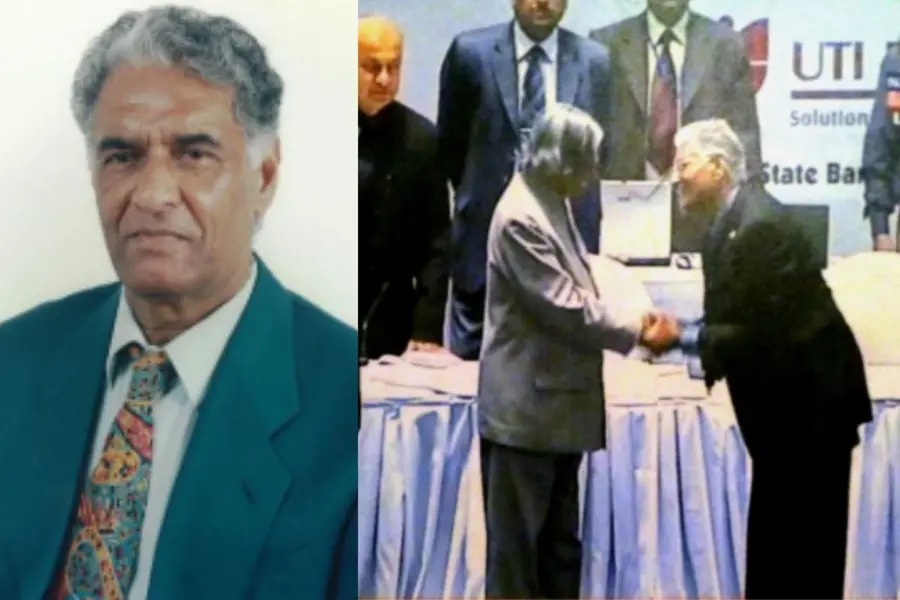
Jerusalem: Eliyahu Bezalel, the Indian-origin entrepreneur and pioneering agriculturist who transformed Israel’s Negev desert into fertile farmland, passed away on Sunday at the age of 95.
Born in Chendamangalam, Kerala, Bezalel emigrated to Israel in 1955 at the age of 25. Though he built his life abroad, he remained deeply attached to his Malayali roots, often recalling that his native village had “taught him the spirit of co-existence”.
Also Read

Bezalel’s journey was extraordinary. Beginning as a shepherd in Israel, he went on to establish himself as one of the country’s most celebrated agriculturists. In 1959, he began cultivating gladioli bulbs in the Negev, exporting them successfully to Holland. His innovations soon earned him recognition, including the Best Exporter award from Prime Minister Levi Eshkhol in 1964 and Israel’s Kaplan Prize in 1994.
In 2006, India honoured him with the Pravasi Bharatiya Samman, the nation’s highest civilian award for non-resident Indians. “I am proud to be an Indian,” he told PTI at the time, adding that his children and grandchildren identified themselves proudly as Kochiites and Indians, heirs to a culture that embraced all faiths and was free of anti-Semitism.
Bezalel’s farm in southern Israel became a showcase for Indian visitors, attracting dignitaries such as former Prime Minister H. D. Devegowda, agriculture minister Sharad Pawar and renowned scientist MS Swaminathan. Since 1971, he frequently travelled to India to lecture and share horticultural techniques, many of which were later adopted by Indian farmers.
Also read: The Man who Hears the Soil: Dr Kodoth Prabhakaran Nair
His contributions extended beyond farming. In 1969, he was sent to England by Israel’s agriculture ministry to study horticulture. On his return, he co-founded Israel’s first modern greenhouse, laying the foundation for a sector that would become globally recognised. Later, he spearheaded rose exports to Holland, helping Israel emerge as one of the world’s leading suppliers.
The Indian Jewish Heritage Centre and the Cochin Jewish Heritage Centre, in their obituary, hailed him as a “beloved son of the Malabari Jewish community”. They noted his writings, including ‘My Motherland My Fatherland’, which reflected his enduring bond with both India and Israel.
Bezalel spent his final years with his daughter in Kidron and had been unwell for some time. His life, remembered for humility, perseverance and devotion to family and work, stands as a testament to the enduring spirit of Kerala’s Malabari Jews and their global legacy.
PTI
Published: 18 Nov 2025, 12:11 pm IST
Disclaimer: Kindly avoid objectionable, derogatory, unlawful and lewd comments, while responding to reports. Such comments are punishable under cyber laws. Please keep away from personal attacks. The opinions expressed here are the personal opinions of readers and not that of Mathrubhumi.