
A 7.1 magnitude earthquake struck southern Japan's Kyushu region, triggering tsunami warnings and emergency alerts. Authorities are assessing damage and casualties.
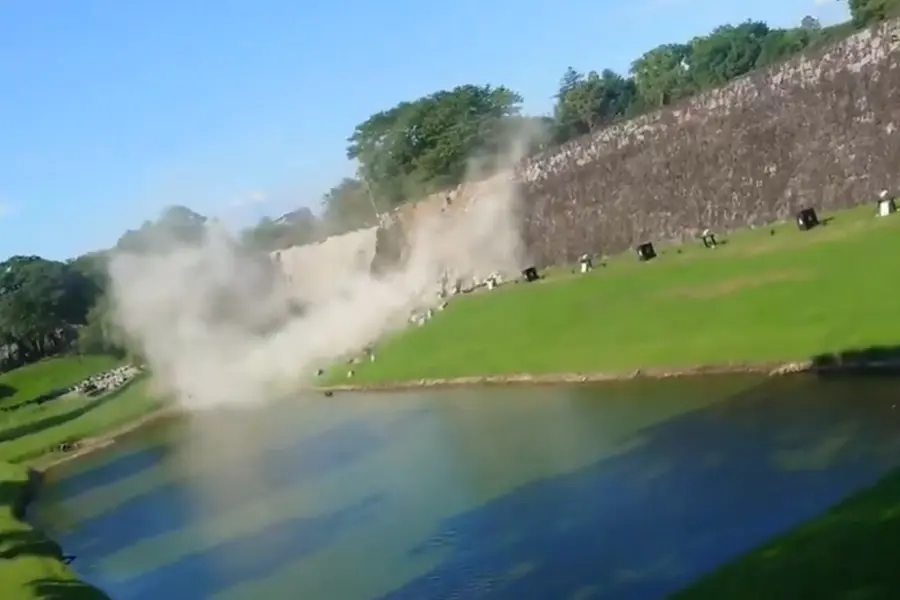
Tokyo: A strong earthquake measuring 7.1 magnitude struck southern Japan on Tuesday, triggering tsunami warnings and emergency alerts across parts of Kyushu, the country's southernmost main island.
According to preliminary information from seismological agencies, the earthquake occurred around 5 kilometres east of Uto in Kumamoto Prefecture. Details regarding the depth of the quake, casualties and the extent of damage were awaited as authorities began assessments.
Also Read

Tsunami warning issued after Kyushu quake
The Japan Meteorological Agency (JMA) issued a tsunami warning following the earthquake and advised residents in coastal areas around the Ariake Sea and Yatsushiro Sea to move away from the shoreline.
Officials warned that tsunami waves of up to 1 metre could reach affected coastal areas and urged people to follow evacuation guidance until the alert was lifted.
Emergency alerts issued across prefectures
Emergency earthquake warnings were issued in several prefectures on Kyushu island, including Nagasaki, Kagoshima and Fukuoka.
Local authorities began monitoring infrastructure, coastal areas and public facilities for possible damage caused by the powerful tremor.
ALSO READ | Poll suggests Trump's Iran strategy faces growing resistance in US; 79% oppose sending ground troops
Train services suspended
Railway operations were temporarily affected after the earthquake.
JR Kyushu suspended several services, including Shinkansen bullet train operations, as a precaution while safety inspections were carried out. Transport authorities were expected to assess tracks, stations and other infrastructure before resuming normal services.
Kyushu Electric Power said initial checks found no irregularities at the Sendai and Genkai nuclear power plants following the earthquake. Japan maintains strict safety monitoring systems for nuclear facilities due to its history of major earthquakes and tsunami-related disasters.
Japan is one of the world's most earthquake-prone countries and has developed advanced warning systems, strict building standards and disaster preparedness measures to reduce the impact of major seismic events. The country frequently experiences earthquakes due to its location along the Pacific "Ring of Fire", a zone known for intense tectonic activity.
Authorities continued monitoring the situation, with further updates expected on possible damage, aftershocks and tsunami risks.
Published: 28 Jul 2026, 02:00 pm IST
ABOUT THE AUTHOR
Related Topics
Disclaimer: Kindly avoid objectionable, derogatory, unlawful and lewd comments, while responding to reports. Such comments are punishable under cyber laws. Please keep away from personal attacks. The opinions expressed here are the personal opinions of readers and not that of Mathrubhumi.