
Technically, any baptised Catholic male can be elected pope, though the last non-cardinal to be chosen was Archbishop Bartolomeo Prignano of Bari, who became Urban VI in 1378.
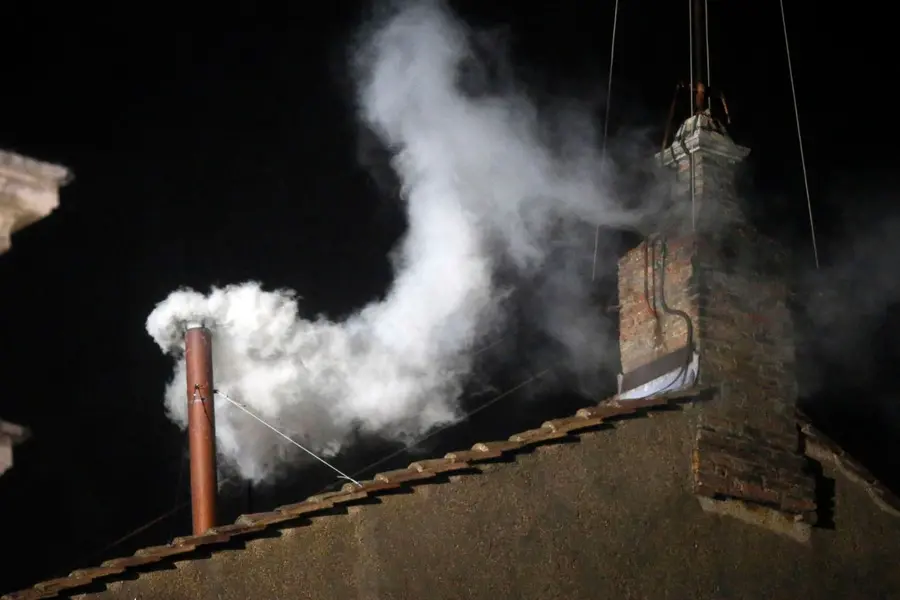
Vatican City: When cardinals gather to elect a successor to Pope Francis, their task will be far more comfortable than that of many who came before them — some of whom were locked away for weeks under harsh conditions, with a few even dying during the process.
Here’s a look back at some of the most remarkable papal elections across history.
The tradition of unusual and divine signs dates back to the year 236, when a white dove alighted on the head of a man named Fabian during a gathering of Roman Christians. According to Church historian Eusebius, “At this, everyone, as if moved by a single divine inspiration, eagerly and wholeheartedly called out that Fabian was worthy.” Fabian was later martyred under Emperor Decius, dying 14 years after his election.
In the early centuries of Christianity, the election of popes was influenced heavily by the Roman clergy and nobility, often mired in political interference. The 532 election, following the death of Boniface II, was notably marred by “large-scale bribing of royal officials and influential senators”, writes P G Maxwell-Stuart in Chronicle of the Popes. Ultimately, an ordinary priest named Mercurius was chosen, becoming the first to adopt a new papal name: John.
It wasn’t until 1059 that the exclusive right to elect popes was granted to the College of Cardinals, under the reforms of Pope Nicholas II.
The idea of confining cardinals to hasten decision-making began in the 13th century — the term "conclave" derives from the Latin for "with a key”. During the drawn-out 1241 election, Roman officials locked cardinals in a crumbling structure, denied medical care to the sick, and withheld proper sanitation. Frederic Baumgartner, in Behind Locked Doors: A History of the Papal Elections, recounts that the impasse ended only after one cardinal died and locals threatened to dig up the body to force a decision. Goffredo Castiglioni was ultimately chosen, taking the name Celestine IV.
One of the lengthiest elections came after Pope Clement IV’s death in 1268, stretching nearly three years in Viterbo. In a bid to break the deadlock, locals removed the building’s roof in 1270 — apparently inspired by a joke from an English cardinal who said the Holy Spirit might descend more freely without it. Teobaldo Visconti was elected in 1271 as Gregory X.
Reacting to the chaos of his own election, Gregory X instituted strict conclave rules: cardinals had to assemble within 10 days of a pope’s death, and their meals would be reduced if they delayed. After three days, they would be served only one of the two traditional Italian main courses; after five, just bread, water and wine, as detailed in John L Allen's Conclave. Cardinals were also denied access to personal income during the election.
Since 1878, conclaves have taken place in the Sistine Chapel within the Apostolic Palace. In the past, cardinals slept in temporary cubicles with camp beds, sharing one bathroom for every 10 electors. Windows were sealed shut, but during a sweltering conclave in August 1978, cardinals nearly revolted until they were allowed to open them.
The discomfort prompted changes. Following his election later that year, John Paul II commissioned the $20 million Domus Sanctae Marthae guesthouse inside Vatican City, where cardinals now stay during conclaves. Pope Francis also chose to live there instead of the papal apartments. While more comfortable, the rooms’ windows are still sealed for the duration of voting.
Technically, any baptised Catholic male can be elected pope, though the last non-cardinal to be chosen was Archbishop Bartolomeo Prignano of Bari, who became Urban VI in 1378.
Not all who were chosen welcomed the role. When Albino Luciani became John Paul I in 1978, his first words were: “May God forgive you for what you have done!” He died just 33 days later.
John Paul II, after his election later that year, reportedly celebrated with champagne and Polish folk songs. In 2005, after becoming pope, Benedict XVI invited the cardinals to stay for a celebratory dinner, complete with champagne and singing, as recalled by the late Cardinal Cormac Murphy-O’Connor.
In more recent times, conclaves have been much shorter. The longest of the 20th century — in 1922 — lasted five days, resulting in the election of Pius XI. In 2005, Benedict XVI was chosen after just four rounds of voting over two days, and Pope Francis was elected in 2013 in five ballots, also within two days.
Published: 05 May 2025, 10:07 am IST
Related Topics
Disclaimer: Kindly avoid objectionable, derogatory, unlawful and lewd comments, while responding to reports. Such comments are punishable under cyber laws. Please keep away from personal attacks. The opinions expressed here are the personal opinions of readers and not that of Mathrubhumi.
