
Cuba’s tourism and aviation sectors are facing a severe crisis as jet fuel shortages at key airports, driven by intensified US sanctions and disrupted oil supplies
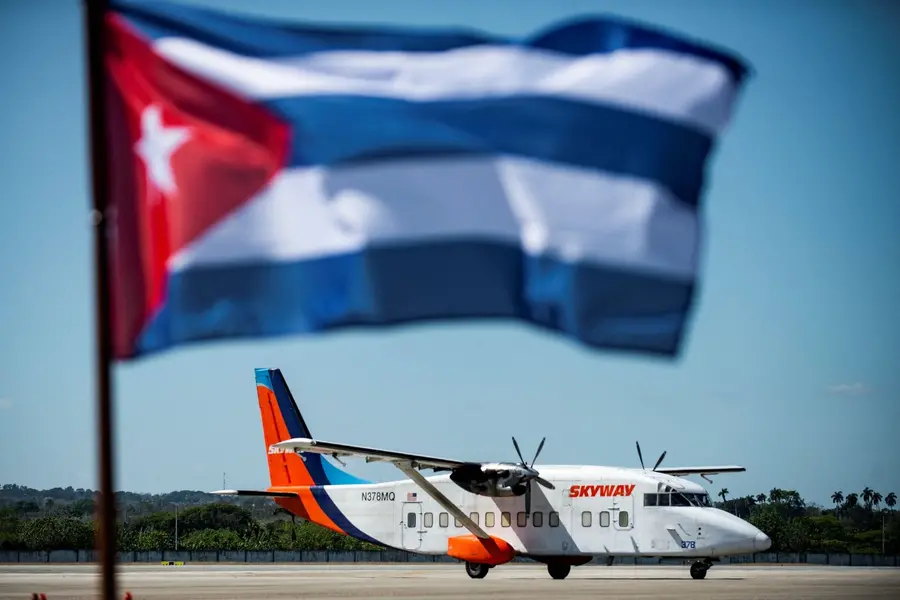
Cuba, once one of the most popular holiday destinations in the Caribbean, is facing a serious crisis due to fuel shortages caused by tougher US sanctions. The situation has led to flight cancellations, long power cuts, and growing concern among tourists and travel companies.
Why is Cuba facing a fuel shortage?
Also Read

The crisis began after the United States seized the Venezuelan president, Nicolas Maduro, earlier this year, disrupting Cuba’s main source of oil. Mexico tried to step in and supply fuel, but a new executive order issued by US President Donald Trump on 30 January warned of punitive tariffs on any country supplying oil to Cuba. As a result, fuel supplies to the island have sharply declined.
What impact has this had on flights?
Cuba’s aviation authorities issued a Notice to Air Missions (Notam) stating that aviation fuel (Jet A1) will not be available at major airports, including Havana, Varadero, Santiago de Cuba, Holguin, Santa Clara, and Cayo Coco, from 5am GMT on Tuesday until 11 March.
Due to this, Air Canada has cancelled all its 32 weekly flights to and from Cuba. WestJet, another Canadian airline, has also begun cancelling flights. British travellers who booked through these airlines are eligible for full refunds.
What about passengers already in Cuba?
Airlines are operating special “ferry flights” to bring stranded passengers’ home. Some aircraft are carrying extra fuel for the outward journey and, if needed, stopping in nearby countries such as the Bahamas to refuel before returning.
Most European flights to Cuba come from Madrid, Paris, Istanbul, and Moscow. Airlines such as Iberia, Air Europa, Air France, Turkish Airlines, and Rossiya are likely to continue operations but may make technical stops to refuel on the return journey.
What is happening on the island itself?
The UK Foreign Office has warned that Cuba is experiencing widespread and prolonged power cuts, sometimes lasting more than 24 hours. These outages affect water supply, lighting, refrigeration, and communication networks.
There is also a shortage of fuel for vehicles, leading to long queues at petrol stations. Resorts and businesses, which often rely on diesel generators, are also struggling.
From 7 February 2026, the Cuban government has imposed strict limits on fuel purchases, making travel within the country more difficult. Some tourists are reportedly being moved between hotels to reduce fuel usage.
If you have booked only a flight and it is still operating, airlines are not required to offer a refund. If you have booked a holiday package and your travel company can still deliver the trip as planned, refunds are not guaranteed.
However, if the situation makes it impossible to carry out the itinerary, you should be offered the option to cancel. If the UK Foreign Office advises against travel to Cuba, travellers will be entitled to a full refund, and travel insurance will no longer be valid if they choose to go.
Published: 10 Feb 2026, 05:09 pm IST
Disclaimer: Kindly avoid objectionable, derogatory, unlawful and lewd comments, while responding to reports. Such comments are punishable under cyber laws. Please keep away from personal attacks. The opinions expressed here are the personal opinions of readers and not that of Mathrubhumi.