
China has denied failing to warn Nepal before the deadly Rasuwa floods, calling the allegation “fake news” and saying an earthquake triggered an ice avalanche and mudslides.
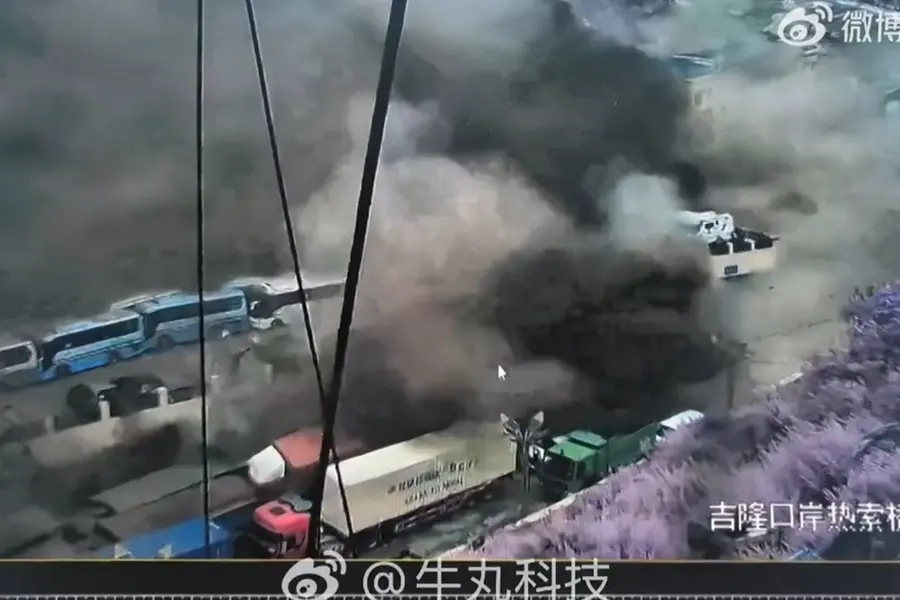
China has rejected claims that it failed to warn Nepal before the deadly floods in Rasuwa, calling the allegation “fake news” as the two countries continue rescue and relief efforts along their border.
Beijing said the disaster was triggered by an earthquake on the Nepali side, followed by an ice avalanche and mudslides in the Gyirong-Rasuwagadhi border region. The Chinese Embassy in Nepal said the sequence caused casualties and left people missing on both sides.
Also Read

China denies failing to warn Nepal
The Chinese Embassy dismissed allegations that Beijing did not provide an early warning to Nepal before the disaster.
The embassy's spokesperson said blaming each other would not help the situation and stressed the need for cooperation in dealing with the disaster. China said it was working with Nepal on disaster assessment, search and rescue and emergency response.
Chinese Ambassador to Nepal Zhang Maoming also expressed condolences to those killed and said China stood with Nepal during the crisis.
What does China say caused the floods?
According to China's preliminary assessment, an earthquake occurred on the Nepali side on the morning of August 26. The embassy said the earthquake triggered an ice avalanche, which subsequently caused huge mudslides.
The Chinese side said the disaster affected both sides of the Gyirong-Rasuwagadhi border region.
Nepal is also examining the possibility that an earthquake triggered an avalanche and subsequent flooding, although authorities have said the information remains subject to verification.
China announces rescue and aid efforts
China said President Xi Jinping had ordered authorities to prioritise the search for missing people, evacuation of those at risk and treatment of the injured.
The Chinese Embassy said it activated its emergency response mechanism, sent a working team to the affected area and began coordinating emergency supplies and cash assistance for Nepal.
Chinese authorities, including the Ministry of Foreign Affairs, Ministry of Water Resources, China Meteorological Administration and Ministry of Emergency Management, are coordinating with their Nepali counterparts.
The Chinese Embassy said the disaster highlighted the need for stronger cooperation between Nepal and China on natural disasters.
It proposed better sharing of information on weather, hydrology and geological hazards, stronger cross-border early-warning mechanisms and improved coordination during emergency rescues.
China also called for greater cooperation in personnel training, technical exchanges and emergency supplies.
Situation on China's side
China said the disaster also caused significant losses on its side of the border. According to the Chinese Embassy, three people were dead and 558 were missing after a mudslide hit a border port in Xizang, while two people had been rescued.
The dispute over whether Nepal received an adequate warning adds a sensitive dimension to an already severe cross-border disaster. The key issue is whether information about any geological or seismic event was available early enough to be communicated and acted upon before the flooding and mudslides occurred.
Both sides are now emphasising cooperation rather than blame. China's call for improved cross-border monitoring and early-warning systems could become an important part of discussions on disaster preparedness in the Himalayan region, where earthquakes, landslides, avalanches and glacial hazards can affect communities across national borders.
The exact chain of events behind the Rasuwa disaster is still being investigated, and preliminary explanations should not be treated as a final determination of the cause.
Published: 27 Aug 2026, 12:03 pm IST
ABOUT THE AUTHOR
Related Topics
Disclaimer: Kindly avoid objectionable, derogatory, unlawful and lewd comments, while responding to reports. Such comments are punishable under cyber laws. Please keep away from personal attacks. The opinions expressed here are the personal opinions of readers and not that of Mathrubhumi.