
Nepal floods have raised concern in Bihar as water enters the Gandak. Here is why Bihar is vulnerable, which areas are at risk and how the state is preparing.
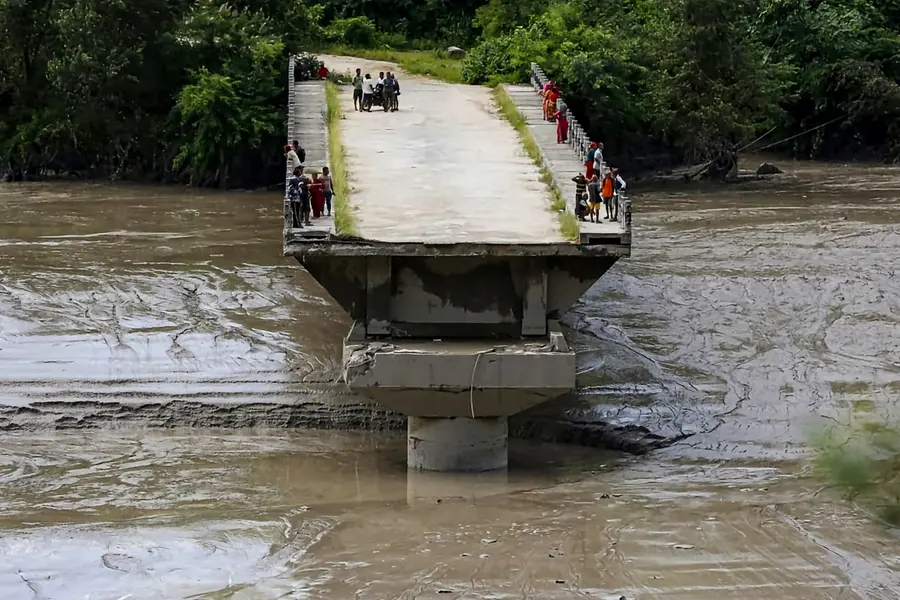
A massive flash flood in Nepal has put Bihar on high alert, with authorities closely monitoring the Gandak River and vulnerable areas along its course. Floodwaters from Nepal entered the Gandak and reached the Gandak Barrage at Valmikinagar in West Champaran, prompting officials to open all 36 gates to manage the surge.
By 11 pm on Wednesday, around 1.50 lakh cusecs of water had been released from the barrage, the highest discharge recorded there on Wednesday. Officials said the flow is expected to start receding, but teams remain on alert through the night.
Why does flooding in Nepal affect Bihar?
The connection is the Gandak river system.
The flood originated in the Bhote Koshi River in Nepal. The Bhote Koshi flows into the Trishuli river system, which becomes the Narayani in Nepal before entering India at Valmikinagar in West Champaran. After entering Bihar, the river is known as the Gandak.
This means a major flood upstream in Nepal can quickly increase water levels in the river system flowing into northern Bihar.
The location of the Gandak Barrage makes it a key point for managing the incoming water. The barrage has 36 gates that can be opened to regulate the flow and prevent an uncontrolled build-up of water.
Which parts of Bihar are being watched?
West Champaran is at the centre of the current situation as the Gandak enters Bihar through the district.
Authorities have also ordered special vigilance in East Champaran, Gopalganj, Saran, Muzaffarpur and Vaishali, along with other vulnerable districts including Sitamarhi and Sheohar.
Officials are monitoring: Gandak and other rivers, river water levels, embankments, low-lying areas, bridges and other vulnerable infrastructure, communities in flood-prone areas.
District administrations have been asked to alert residents in sensitive areas in time and keep evacuation arrangements ready.
What is the latest situation at the Gandak Barrage?
All 36 gates of the Gandak Barrage at Valmikinagar have been opened to facilitate the flow of water and manage the surge.
A technical team led by a Superintending Engineer has been deployed at the barrage.
Around 1.50 lakh cusecs was released by 11 pm on Wednesday. While this was the highest discharge recorded at the barrage that day, it was below the year's highest discharge of 2.24 lakh cusecs recorded on July 14.
For comparison, the barrage recorded a much higher discharge of 5.625 lakh cusecs on September 28, 2024.
Water Resources Department Secretary Chandrashekhar Singh said the situation was expected to remain normal, but teams were continuing to monitor the barrage, embankments and control room.
There was also no report of a rise in the Kosi River at the time, according to Deputy Chief Minister Vijay Kumar Choudhary.
How is Bihar preparing?
The state government moved into emergency preparedness soon after reports of the Nepal floods emerged.
Chief Minister Samrat Choudhary held a meeting with Chief Secretary Pratyaya Amrit and senior officials to review the situation. Officials were directed to maintain continuous monitoring and complete preparations for a possible emergency.
The Water Resources Department has ordered regular inspection of embankments and the stocking of essential materials.
District administrations have been asked to keep boats, evacuation plans, shelters and community kitchens ready.
Public address systems are being used in sensitive areas to issue alerts to residents.
The state is also preparing additional disaster-response support. An NDRF team is being sent to Gopalganj, while another is being kept on standby in Muzaffarpur. Arrangements are also being made for an NDRF team in Bettiah.
The Sashastra Seema Bal (SSB) has assured additional Quick Reaction Team support if required.
Why is Bihar watching the situation closely?
The immediate concern is not just the water coming from Nepal, but how that water interacts with Bihar's already vulnerable river network during the monsoon.
The Gandak is the main focus following the latest surge from Nepal. But several other rivers flowing from Nepal into Bihar also make the state vulnerable to transboundary flooding.
For now, authorities say the situation is expected to remain normal as water flow at the Gandak Barrage begins to recede. However, monitoring will continue as officials assess the movement of water downstream.
The state government has asked residents to remain alert but not panic, while district administrations and disaster-response teams remain prepared to act if water levels rise again.
With agency inputs
Published: 27 Aug 2026, 07:54 am IST
ABOUT THE AUTHOR

Related Topics
Disclaimer: Kindly avoid objectionable, derogatory, unlawful and lewd comments, while responding to reports. Such comments are punishable under cyber laws. Please keep away from personal attacks. The opinions expressed here are the personal opinions of readers and not that of Mathrubhumi.