
China targets AI, F-35 materials, and robotics in 15th Five-Year Plan to outpace US.
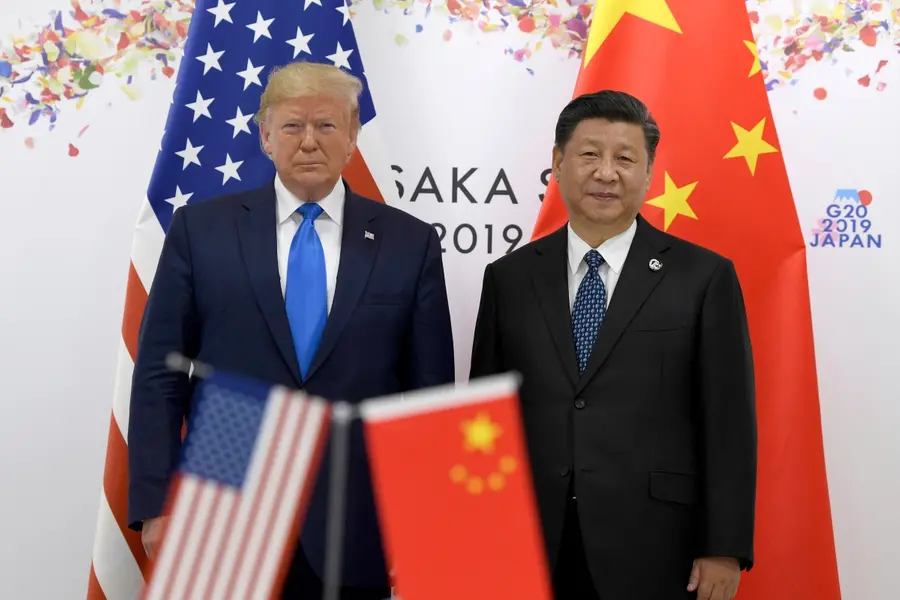
China is laying the foundations for global dominance in tomorrow’s tech, while the United States pours billions into weapons and radar for today’s conflicts, including recent US-Israeli mission against Iran. Its 15th Five-Year Plan is more than a budget—it is a roadmap to control laboratories, factories, and critical technology worldwide.
The digital shift
Also Read

The plan aims to embed artificial intelligence across the entire Chinese economy. Robots are set to fill gaps left by a shrinking workforce, while projects even explore linking human brains directly to computers.
While the US concentrates on producing advanced computer chips, China is building a broader toolkit. This includes quantum computing, 6G networks, and a strong push for open-source software. By leveraging shared technology, Beijing hopes to outpace American rivals and achieve breakthroughs in “core technologies,” reducing its reliance on Western components.
The material trap
Control of rare minerals is central to China’s strategy. A single F-35 stealth jet, for instance, requires hundreds of pounds of these materials. China currently processes nearly all of them and is increasingly restricting access for other nations.
As the US depletes stocks of interceptor missiles in overseas conflicts, Beijing is tightening its grip on the resources needed to produce more. If China combines its hold over these materials with advances in robotics and AI, the next global technological contest could be decided in warehouses long before fighter jets ever take off.
The goal is to create a system where the materials for ‘fire and fury’ remain firmly under Chinese control, analysts warn.
Published: 10 Mar 2026, 12:22 pm IST
Related Topics
Disclaimer: Kindly avoid objectionable, derogatory, unlawful and lewd comments, while responding to reports. Such comments are punishable under cyber laws. Please keep away from personal attacks. The opinions expressed here are the personal opinions of readers and not that of Mathrubhumi.