
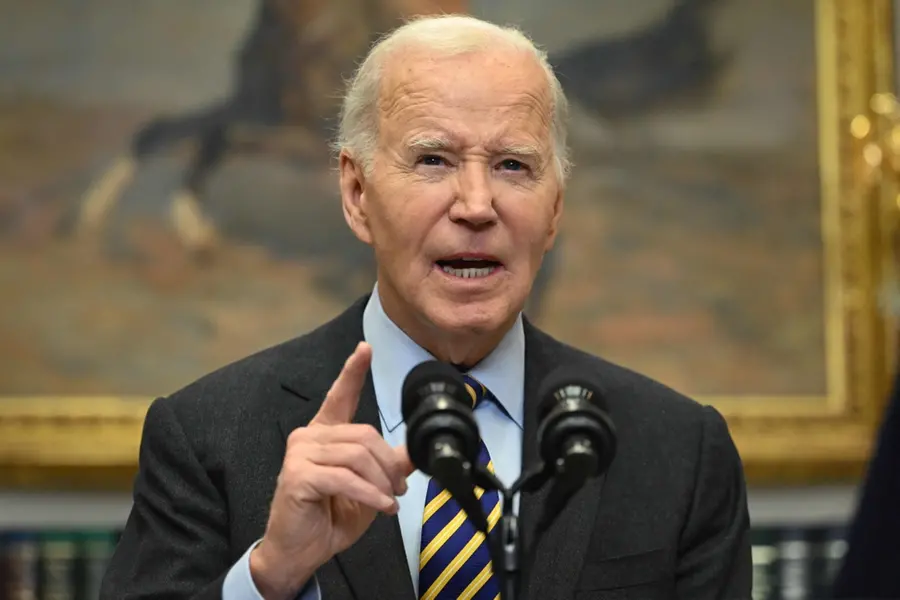
Washington, United States: US President Joe Biden has strongly criticized Meta’s decision to eliminate third-party fact-checking on Facebook and Instagram in the United States, calling the move "really shameful." This decision has raised concerns globally, with warnings about the potential harm it could cause if expanded to other countries.
Meta CEO Mark Zuckerberg's announcement on Tuesday that the company would stop using third-party fact-checkers in the US has drawn significant backlash. Instead, Meta will rely on a community-driven model called 'Community Notes,' similar to the one used by X. This move is seen as an attempt to appease conservative groups, especially President-elect Donald Trump’s supporters, who have long criticized fact-checking efforts as a way to censor right-wing content.
Also Read

Biden responded to the announcement, saying, “I think it's really shameful.” He added, “Telling the truth matters,” and emphasised that the decision went against the core values of America.
Global concerns and warnings of real-world harm
The International Fact-Checking Network (IFCN) has expressed alarm about the broader implications of Meta’s decision. In an open letter to Zuckerberg, IFCN warned that discontinuing fact-checking could lead to significant harm in countries highly vulnerable to misinformation. These include political instability, election interference, and even violence.
“If Meta decides to stop the program worldwide, it is almost certain to result in real-world harm in many places,” IFCN stated. The network includes AFP, which works alongside many fact-checking organizations worldwide.
Zuckerberg defends decision
Zuckerberg defended the move during an interview with podcaster Joe Rogan, comparing the fact-checking program to something out of George Orwell's dystopian novel 1984. He argued that the program, which began in 2016, was “destroying so much trust,” particularly in the US. He also expressed regret over giving “too much deference” to traditional media, which had suggested that social media misinformation influenced the 2016 election in Trump’s favor.
Zuckerberg further stated that fact-checkers were "too politically biased," leading to excessive censorship. However, IFCN rejected these claims, stressing that Meta's fact-checking partners follow strict nonpartisan guidelines.
Global reactions and legal concerns
The decision has also prompted action from various countries. Brazil has given Meta 72 hours to explain how it plans to manage its fact-checking policy and protect "fundamental rights" on its platforms. The country's Attorney General warned that legal measures could be taken if Meta fails to respond.
Supinya Klangnarong, co-founder of Thailand’s Cofact platform, expressed concerns that the policy could have a dangerous impact globally, stating, “Allowing the proliferation of hate speech and racist dialogue could be a trigger towards violence.”
Meta’s policy changes raise further concerns
Meta's policy overhaul also includes rolling back restrictions around sensitive topics such as gender and sexual identity. The updated community guidelines now permit users to accuse others of “mental illness or abnormality” based on their gender or sexual orientation. These changes have further fueled fears of a rise in hate speech and online harassment.
As Meta prepares for these shifts, the international community continues to monitor the potential effects, with many experts fearing that the changes could have far-reaching and dangerous consequences.
Agency
Published: 11 Jan 2025, 09:41 am IST
Related Topics
Disclaimer: Kindly avoid objectionable, derogatory, unlawful and lewd comments, while responding to reports. Such comments are punishable under cyber laws. Please keep away from personal attacks. The opinions expressed here are the personal opinions of readers and not that of Mathrubhumi.