
The report warns that without addressing local grievances, the deal risks repeating past mistakes, fueling resentment and instability instead of prosperity
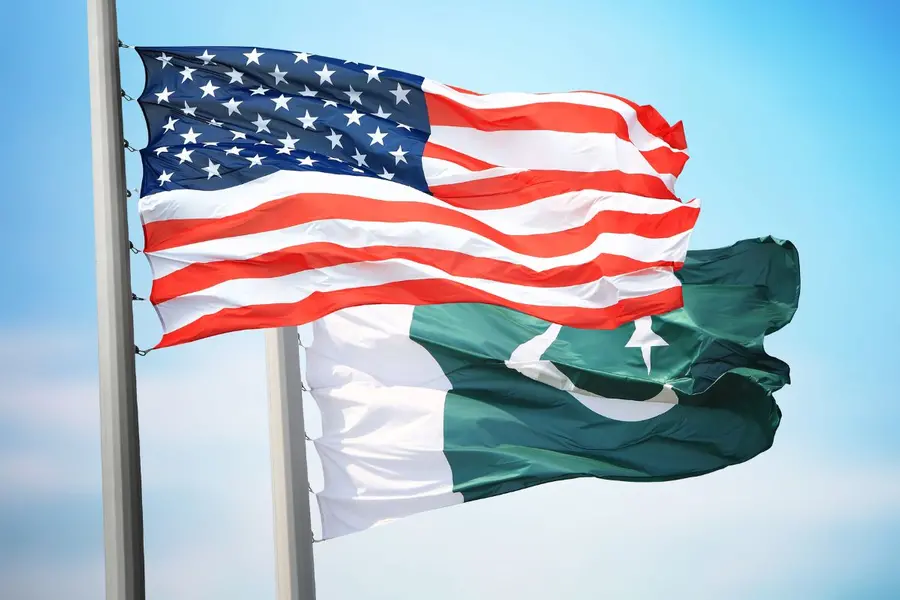
Islamabad: The US-Pakistan mineral deal is being fiercely opposed by the Baloch community, with leader Mir Yar Baloch calling it a “strategic mistake.” He warned that the agreement “would embolden Pakistan's military and intelligence services and deepen the marginalisation of the people of Balochistan.”
The India Narrative report highlighted, “When Pakistan signed its minerals and mining deal with the United States, officials in Islamabad may have considered it an economic breakthrough, a way to court American capital and diversify alliances beyond Beijing. Yet, underneath the fanfare lies a grim reality grounded in the complex and violent history of Balochistan — a region that has persistently confounded grand development projects and foreign investors alike.”
It added, “Over decades, multinational corporations such as Barrick Gold and China Metallurgical Group have inked deals promising local development. Yet, the region remains one of Pakistan's poorest and most disenfranchised, fueling deep distrust among the Baloch people.”
The report observed that the Saindak copper-gold project, run by Chinese companies for more than a decade, yielded large-scale extraction, but locals say “there is hardly any improvement in basic infrastructure or job prospects.” The Reko Diq mine, one of the largest copper-gold deposits globally, “has been plagued by disputes over revenue distribution, with most profits benefiting the central authorities and foreign stakeholders, fueling feelings of deprivation and betrayal among the people of Balochistan.”
On CPEC, the report noted, “Pakistan’s army has tried to secure Chinese interests in Balochistan, but attacks and violence have only increased, rendering parts of CPEC projects useless and undermining investor confidence. Suppression, as history shows, simply drives resistance underground, making genuine development impossible.”
Regarding US interests, the report said, “US President Donald Trump's recent announcement to tap Pakistan's oil and mineral wealth is to seek economic gains and strategic leverage to offset Beijing's global influence on critical minerals. The Pentagon explicitly challenges China’s monopoly over rare earths, significant for military technologies and drone fleets, as Washington strives to strengthen domestic capacity and diversify its supply chains.”
The report clarified, “despite Pakistan’s claims, its proven oil reserves are relatively modest — estimated between 234 million and 353 million barrels — far from ‘massive’ and significantly smaller compared to India. This indicates that the US’s true interest lies in critical minerals: copper, gold, and rare earths, much of which is located in the politically volatile region of Balochistan.”
“For the United States, the lure of minerals and the promise of strategic advantages are strong. But if Washington does not learn from Beijing’s hard-earned experience and ensure projects address the grievances of the Baloch people, any new mining or oil venture is likely to descend into the same quagmire: violence, stalled infrastructure, and mounting resentment,” the report further warned.
With Pakistan’s economy in dire straits and debt mounting, “Islamabad may accept any offer that provides short-term respite, even if it leads to instability or adverse effects. But these deals, struck without local consent or transparency, seem destined to repeat the mistakes of the past — stoking resentment and insurgency rather than creating lasting stability or prosperity,” the report concluded.
With inputs from IANS
Published: 09 Aug 2025, 09:24 pm IST
Related Topics
Disclaimer: Kindly avoid objectionable, derogatory, unlawful and lewd comments, while responding to reports. Such comments are punishable under cyber laws. Please keep away from personal attacks. The opinions expressed here are the personal opinions of readers and not that of Mathrubhumi.
