
Rising sea temperatures are altering migration patterns, while more people in the water and shifts in fish stocks have brought sharks closer to popular beaches.
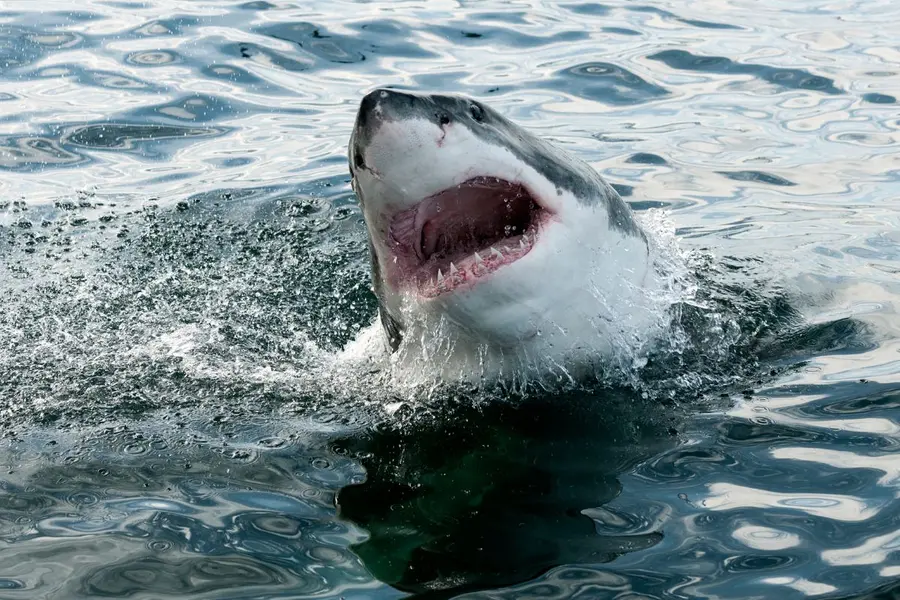
Sydney: High above Sydney’s golden beaches, drones buzz across the surf, scanning the waters for the faint flick of a tail or the shadow of one of the ocean’s most feared predators, the shark.
Australia’s seas are home to a vast range of shark species, including great whites, tiger sharks and bull sharks, all capable of deadly encounters with humans. Yet the danger does little to deter Australians: a 2024 survey found that nearly two-thirds of the population made a combined 650 million coastal visits in a single year.
Also Read

When 18-year-old surfer Mercury Psillakis was killed by a shark off a northern Sydney beach in September, his grieving family described the tragedy as “an unavoidable accident” – an attitude that reflects many Australians’ acceptance of the risks of ocean life.
Scientists, however, warn that a mix of factors may be driving an increase in shark attacks. Rising sea temperatures are altering migration patterns, while more people in the water and shifts in fish stocks have brought sharks closer to popular beaches. Since records began in 1791, Australia has logged more than 1,280 shark incidents; about 260 of them fatal. The past 25 years have seen 56 deaths, more than double the previous quarter-century’s tally.
Drones, trackers and apps to the rescue
Protecting swimmers from sharks remains a sensitive issue in Australia, where safety and conservation often clash. Authorities have adopted a multi-layered approach: deploying drones, fitting acoustic trackers to sharks, using “smart” drumlines, alerting the public via mobile apps, and continuing the controversial use of shark nets.
Drones have become a cornerstone of this effort. In the past year alone, they have spotted more than 1,000 sharks cruising the New South Wales coastline. “We err on the side of caution,” Surf Life Saving NSW drone pilot Oliver Heys told AFP. “If we see something, we drop down, zoom in and identify whether it’s a dangerous shark. When we see them, a jet ski or inflatable rescue boat shepherds the shark back out to sea.”
The three species most closely monitored are great whites, tiger sharks and bull sharks, with great whites responsible for 42 per cent of attacks since 2000.
The debate over shark nets
Traditional shark nets, deployed each summer off beaches in New South Wales and Queensland, remain highly divisive. Although intended to reduce encounters, critics argue that the nets are outdated, ineffective and harmful. They often trap marine life such as dolphins, turtles and rays. Further, according to experts, they can even attract sharks by leaving carcasses in the water.
“Nets can act like a dinner bell,” said Dr Leonardo Guida of the Australian Marine Conservation Society. “They’re a blunt instrument in need of replacement with more sophisticated, targeted technology.”
Plans by several local councils to trial net removals this year were scrapped following September’s fatal attack, highlighting how contentious the issue remains.
Smart buoys alert beachgoers
In some regions, authorities have turned to smart drumline – buoy systems that alert rangers when a shark takes the bait, allowing them to tag and release the animal safely. The Shark Smart mobile app then notifies beachgoers in real time when a tagged shark passes a listening buoy. However, the system only works for tagged individuals or sharks close enough to be detected.
Meanwhile, researchers are exploring new ways to minimise harm. Teams at Flinders University, backed by New South Wales funding, are developing bite-resistant wetsuits that could reduce injuries and blood loss — the leading cause of death in shark attacks. Their research also shows that personal electronic deterrents can cut the likelihood of a shark bite by about 60 per cent.
“Australia is at the forefront of shark bite mitigation,” said Professor Charlie Huveneers, who leads the study. “We can save both human and shark lives.”
Sharks themselves under threat
Despite their fearsome reputation, sharks themselves face grave threats: 37 per cent of oceanic shark and ray species are now classed as endangered or critically endangered, according to the International Union for Conservation of Nature.
And while shark attacks capture headlines, the data tells another story. Drowning remains a far greater danger. In the year to June, 357 people lost their lives to drowning in Australian waters.
AFP
Published: 29 Oct 2025, 03:14 pm IST
Related Topics
Disclaimer: Kindly avoid objectionable, derogatory, unlawful and lewd comments, while responding to reports. Such comments are punishable under cyber laws. Please keep away from personal attacks. The opinions expressed here are the personal opinions of readers and not that of Mathrubhumi.