
The Centre has directed ride-hailing apps to stop advance tip prompts, saying passengers can tip voluntarily only after completing their journey.
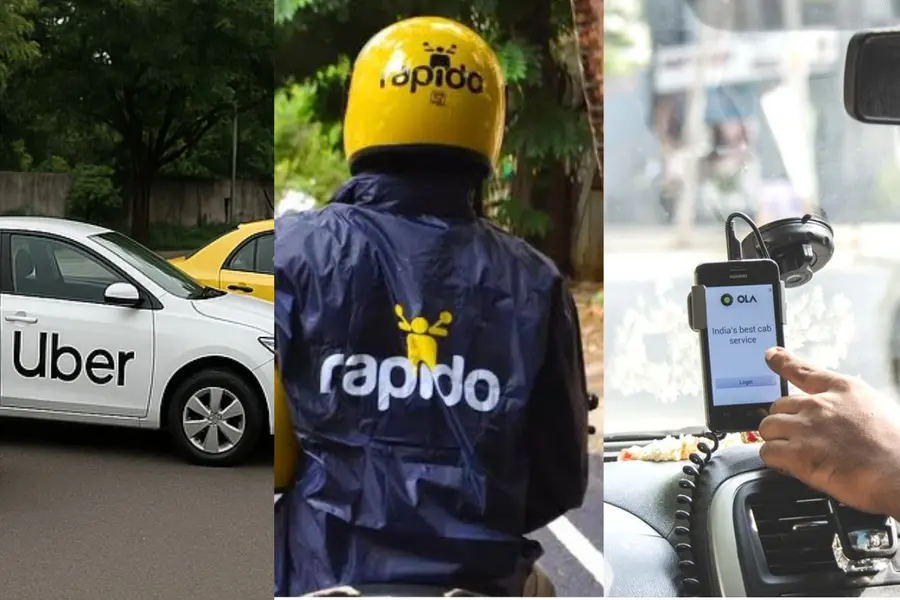
New Delhi: The Centre has told ride-hailing platforms to stop asking passengers for tips before or during a trip, saying any tip must remain voluntary and the option can appear only after the journey ends.
The Ministry of Road Transport and Highways has directed ride aggregators to remove prompts that encourage passengers to tip drivers before a journey is completed.
Also Read

The ministry said options such as “Advance Tip”, “Choose an Add-on” and messages suggesting that a tip could improve the chances of getting a ride are not permitted under the Motor Vehicle Aggregator Guidelines.
The rules state that the tip option should be visible only after the journey has been completed.
Why are ride apps being told to stop?
The ministry said pre-ride tip prompts can create the impression that paying extra could improve ride confirmation, driver acceptance, driver allocation, waiting time or service quality.
Such practices are described under the guidelines as misleading or manipulative and as potentially violating the Consumer Protection Act, 2019.
The Centre's move follows an earlier direction from the consumer protection authority asking ride-hailing platforms to stop the practice.
Despite that direction, similar prompts have continued to appear on some ride-booking platforms.
What passengers can do
Passengers can still choose to tip their drivers, but the payment must remain voluntary.
Under the rules, the option should become available only after the ride is completed.
This means apps cannot ask passengers to pay a tip during booking or suggest that an advance tip could help them get a driver more quickly.
What changes for ride-app users?
The move targets a growing feature in app-based cab bookings where passengers are shown additional payment options before a driver accepts the trip.
For passengers, the key change is simple: a tip should not be presented as a way to improve the chances of getting a ride.
The Centre's direction also reinforces the distinction between a voluntary tip and an additional payment that could influence how a ride is allocated.
The issue is less about tipping itself and more about how apps present the choice to passengers.
A voluntary tip paid after a completed journey is different from a pre-ride prompt suggesting that paying extra could make a driver more likely to accept a booking.
The Centre's action puts the focus on app design and consumer choice. It also signals that ride aggregators may face closer scrutiny over interface features that could pressure passengers into making additional payments.
For users, the practical takeaway is that tipping should remain a choice made after the service, not a condition or perceived shortcut to getting one.
Published: 13 Aug 2026, 10:44 am IST
ABOUT THE AUTHOR
Related Topics
Disclaimer: Kindly avoid objectionable, derogatory, unlawful and lewd comments, while responding to reports. Such comments are punishable under cyber laws. Please keep away from personal attacks. The opinions expressed here are the personal opinions of readers and not that of Mathrubhumi.