
India imports more than 700 tonnes of gold every year as domestic demand for jewellery and investment continues to far exceed local production, driven by cultural traditions, household savings patterns and strong consumer buying behaviour.
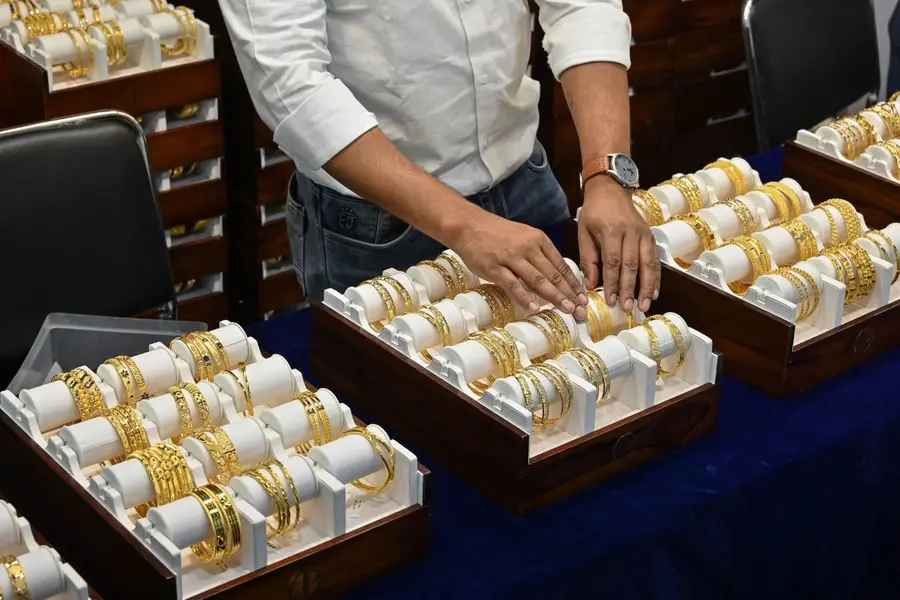
India consistently imports more than 700 tonnes of gold annually, making it one of the world’s largest gold-importing countries.
The reason is not a single factor but a combination of cultural demand, investment behaviour, limited domestic production and economic policy dynamics that keep imports structurally high.
Also Read

Strong cultural demand drives consumption
Gold holds a deeply rooted place in Indian society. It is not only seen as jewellery but also as a symbol of wealth, security and tradition. Demand surges during weddings, festivals such as Diwali and Akshaya Tritiya, and major family events like births and anniversaries.
Across generations, gold is gifted and inherited, which keeps it circulating within households while still encouraging fresh purchases. This cultural significance ensures that demand remains steady throughout the year, regardless of price fluctuations.
India does produce gold, but output is extremely limited compared to its consumption needs. Domestic mining contributes only a small fraction of total demand.
Because jewellery, coins and investment products require large volumes of gold, the gap between domestic supply and consumption is filled through imports. This structural mismatch is one of the primary reasons India remains heavily dependent on foreign gold markets.
Investment demand strengthens imports
Beyond jewellery, gold is widely used as an investment asset in India. Many households prefer gold over financial instruments due to its perceived stability and liquidity.
Even during periods of inflation or market volatility, gold continues to be seen as a safe-haven asset. This behaviour increases demand for physical gold in the form of bars, coins and jewellery, further boosting import requirements.
Price movements influence buying patterns but not overall demand
Gold prices in India are influenced by global bullion rates, currency exchange fluctuations and domestic taxes such as import duties and GST.
When prices fall, demand typically increases as buyers take advantage of lower rates. When prices rise, purchases may slow temporarily, but demand rarely disappears. Instead, consumers adjust by buying smaller quantities, delaying purchases or choosing different designs.
This elasticity ensures that overall consumption remains strong even during high-price cycles.
Policy and import duties impact retail prices
Government policy plays a key role in shaping the gold market. Import duties directly affect the landed cost of gold, which in turn influences retail prices across India.
Even small changes in taxation can shift buying patterns, increase smuggling risks or impact organised imports. However, despite policy interventions, underlying demand remains strong enough to sustain high import volumes.
A noticeable shift in recent years is the growing popularity of gold exchange schemes. Households are increasingly trading old, unused or inherited jewellery for new designs instead of making entirely fresh purchases.
This reduces the need for additional cash spending and helps consumers manage rising prices. It also brings old gold back into circulation, improving utilisation within the domestic economy.
Organised jewellery retailers have strengthened this segment by offering transparent valuation methods, including separate weighing of stones and clearer purity testing processes. This has helped build trust in exchange systems compared to informal markets.
Organised retail improving transparency
Modern consumers are more informed and cautious about valuation practices. Buyers now expect clarity on purity testing, weight calculations and pricing methods.
This has led to a shift towards organised jewellers who offer standardised processes, visible testing and documented valuations. As a result, exchange and resale of gold have become more structured and consumer-friendly.
India’s gold imports remain high due to a combination of cultural tradition, strong investment demand and limited domestic production. While changing consumer behaviour, especially the rise of gold exchange, is making the market more efficient, the fundamental drivers of demand continue to ensure that India remains heavily reliant on imported gold year after year.
Published: 30 May 2026, 02:33 pm IST
Related Topics
Disclaimer: Kindly avoid objectionable, derogatory, unlawful and lewd comments, while responding to reports. Such comments are punishable under cyber laws. Please keep away from personal attacks. The opinions expressed here are the personal opinions of readers and not that of Mathrubhumi.