
West Bengal revises poll duty payments for 2026 Assembly elections, detailing rates, benefits, and support for election staff.
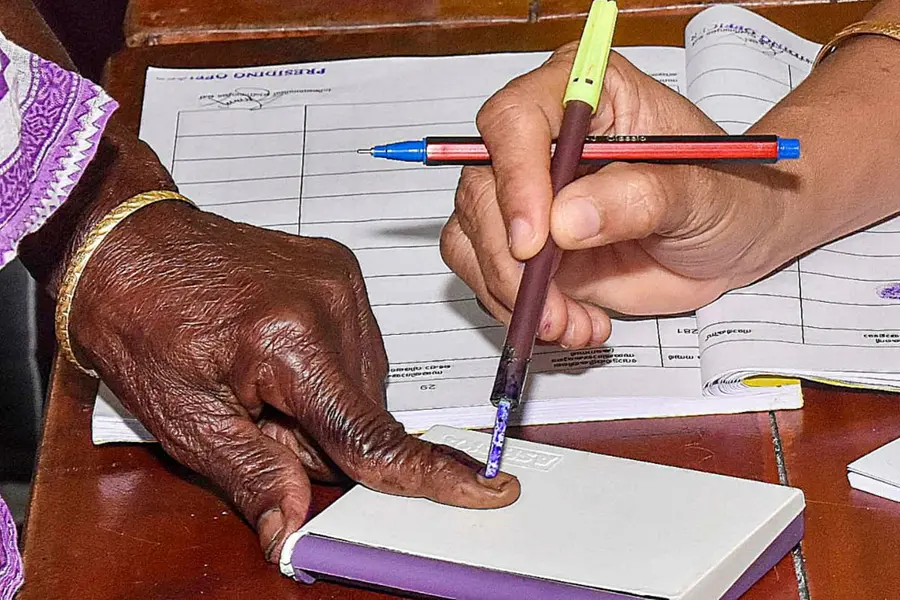
Kolkata: The Office of the Chief Electoral Officer (CEO), West Bengal, has issued a detailed order revising remuneration and allowances for polling personnel deployed in the upcoming 2026 West Bengal Legislative Assembly elections.
The order, dated April 3, 2026, outlines enhanced daily duty payments and additional financial provisions aimed at easing the burden on election staff.
The revised structure replaces the conventional TA/DA and tiffin reimbursements, offering instead a consolidated allowance system for Central and State government employees, local body staff, and other personnel assigned to election duty.
Higher daily allowances for polling staff
Under the new guidelines, Presiding Officers will receive ₹500 per day for duties including training sessions, collection of polling materials, and poll day responsibilities.
Polling Officers, including first, second, and third polling officers, will receive ₹400 per day.
This marks a significant increase compared to previous elections, where Presiding Officers were paid ₹350 per day and Polling Officers ₹250 per day.
The total lump sum remuneration has also been capped at ₹2000 for Presiding Officers and ₹1600 for Polling Officers.
Additional financial provisions
Apart from daily allowances, the CEO’s order introduces several supplementary benefits:
- A refreshment allowance of ₹170 per head for all polling personnel on poll day
- A mobile recharge allowance of ₹50 for Presiding Officers to send SMS-based poll reports
- ₹300 per polling party as contingent expenditure for miscellaneous needs
- ₹500 for personnel required to report to Distribution Centres (DC) on P-2 day
- ₹500 for reserved personnel if a night halt is required on P-1 day
Master trainers engaged in election training will receive ₹500 per day, with a maximum cap of ₹1500. Meanwhile, DCRC and sector staff (non-polling roles) will be paid ₹350 for duties on P-1 and poll day, along with the refreshment allowance.
Contingent menial workers, including Group D staff, will receive ₹350 per duty day in addition to ₹170 for poll day refreshments.
Election allowances details – West Bengal legislative assembly 2026
Presiding Officer
- ₹500 per day (training, material collection, poll duty)
- ₹2000 lump sum remuneration
- ₹300 contingent expenditure per polling party
- ₹50 mobile recharge allowance
Polling Officers (1st, 2nd, 3rd)
- ₹400 per day
- ₹1600 lump sum remuneration
Special allowances
- ₹500 for night halt (reserved personnel, P-1 day)
- ₹500 extra for P-2 day reporting at DC
- ₹170 refreshment allowance per head (poll day)
Master Trainers
- ₹500 per day (maximum ₹1500)
DCRC / Sector Staff
- ₹350 for P-1 day
- ₹350 for poll day
- ₹170 refreshment allowance
Contingent Menials
- ₹350 per day
- ₹170 refreshment allowance
- Financial and administrative impact
The expenditure for these allowances will be drawn under the state’s election-related administrative expenditure head, with concurrence from the Finance Department.
Officials say the revised rates are intended to provide better financial support and motivation to personnel undertaking the demanding multi-day election process.
Election duty often involves travel to remote areas, long working hours, and logistical challenges.
By replacing the traditional TA/DA reimbursement system, the new structure also eliminates the need for post-election paperwork.
Personnel will no longer have to submit detailed travel or expense claims through systems like HRMS or e-Bantan, reducing administrative delays and workload.
Relief for polling personnel
The revised allowances are expected to offer immediate financial relief, particularly through upfront provisions such as contingent funds, meal allowances, and mobile recharge support.
These measures ensure that polling staff are not required to spend from their own pockets while managing on-ground election responsibilities.
With West Bengal set to witness a high-stakes Assembly election in 2026, the enhanced allowance framework is seen as a step toward ensuring smoother poll operations and better support for the personnel at the heart of the electoral process.
Published: 08 Apr 2026, 04:50 pm IST
Disclaimer: Kindly avoid objectionable, derogatory, unlawful and lewd comments, while responding to reports. Such comments are punishable under cyber laws. Please keep away from personal attacks. The opinions expressed here are the personal opinions of readers and not that of Mathrubhumi.
