
With inflation firming and global central banks tightening, the RBI’s Monetary Policy Committee is widely expected to end its extended pause and raise the repo rate by 25 basis points to 5.50%. The move, if announced, would be India’s first rate hike since February 2023—and could gradually push up EMIs on home, auto and business loans.
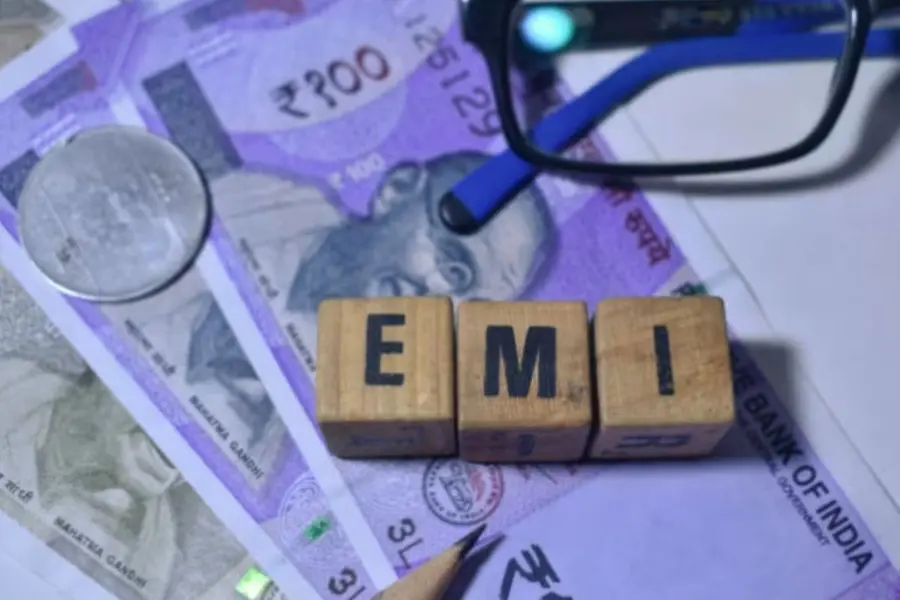
The Reserve Bank of India's Monetary Policy Committee (MPC) is meeting at a delicate moment, with domestic inflation ticking upward even as major global central banks tighten policy aggressively.
Market participants and economists increasingly expect the RBI to begin a shallow tightening cycle with a measured 25-basis-point increase in the repo rate, taking it from 5.25 per cent to 5.50 per cent.
Also Read

The six-member MPC began its October review on Monday and is scheduled to announce its decision on October 7. A 25-bps move, if announced, would be the first repo-rate increase since February 2023, after the central bank held the rate unchanged through four consecutive policy reviews in 2026.
Global pressure, domestic cushion
The policy dilemma has sharpened against a backdrop of aggressive rate increases by the US Federal Reserve and the Bank of Japan to combat persistent inflation.
However, Ajitabh Bharti, Executive Director and Co-founder of CapitalXB, argues that India’s macroeconomic position gives the RBI more room for calibration than many of its global peers.
“India cannot pursue a one-to-one alignment with global rate trajectories. The RBI must balance currency stability and internal liquidity management without over-tightening into a still-moderate inflation environment,” Bharti said.
He pointed out that headline inflation averaged just 1.9 per cent between April 2025 and February 2026, well below the RBI’s 4 per cent medium-term target.
While inflation has risen more recently -- retail inflation rose to 4.82 per cent in August, remaining above target for a third consecutive month -- the broader price environment remains comparatively contained.
India's fiscal position also strengthens the case for a measured response. The general government deficit is estimated to have narrowed from 7.7 per cent of GDP in FY25 to 7.4 per cent in FY26, while the Union government met its FY26 fiscal deficit target of 4.4 per cent of GDP.
This fiscal discipline, Bharti said, provides the central bank with policy space that many other economies lack.
Why 25 bps, not more
CapitalXB expects a maximum 25-basis-point hike at this meeting, in line with consensus expectations from major financial polls. The view is that a larger increase would be unnecessary -- and potentially damaging to growth -- given that inflation is projected at 5.1 per cent for FY27 and fiscal metrics remain under control.
The RBI has maintained a neutral stance since June 2026, a position Bharti interprets as caution rather than panic. He expects a shallow, early tightening cycle: an initial 25-bps increase, followed by data-dependent decisions rather than a rapid sequence of hikes.
"In essence, India’s strong fiscal hand and contained inflation provide the RBI with the luxury of calibration, not capitulation to global tightening waves," he said.
What to watch on October 7
Beyond the repo-rate decision, attention will centre on the MPC’s stance, its revised inflation and growth projections, and any signals on the future path of rates.
The RBI had projected FY27 real GDP growth at 6.7 per cent and CPI inflation at 5 per cent at its August review, while flagging near-term upside pressure from food and fuel prices.
For borrowers, a 25-bps hike would gradually raise lending costs on home, auto and business loans, though the immediate impact would depend on how quickly banks transmit the change.
For the broader economy, the key question is whether the RBI can restrain inflation expectations without undermining a growth recovery that remains relatively resilient.
Published: 05 Oct 2026, 03:25 pm IST
ABOUT THE AUTHOR
Related Topics
Disclaimer: Kindly avoid objectionable, derogatory, unlawful and lewd comments, while responding to reports. Such comments are punishable under cyber laws. Please keep away from personal attacks. The opinions expressed here are the personal opinions of readers and not that of Mathrubhumi.