
The Central Board is not the same as the Monetary Policy Committee (MPC). The board has the broader responsibility of overseeing the RBI’s affairs.
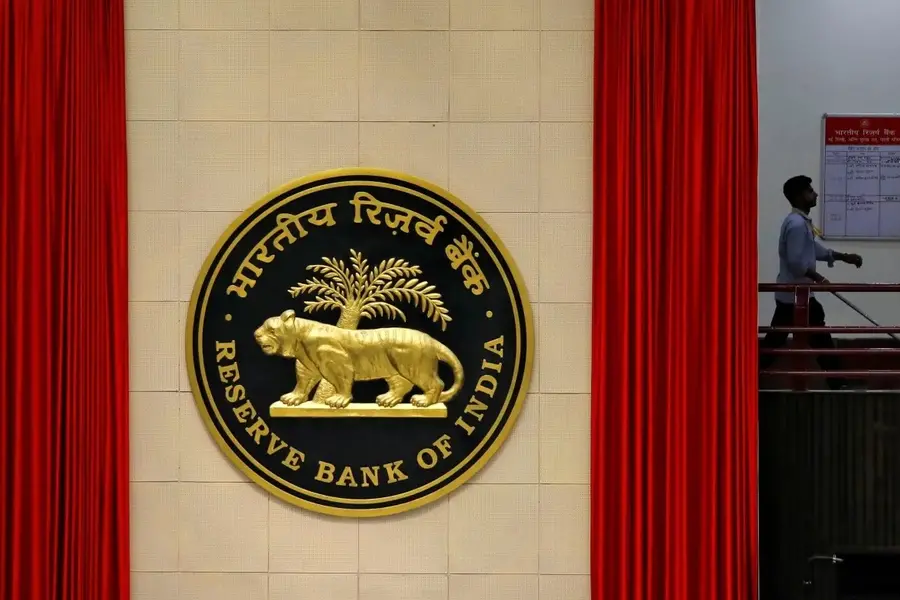
The Reserve Bank of India’s Central Board of Directors is the institution responsible for the general superintendence and direction of the central bank’s affairs. It is constituted by the Central Government under the Reserve Bank of India Act, 1934.
With the government reappointing industrialist Anand Mahindra and appointing former ISRO chairman S. Somanath as non-official directors, attention has once again turned to who sits on this important board and what role it plays in the functioning of the RBI.
Who is on the RBI Central Board?
Under Section 8 of the RBI Act, the Central Board includes the RBI Governor and not more than four Deputy Governors as official directors. It also includes government-nominated non-official directors from different fields, government officials and representatives of the RBI’s four local boards.
The RBI’s current listing names:
- Sanjay Malhotra: Governor
- Swaminathan J. — Deputy Governor (Former Managing Director, State Bank of India)
-
Poonam Gupta — Deputy Governor (Former Director General, National Council of Applied Economic Research; former World Bank economist)
-
Shirish Chandra Murmu — Deputy Governor (Career banker; former senior RBI official)
-
Rohit Jain — Deputy Governor (Career banker; joined RBI as Deputy Governor in May 2026)
-
Revathy Iyer — Director (Retired IA&AS officer; former Deputy Comptroller and Auditor General)
-
Sachin Chaturvedi — Director (Professor; Director General, Research and Information System for Developing Countries)
-
Anand Gopal Mahindra — Director (Chairman, Mahindra Group)
-
Somanath Sreedhara Panicker — Director (Former Chairman, ISRO; former Secretary, Department of Space)
-
Anuradha Thakur — Director (IAS; Secretary, Department of Economic Affairs, Ministry of Finance)
-
Sanjay Lohiya — Director (IAS; Secretary, Department of Financial Services, Ministry of Finance)
What does the Central Board actually do?
The Central Board is not the same as the Monetary Policy Committee (MPC). The board has the broader responsibility of overseeing the RBI’s affairs.
Its core statutory role is the general superintendence and direction of the Bank’s affairs. The RBI describes its wider functions as including monetary policy, regulation and supervision of the financial system, foreign-exchange management, currency issuance and payment systems.
In simple terms, the Central Board provides the governing framework under which the RBI carries out its responsibilities as India’s central bank.
Why are there non-official directors?
The non-official directors bring expertise and perspectives from outside the RBI. Under the RBI’s structure, the government nominates 10 directors from various fields, along with government officials, while four other directors represent the four local boards.
This means people with backgrounds in areas such as industry, economics, public administration, academia and other fields can be part of the RBI’s governing board.
The recent appointment of S. Somanath and reappointment of Anand Mahindra therefore adds experience from the space and corporate sectors to the board.
How long can a director serve?
The RBI Act provides that a director nominated under Section 8(1)© holds office for four years and is eligible for reappointment. However, the law limits such a director to two terms, or a maximum of eight years, whether served continuously or intermittently.
The RBI itself states that its Central Board directors are appointed or nominated for a period of four years.
What about the four local boards?
The RBI also has four Local Boards representing the Western, Eastern, Northern and Southern areas. Each has five members appointed by the Central Government for four-year terms.
Their role is to advise the Central Board on local matters and represent the territorial and economic interests of local cooperative and indigenous banks.
So, while the Central Board is the RBI’s main governing body, the Local Boards provide regional representation and advice on matters relevant to their respective areas.
Published: 21 Aug 2026, 11:31 am IST
ABOUT THE AUTHOR

Related Topics
Disclaimer: Kindly avoid objectionable, derogatory, unlawful and lewd comments, while responding to reports. Such comments are punishable under cyber laws. Please keep away from personal attacks. The opinions expressed here are the personal opinions of readers and not that of Mathrubhumi.