
The Reserve Bank of India (RBI) has postponed the implementation of its revised capital market exposure framework from April 1 to July 1, 2026
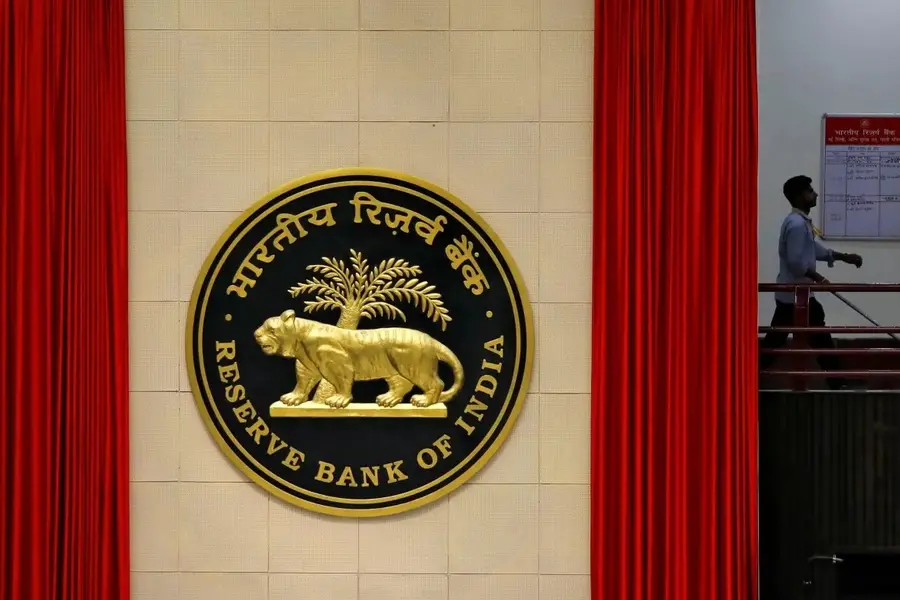
New Delhi: The Reserve Bank of India has postponed the implementation of its revised capital market exposure framework to July 1, 2026, extending the original April 1 deadline by three months. The move comes after banks, capital market intermediaries (CMIs) and industry bodies highlighted operational and interpretational challenges in adopting the new norms.
The RBI had initially issued the amendment directions on February 13, 2026, following a public consultation process, and has now provided targeted clarifications on key areas, including acquisition finance, loans against financial assets, and credit exposure to CMIs.
Expanded acquisition finance and control-oriented transactions
Under the updated framework, acquisition finance has been broadened to explicitly cover mergers and amalgamations, removing prior ambiguity. However, such financing is restricted to control-driven acquisitions of non-financial target companies, rather than minority stakes.
Also Read| IMF warning: Why Middle East crisis threatens your economy
For target entities that are holding companies, banks must ensure potential synergy requirements are met across all subsidiaries, not just at the parent level. The framework also allows acquisition financing via Indian or overseas subsidiaries, offering greater flexibility to corporate acquirers.
Tighter refinancing norms and credit safeguards
Refinancing conditions have been tightened. Banks may refinance acquisition loans only after the transaction is complete and control is established, and the funds must be used exclusively to repay the original acquisition debt. Additionally, when acquisition finance is extended to a subsidiary or a special purpose vehicle (SPV), a corporate guarantee from the acquiring company is now mandatory, strengthening credit protection.
Also Read| Is NSE IPO finally happening? Latest deadline revealed
Operational relief for banks and market intermediaries
The RBI has also provided operational relief for capital market participants. Banks can now fund proprietary trading against 100% cash or cash-equivalent collateral, and restrictions on financing market makers against the same securities used in market-making have been removed.
Impact on banks, acquirers and CMIs
The deferment gives lenders additional time to align systems and processes with the revised rules, while the clearer definitions reduce legal ambiguity and structuring risks. For acquirers, the framework expands access to acquisition finance for mergers and subsidiary-led deals, but maintains control-oriented limits and stricter refinancing conditions. Capital market intermediaries benefit from enhanced operational flexibility under the revised norms.
Published: 31 Mar 2026, 02:18 pm IST
Related Topics
Disclaimer: Kindly avoid objectionable, derogatory, unlawful and lewd comments, while responding to reports. Such comments are punishable under cyber laws. Please keep away from personal attacks. The opinions expressed here are the personal opinions of readers and not that of Mathrubhumi.
