
The Reserve Bank of India has cancelled the banking licence of Paytm Payments Bank, prohibiting it from carrying out any banking operations and initiating steps towards winding up the entity.
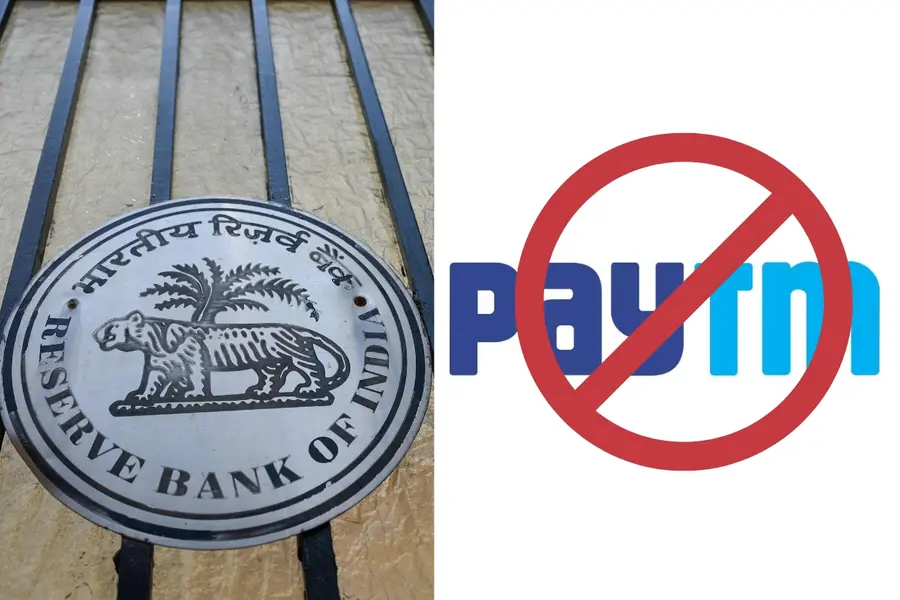
The Reserve Bank of India (RBI) has cancelled the banking licence of Paytm Payments Bank Limited, effectively stopping it from carrying out any banking operations.
The decision was announced under Section 22(4) of the Banking Regulation Act, 1949, with immediate effect.
Also Read

Following this move, Paytm Payments Bank is no longer permitted to conduct any “banking” business as defined under the Act, marking a major regulatory action in India’s fintech sector.
Why has the licence been cancelled?
The RBI stated that the decision was taken due to concerns over the manner in which the bank’s affairs were conducted. According to the central bank, these operations were found to be detrimental to the interests of depositors and public interest.
The regulator also noted that the general character of the bank’s management was not aligned with regulatory expectations, raising concerns about governance and compliance standards.
With the cancellation of the licence, Paytm Payments Bank has been prohibited from undertaking any form of banking activity with immediate effect. This includes all operations that fall under banking services as defined in the Banking Regulation Act.
The RBI has also confirmed that it will approach the High Court to initiate proceedings for winding up the bank.
Also read | No more surprise auto-debits: How RBI’s new rules change your everyday payments
What happens to customer deposits?
Despite the regulatory action, the RBI has stated that Paytm Payments Bank holds sufficient liquidity to meet its deposit liabilities. This means that, during the winding-up process, the bank is expected to repay its depositors in full.
However, the formal process of closure will be supervised through legal proceedings before the High Court.
Paytm Payments Bank had already been restricted from onboarding new customers since March 11, 2022, following earlier regulatory concerns raised by the RBI.
This earlier action signalled ongoing scrutiny of the bank’s compliance framework and operational practices.
What does this mean for India’s banking and fintech sector?
The cancellation highlights the RBI’s continued focus on regulatory compliance and risk management in the rapidly growing digital banking space. Payments banks, which operate under a limited banking licence, are subject to strict operational guidelines.
The move is expected to reinforce tighter oversight of fintech-linked banking entities and strengthen regulatory enforcement in the sector.
Published: 24 Apr 2026, 08:38 pm IST
Related Topics
Disclaimer: Kindly avoid objectionable, derogatory, unlawful and lewd comments, while responding to reports. Such comments are punishable under cyber laws. Please keep away from personal attacks. The opinions expressed here are the personal opinions of readers and not that of Mathrubhumi.