
Over the past three years, loan app operators have defrauded people of nearly ₹70 crore.
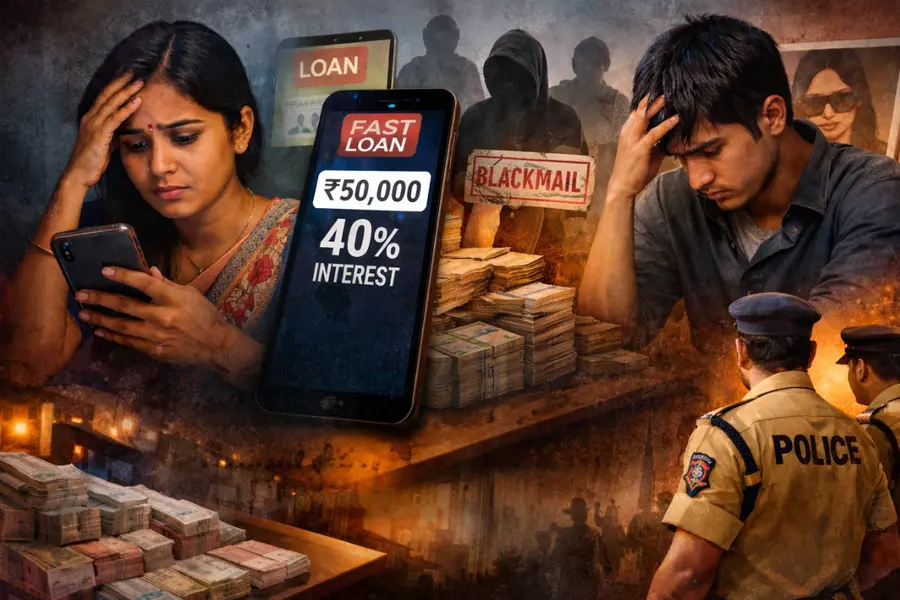
Thiruvananthapuram: A growing number of victims of illegal loan apps in Kerala are homemakers and students, with quick disbursal of loans within hours, without guarantors, collateral or documentation, drawing them in.
Unlike legitimate platforms available on app stores, these loan apps are often installed through links shared on social media. Once installed, they gain access to users’ photo galleries and contact lists without their knowledge, tightening their grip on victims. Only a small fraction of those affected come forward to file complaints.
Also read | Fake trading apps and deepfake videos trap investors
Exorbitant interest rates and processing fees
People who have no other access to formal credit often turn to these loan apps. In most cases, the maximum loan amount available is around ₹50,000. However, many apps charge interest rates exceeding 40 per cent.
In addition, processing fees of around 10 per cent are deducted upfront before the loan is disbursed. The loan amount is often credited through digital payment platforms like Google Pay, reducing the actual amount received by the borrower.
Also read | RBI proposes 1-hour lag for high-value money transfers, 'Trusted Person' authentication for seniors
Students take loans without family’s knowledge
Police officials said that over the past three years, loan app operators have defrauded people of nearly ₹70 crore. Among registered cases, a majority of complainants are employees of private companies and homemakers, while around five per cent are students. Most students reportedly take these loans without informing their families.
Threats if repayment is delayed
Victims face severe harassment if they fail to repay on time. Even after repeated threats, if payments are not made, the fraudsters begin contacting the victim’s friends and relatives using details accessed from their phones. In some cases, photos from the victim’s phone are morphed into obscene images and used for blackmail. If the victim still does not pay, these images are circulated to others as a form of intimidation.
Fearing such consequences, many victims take out new loans to repay earlier ones, trapping themselves in a vicious cycle of debt. Despite ongoing awareness campaigns by the police, the number of people falling prey to such scams remains high.
Published: 21 Apr 2026, 09:35 am IST
Related Topics
Disclaimer: Kindly avoid objectionable, derogatory, unlawful and lewd comments, while responding to reports. Such comments are punishable under cyber laws. Please keep away from personal attacks. The opinions expressed here are the personal opinions of readers and not that of Mathrubhumi.
