
India’s aviation story has received global recognition, with two airport projects -- Navi Mumbai International Airport and Lokpriya Gopinath Bordoloi International Airport (Guwahati) Terminal 2 -- named among the World’s Most Beautiful Airports 2026 at the Prix Versailles awards in Paris.
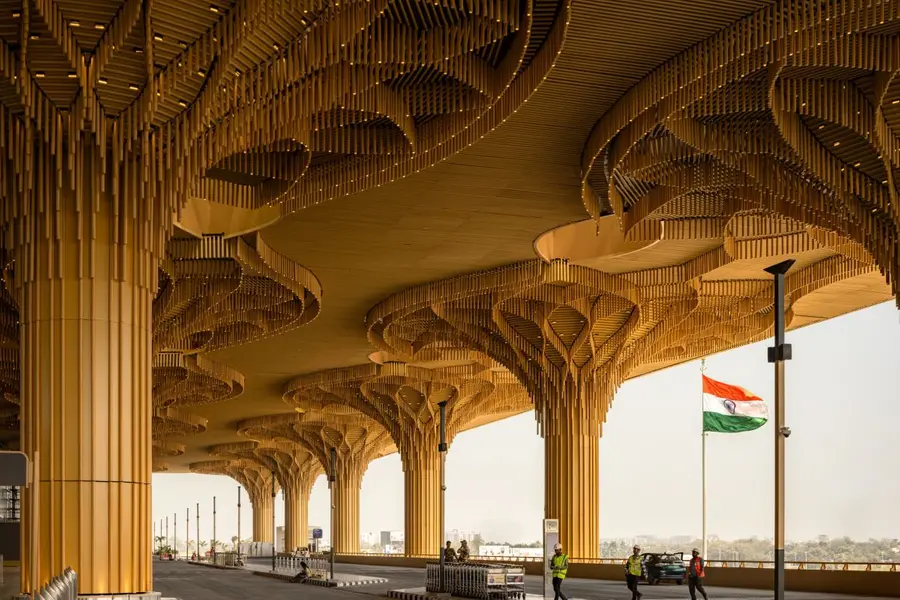
India's growing aviation story has received global recognition, with two Indian airport projects being named among the World's Most Beautiful Airports 2026 by the prestigious Prix Versailles architecture and design awards in Paris.
The honour has gone to the upcoming Navi Mumbai International Airport and the newly developed Terminal 2 of Lokpriya Gopinath Bordoloi International Airport in Guwahati. Both airports are managed by Adani Airport Holdings Limited (AAHL).
The recognition is not just a celebration of architecture. It is also a reflection of India's emergence as a nation capable of building world-class infrastructure that combines beauty, sustainability, technology and passenger comfort.
When airports become landmarks
Traditionally, airports have been viewed simply as transportation hubs. Today, however, the world's leading airports are designed to be symbols of national identity, culture and progress.
The Prix Versailles awards, presented annually at UNESCO headquarters in Paris since 2015, recognise airports and terminals that successfully blend architectural excellence with functionality and environmental responsibility.
The inclusion of two Indian airports on the 2026 list places the country alongside some of the world's most admired aviation gateways in China, Germany, Cambodia and the United States. For India, it is a sign that its airport infrastructure is no longer merely catching up with global standards but it is helping define them.
Lotus takes flight
Among the standout projects on the global list is Terminal 1 of Navi Mumbai International Airport, one of India's most anticipated aviation developments. The terminal's design is inspired by the lotus, India's national flower.
Its sweeping architecture combines modern engineering with artistic expression, creating a structure that is both futuristic and distinctly Indian.
Designed to integrate technology, art and passenger convenience, the airport aims to deliver a seamless travel experience while showcasing India's confidence as a modern economic powerhouse.
As Mumbai's second international airport, the project is expected to ease congestion at the city's existing airport while supporting the rapid growth of aviation, tourism and business in western India.
More importantly, it presents a new visual identity for India's future airports that is bold, elegant and globally competitive.
Guwahati Airport celebrates the spirit of Northeast India.
While Navi Mumbai reflects India's future ambitions, Guwahati's Terminal 2 tells a story deeply rooted in nature and culture. The terminal's architecture draws inspiration from the Bamboo Orchid, a symbol closely associated with the biodiversity of Northeast India.
The design embraces biophilic principles, bringing natural elements into the airport environment and creating a calming, sustainable space for travellers.
The terminal celebrates the ecological richness and indigenous heritage of the Northeast while maintaining high standards of operational efficiency and passenger comfort.
As the primary gateway to the region, the airport offers visitors their first glimpse of Northeast India's unique identity.
Through its design, the terminal transforms that arrival experience into something memorable and meaningful.
More than just beautiful buildings
The global recognition highlights a broader transformation taking place in Indian aviation. Over the past decade, India has invested heavily in expanding airport infrastructure, modernising terminals and improving connectivity.
The country's aviation sector is now one of the fastest-growing in the world, with new airports, expanded fleets and rising passenger traffic.
Modern airports are increasingly being viewed as engines of economic growth. They drive tourism, create employment, attract investment and improve regional connectivity.
The recognition from Prix Versailles suggests that India's infrastructure ambitions are now being noticed not only for their scale but also for their quality and design excellence.
Sustainability at the heart of development
A key factor behind the recognition is the emphasis both airports place on sustainability. From energy-efficient systems and environmentally conscious construction practices to designs that maximise natural light and improve passenger well-being, both projects reflect a growing commitment to greener infrastructure.
This approach aligns with global aviation trends, where airports are expected to balance growth with environmental responsibility.
For a country that is expected to become one of the world's largest aviation markets in the coming decades, such sustainable development will play an increasingly important role.
For passengers, these awards may seem largely symbolic. Yet they represent something much bigger. They demonstrate how Indian infrastructure projects are increasingly capable of competing with the very best in the world. They also show how architecture can tell stories of culture, heritage, innovation and national ambition.
Whether through the lotus-inspired grandeur of Navi Mumbai or the nature-inspired elegance of Guwahati, these airports showcase different facets of India's identity to millions of travellers.
Prix Versailles has announced that three airports from the 2026 shortlist will receive additional global titles later this year for outstanding interior or exterior design. Regardless of the final outcome, the inclusion of two Indian airports among the world's most beautiful is already a significant achievement.
As India's aviation sector continues its remarkable growth journey, these airports stand as powerful reminders that infrastructure can be more than functional. It can inspire, reflect culture, and make a nation proud.
For India, this recognition is not merely about beautiful buildings, it is about showcasing the country's confidence, creativity and aspirations to the world.
Published: 16 Jun 2026, 03:14 pm IST
Disclaimer: Kindly avoid objectionable, derogatory, unlawful and lewd comments, while responding to reports. Such comments are punishable under cyber laws. Please keep away from personal attacks. The opinions expressed here are the personal opinions of readers and not that of Mathrubhumi.
