
Unlike many countries where fuel prices directly reflect international crude oil rates, in India, taxes make up the largest portion of the final price at the pump
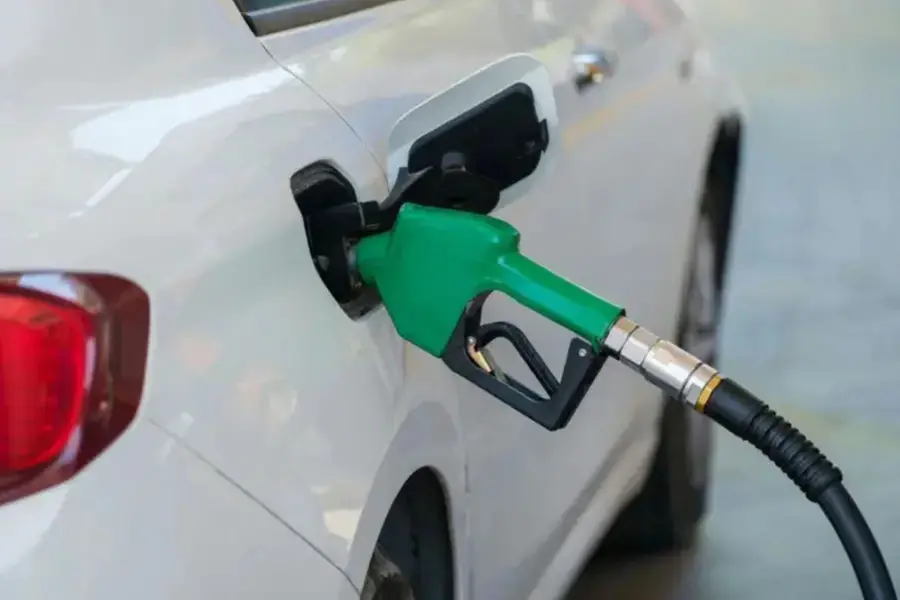
Mumbai: The petrol price in Mumbai continues to hold steady at ₹103.50 per litre, with no change recorded compared to yesterday, according to the latest data from fuel retailers. This stability comes amid ongoing global uncertainties and domestic policy dynamics that continue to shape fuel pricing in India.
While petrol prices have remained flat across several Indian cities, the cost of fuel in India remains significantly higher than in many neighboring countries—a trend largely attributed to the heavy tax burden levied by both the central and state governments.
City-wise prices(Petrol)
New Delhi ₹94.77
Kolkata ₹105.41
Mumbai ₹103.5
Chennai ₹100.90
Gurgaon ₹95.26
Noida ₹94.71
Bangalore ₹102.92
Bhubaneswar ₹101.03
Chandigarh ₹94.30
Hyderabad ₹107.46
Jaipur ₹104.72
Lucknow ₹94.73
Patna ₹105.23
Thiruvananthapuram ₹107.30
City-wise prices (Diesel)
New Delhi ₹87.67
Kolkata ₹92.02
Mumbai ₹90.03
Chennai ₹92.49
Gurgaon ₹87.73
Noida ₹87.81
Bangalore ₹90.99
Bhubaneswar ₹92.60
Chandigarh ₹82.45
Hyderabad ₹95.70
Jaipur ₹90.21
Lucknow ₹87.86
Patna ₹91.49
Thiruvananthapuram ₹96.18
Why are petrol prices in India so high?
India’s petrol pricing is influenced by several interlinked factors. Unlike many countries where fuel prices directly reflect international crude oil rates, in India, taxes make up the largest portion of the final price at the pump.
Key factors influencing petrol prices in India:
1. Domestic demand and usage
Petrol consumption in India continues to rise, driven by increasing vehicle sales and urbanization. As demand grows, so does the pressure on supply chains. In economic terms, higher demand often leads to higher prices, especially when supply is constrained or dependent on imports.
2. Heavy taxation
One of the biggest contributors to high petrol prices is taxation. The fuel sector is among the highest taxed in India, with excise duties, VAT, and cess forming a substantial chunk of the retail price. These taxes are a major revenue stream for both the central and state governments.
“The tax collected through numerous levies and charges imposed on both businesses and consumers in the fuel sector is the largest source of income for the Indian government treasury,” noted a senior economist.
3. Government policy and regulation
Fuel pricing in India, though technically deregulated, still sees strong government intervention, especially during election cycles or inflationary periods. Ahead of elections, governments may reduce prices to gain voter favor. Conversely, prices may be allowed to rise when there is a need to boost revenue collection.
“If the ruling government expects higher votes in an upcoming election, petrol prices in India could be pulled down in favor of the consumers,” say policy analysts.
“However, if the central government seeks more revenue, a hike in prices is likely.”
4. Global geopolitical factors
Global oil prices play a key role, especially for a country like India, which imports over 80% of its crude oil needs. Wars, sanctions, and supply chain disruptions can directly influence global rates and thereby affect domestic prices.
The 2023 Russia-Ukraine war is a prime example. While many countries saw a surge in fuel prices due to sanctions on Russian oil, India’s decision to continue importing Russian crude helped shield domestic petrol prices from a major spike.
“The recent war in 2023 by Russia increased the demand for oil globally... Petrol rates in India were unaffected since the Indian government allowed trading Russian crude oil,” reads a policy review.
Published: 08 Sept 2025, 09:20 am IST
Related Topics
Disclaimer: Kindly avoid objectionable, derogatory, unlawful and lewd comments, while responding to reports. Such comments are punishable under cyber laws. Please keep away from personal attacks. The opinions expressed here are the personal opinions of readers and not that of Mathrubhumi.
