
Experts warn that disruptions to Venezuelan crude could push Brent crude towards $65 per barrel.
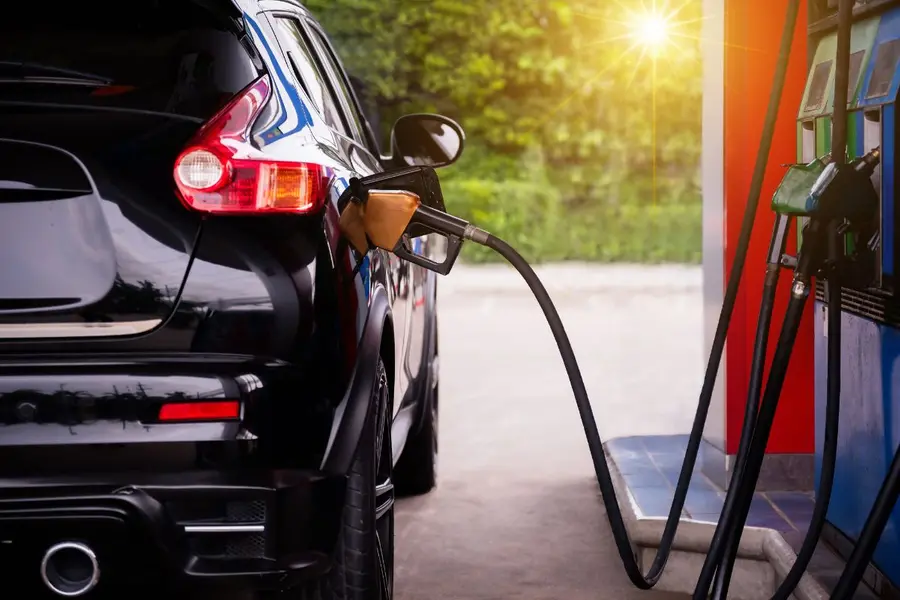
Petrol and diesel prices in India’s major cities remain largely stable on today (Tuesday, January 6), with minor fluctuations in select areas. Analysts say strategic imports and global reserves are cushioning consumers from sudden hikes.
Petrol prices
Petrol prices in New Delhi stood at ₹94.77 per litre, unchanged from the previous day. In Kolkata, the rate fell slightly by four paise to ₹105.41, while Mumbai recorded no change at ₹103.54. Chennai saw a modest increase of 26 paise, bringing the rate to ₹101.06. Gurgaon and Noida recorded rates of ₹95.12 and ₹94.88 respectively, with Gurgaon dropping 35 paise and Noida rising three paise. Bangalore’s petrol price inched up by four paise to ₹102.96, while Bhubaneswar fell by 10 paise to ₹100.93. Chandigarh remained steady at ₹94.30, Hyderabad at ₹107.50, Jaipur at ₹104.72, and Lucknow dropped 17 paise to ₹94.52. Patna recorded the largest dip, down 64 paise to ₹105.47, while Thiruvananthapuram fell marginally by one paise to ₹107.48.
Diesel rates
Diesel rates showed minimal movement across metro cities. New Delhi and Kolkata both recorded no change, at ₹87.67 and ₹92.02 per litre respectively. Mumbai’s rate stayed at ₹90.03, while Chennai increased by 22 paise to ₹92.61. Gurgaon dropped 34 paise to ₹87.59, and Noida remained unchanged at ₹87.98. Bangalore’s diesel price stayed at ₹90.99, Bhubaneswar fell by nine paise to ₹92.51, and Chandigarh held steady at ₹82.45. Hyderabad remained at ₹95.70, Jaipur at ₹90.21, and Lucknow declined by 20 paise to ₹87.61. Patna saw the largest fall of 61 paise to ₹91.71, while Thiruvananthapuram remained unchanged at ₹96.48.
Venezuela and global crude: A potential shock
India’s fuel prices are being influenced by global geopolitical developments, particularly the recent US military intervention in Venezuela. Experts warn that disruptions to Venezuelan crude could push Brent crude towards $65 per barrel, affecting Indian refineries calibrated for Venezuelan oil.
Despite these risks, an immediate price hike is unlikely. Nearly half of India’s crude imports now come from discounted Russian oil, offering a significant cushion. Additionally, a global surplus of 1.3 billion barrels stored at sea acts as a safety net, preventing sudden spikes in retail prices.
Indian oil marketing companies operate a 15-day price averaging cycle, meaning global volatility does not instantly affect pump rates. If Venezuela restores production to 2 million barrels daily, global energy costs may ease further, providing relief for Indian consumers.
Published: 06 Jan 2026, 08:35 am IST
Disclaimer: Kindly avoid objectionable, derogatory, unlawful and lewd comments, while responding to reports. Such comments are punishable under cyber laws. Please keep away from personal attacks. The opinions expressed here are the personal opinions of readers and not that of Mathrubhumi.
