
The 2008 global financial crisis was triggered by the collapse of the US housing bubble, with the failure of mortgage-backed securities causing the collapse of lenders and a severe credit crunch that caused the deepest economic downturn since the 1930s Great Depression.
Paris, France: The war in the Middle East is unlikely to trigger a collapse of the world economy on the scale of the 2008 global financial crisis, Nobel prize-winning economist Philippe Aghion said Monday.
"If the war lasts longer than several weeks, if the price of oil shoots higher than $150 per barrel and we see inflation pick up a lot, then we'll see a situation similar to the 1973 oil shock," Aghion said on RTL radio.
An oil embargo by Arab members of the OPEC oil cartel on nations supporting Israel in the 1973 Yom Kippur war caused prices to shoot dramatically higher, causing a surge in inflation and economic stagnation.
Such a shock would require a coordinated policy response from European countries, the United States and other developed countries, he said.
Also read | Dubai property stocks tumble 20 per cent; what it means for investors
G7 finance ministers are expected to discuss a possible release of strategic oil reserves on Monday to calm markets after oil prices briefly shot more than 30 per cent higher.
"A prolonged, widening conflict will reduce global growth," said Aghion, who shared the 2025 Nobel prize in economics for his work on sustained growth through creative destruction.
"I see a possible slowdown" but "I don't see a collapse. I don't see anything like the 2008 financial crisis, for example," he said.
The 2008 global financial crisis was triggered by the collapse of the US housing bubble, with the failure of mortgage-backed securities causing the collapse of lenders and a severe credit crunch that caused the deepest economic downturn since the 1930s Great Depression.
Also read | Check petrol, diesel rates today; know why crude oil price above $100 a barrel concerns India
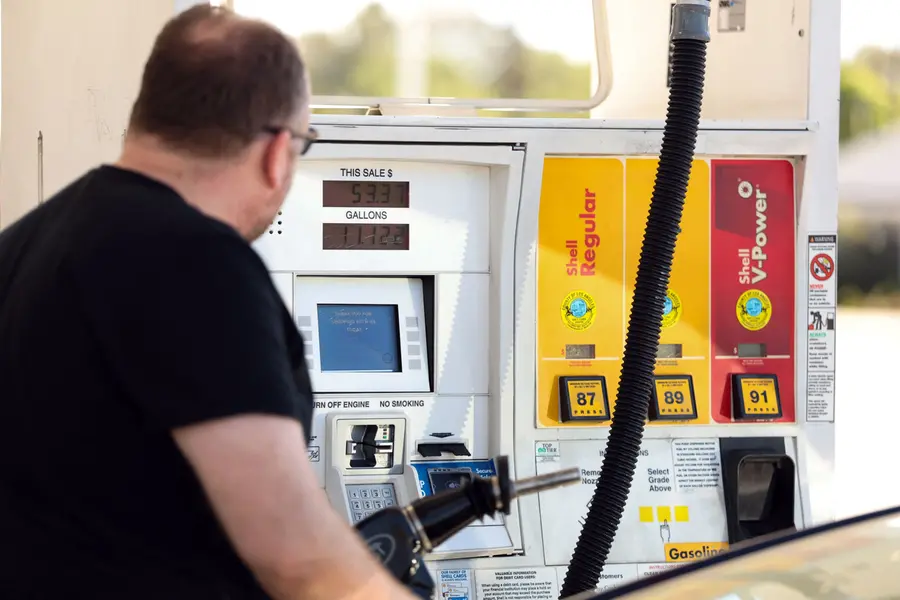
Meanwhile, stock markets shuddered worldwide on Monday amid worries about whether the global economy can withstand spiking prices for oil, which briefly got to nearly $120 per barrel, their highest level since four summers ago.
The S&P 500 fell 1.3%, coming off its worst week since October. The Dow Jones Industrial Average was down 721 points, or 1.5%, as of 9:35 a.m. Eastern time, and the Nasdaq composite was 1.2% lower. That followed even worse losses in European and Asian stock markets.
Since the war with Iran began with attacks by the United States and Israel, the central worry for financial markets has been how high oil prices will go because of it and how long they will stay there. Early Monday, the price for a barrel of Brent crude, the international standard, briefly touched $119.50. It hasn’t been that expensive since the summer after Russia invaded Ukraine in 2022, another military conflict that likewise raised the risk for blockages in the global flow of oil.
If oil prices stay very high for very long, households’ budgets that are already stretched by high inflation could break under the pressure. Companies, meanwhile, would see their own bills jump for fuel and to stock items on their store shelves or in their data warehouses. It all raises the possibility of a worst-case scenario for the global economy, “stagflation,” where growth stagnates, and inflation remains high.
Published: 09 Mar 2026, 08:10 pm IST
Related Topics
Disclaimer: Kindly avoid objectionable, derogatory, unlawful and lewd comments, while responding to reports. Such comments are punishable under cyber laws. Please keep away from personal attacks. The opinions expressed here are the personal opinions of readers and not that of Mathrubhumi.
